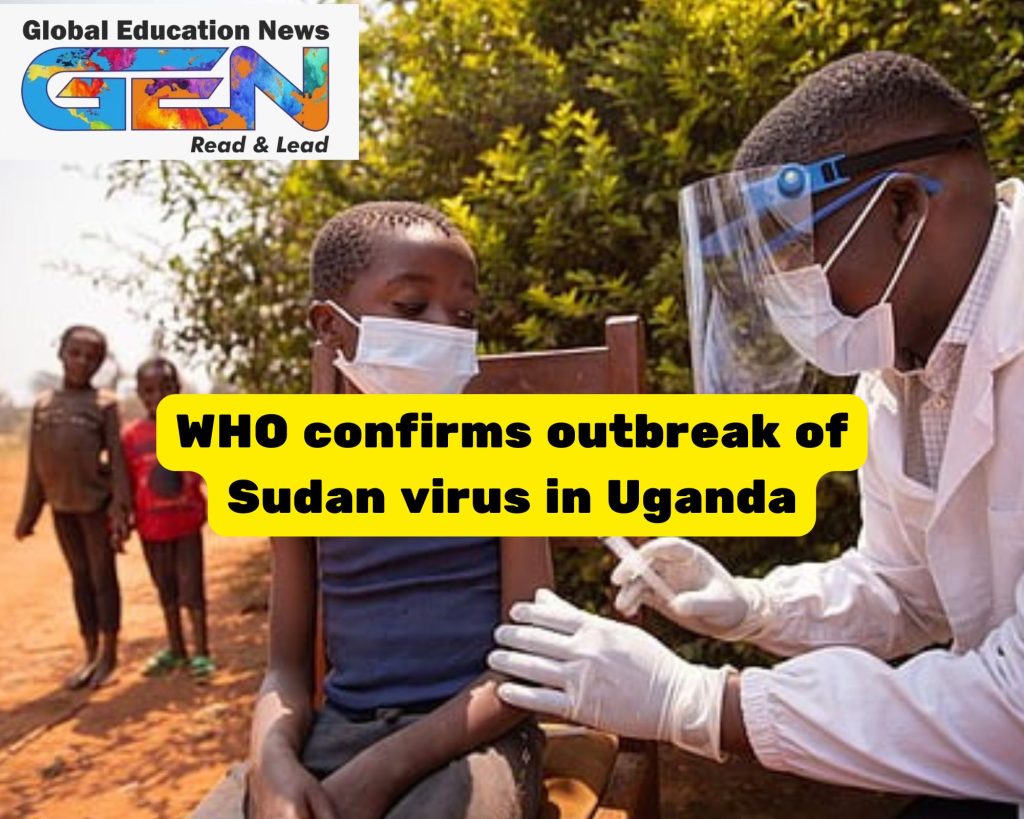
WHO Confirms Sudan Virus Disease Outbreak in Uganda as Challenges in Controlling Viral Infections Persist
The global health community is closely monitoring the recent outbreak of Sudan Virus Disease (SVD) in Uganda, confirmed by both the World Health Organization (WHO) and the Ugandan government. As of February 11, 2025, there have been nine confirmed cases, with the index case—a 32-year-old male nurse from Kampala—being the only reported death. This marks the ninth recorded outbreak of Sudan virus disease since its discovery in 1976, underscoring the ongoing challenges posed by viral diseases in today’s rapidly evolving world.
What is Sudan Virus Disease?
Sudan Virus Disease is a rare but highly fatal viral infection caused by the Sudan virus, which is a part of the Orthoebolavirus family, closely related to the Ebola virus. The disease was first identified in southern Sudan in 1976, and outbreaks have since been recorded intermittently in the African region.
Similar to Ebola virus disease (EVD), Sudan virus disease is known for its severe symptoms and high fatality rate. The index case in Uganda, a healthcare worker, indicates a continued risk for those working in medical settings where the virus may be transmitted. Although Sudan virus is transmitted in a manner similar to Ebola—through direct contact with bodily fluids or infected animals—there remains a significant lack of specific treatments or vaccines, making outbreaks particularly alarming.
Symptoms and Transmission of Sudan Virus Disease
Sudan virus disease is characterized by severe symptoms, which typically develop between 5-10 days after exposure to the virus. These symptoms include:
- High fever
- Severe fatigue
- Headaches
- Muscle and joint pain
- Abdominal pain
- Vomiting
- Diarrhea
- Bleeding (internal and external)
The virus is primarily transmitted through contact with infected bodily fluids (such as blood, vomit, or feces) or contaminated surfaces. Healthcare workers, as seen in Uganda, are at heightened risk due to their exposure to infected patients, especially in areas lacking adequate protective equipment.
While there are no specific antiviral treatments or vaccines available for Sudan virus disease, the focus of response efforts is on supportive care, such as maintaining hydration, managing symptoms, and preventing further transmission through strict isolation measures.
Challenges of Controlling Sudan Virus Disease Outbreaks
The lack of specific treatments or vaccines for Sudan virus disease makes controlling its outbreaks extremely difficult. In the absence of a vaccine, preventing the spread of the virus relies heavily on early detection, rapid isolation, and contact tracing.
In Uganda, authorities are working to contain the virus by tracing potential contacts of the confirmed cases, ensuring healthcare workers have adequate personal protective equipment (PPE), and educating the public about preventive measures. However, such measures can be challenging in areas with limited resources, and the high fatality rate of the virus makes any outbreak a public health emergency.
Furthermore, as the virus can spread rapidly in healthcare settings, efforts to ensure the protection of medical personnel and safe handling of patients are crucial to minimizing further infections.
Global Response and Preparedness
The World Health Organization (WHO) has been working closely with the Ugandan government to address the outbreak, providing technical support, expertise, and guidance on containment efforts. Additionally, the Centers for Disease Control and Prevention (CDC) and other international health agencies have been mobilized to assist with case tracking and supply management.
While Sudan Virus Disease is rare, it serves as a stark reminder of the ongoing risks posed by emerging viral diseases, particularly in regions with limited healthcare infrastructure. The WHO’s involvement underscores the importance of global health cooperation in responding to viral outbreaks.
Impact on Uganda and the Global Health Community
The Sudan Virus Disease outbreak in Uganda highlights several pressing global health issues. First and foremost, it reveals the vulnerability of healthcare workers, who remain at high risk of contracting and spreading the disease. In addition, it calls attention to the gaps in preparedness for emerging infectious diseases in regions that frequently deal with viral outbreaks.
The outbreak also emphasizes the need for investment in research for vaccines and treatments, as the absence of specific medical interventions is a major challenge in managing Sudan virus disease effectively. Further research into the virus itself, its transmission dynamics, and vaccine development is essential for preventing future outbreaks.
Conclusion
The recent Sudan Virus Disease outbreak in Uganda serves as a critical reminder of the persistent threat of emerging infectious diseases and the vulnerability of healthcare systems, especially in regions with limited resources. The high fatality rate and the absence of specific treatments or vaccines pose significant challenges for containment. However, through international cooperation, early detection, and stringent containment measures, Uganda and the global community can continue to work together to control the spread of this dangerous virus and ensure that the lessons learned contribute to strengthening health systems worldwide.