In a significant policy move aimed at improving transparency and accountability in the education sector, the Maharashtra Government has announced that it will introduce a Bill to regulate private coaching classes during the next session of the State Legislature. The announcement was made by School Education Minister Dada Bhuse, while Higher and Technical Education Minister Chandrakant Patil highlighted that the implementation of the National Education Policy (NEP) 2020 is progressing with a strong emphasis on mother-tongue education, skill-based learning, research, and industry collaboration.
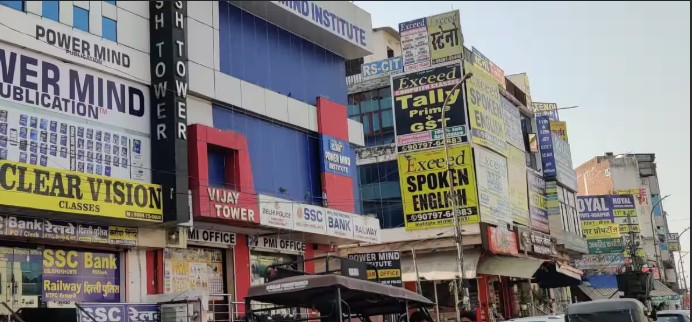
The proposed legislation comes at a time when the private coaching industry has expanded rapidly across India, prompting growing concerns about fee transparency, academic pressure, student welfare, and the increasing dependence of learners on coaching centres alongside formal schooling.
Why Maharashtra Wants to Regulate Private Coaching Classes
Private coaching institutes have become a parallel education system for millions of students preparing for:
- Board examinations
- Engineering entrance exams
- Medical entrance tests
- Competitive examinations
- Government recruitment exams
While many coaching institutes provide valuable academic support, concerns have also emerged regarding:
- High and non-transparent fees
- Misleading advertisements
- Academic stress among students
- Lack of standardised regulations
- Limited grievance redressal mechanisms
The proposed Bill seeks to establish a legal framework that promotes accountability while protecting the interests of students and parents.
Key Announcements by the Maharashtra Government
During the discussion in the State Assembly, ministers outlined several education initiatives.
Major Highlights
- A Bill regulating private coaching classes will be introduced in the next legislative session.
- The state has already implemented restrictions on fees charged by private schools.
- Recognition norms for schools have been revised, requiring:
- Minimum 30 students in urban areas.
- Minimum 20 students in rural areas.
- The government is strengthening implementation of NEP 2020 through structured reforms in schools, colleges, and universities.
How NEP 2020 Shapes Maharashtra’s Education Reforms
Alongside the proposed coaching regulation law, the government reiterated its commitment to implementing the National Education Policy (NEP) 2020.
According to Higher and Technical Education Minister Chandrakant Patil, the policy focuses on:
Mother-Tongue Education
Promoting learning in regional languages during the foundational years to improve conceptual understanding.
Skill-Based Learning
Making vocational and practical education an essential component of school and higher education.
Experiential Learning
Students are expected to gain practical knowledge and industry exposure before completing their education.
Research and Innovation
Educational institutions are being encouraged to strengthen research through financial incentives and institutional support.
Industry Partnerships to Improve Employability
The Maharashtra Government also announced that it is signing agreements with industries to provide students with:
- Hands-on training
- Practical learning opportunities
- Internship exposure
- Industry-oriented skill development
The objective is to bridge the gap between classroom education and workplace requirements, improving graduate employability in line with NEP 2020.
Navi Mumbai EduCity: A Global Higher Education Hub
Another major announcement relates to the proposed EduCity in Navi Mumbai.
According to the government:
- Around 50 globally top-ranked universities are expected to establish campuses in the project.
- Land is being allocated to facilitate international participation.
- The initiative aims to transform Maharashtra into a global destination for higher education, research, and innovation.
Why Regulating Coaching Institutes Matters
The coaching industry has expanded rapidly over the past decade due to increasing competition in entrance examinations.
Experts believe regulation can provide several benefits.
Greater Transparency
Clear rules regarding admissions, fee structures, refunds, and disclosures can improve accountability.
Student Protection
Regulation can help safeguard students against misleading claims and unfair practices.
Standardised Operations
Minimum operational standards can improve the quality of coaching services.
Better Grievance Redressal
A legal framework may provide students and parents with formal mechanisms to address complaints.
National Trend Towards Coaching Regulation
Maharashtra’s move reflects a broader national trend.
The Government of India has previously issued guidelines encouraging states to regulate coaching centres by addressing issues such as student welfare, safety, transparency, and ethical practices.
Several states have also begun considering or implementing measures to strengthen oversight of the coaching sector in response to rising enrolment and increasing public concern over academic pressure.
Challenges in Implementing the Proposed Law
While the proposal has been widely discussed, effective implementation will require addressing several challenges.
Defining the Scope
The law will need to clearly identify which coaching institutes fall under its jurisdiction.
Monitoring Compliance
Authorities must establish mechanisms to ensure institutions comply with regulatory requirements.
Balancing Regulation and Innovation
Rules should protect students without discouraging innovation or limiting academic flexibility.
Stakeholder Participation
Consultations with educators, coaching institutes, parents, and students will be important to create a balanced regulatory framework.
What This Means for Students and Parents
If enacted effectively, the legislation could benefit families by:
- Increasing transparency in coaching admissions.
- Improving fee accountability.
- Strengthening student welfare.
- Enhancing institutional credibility.
- Promoting responsible educational practices.
For students, the reforms could create a more structured and accountable learning environment alongside formal schooling.