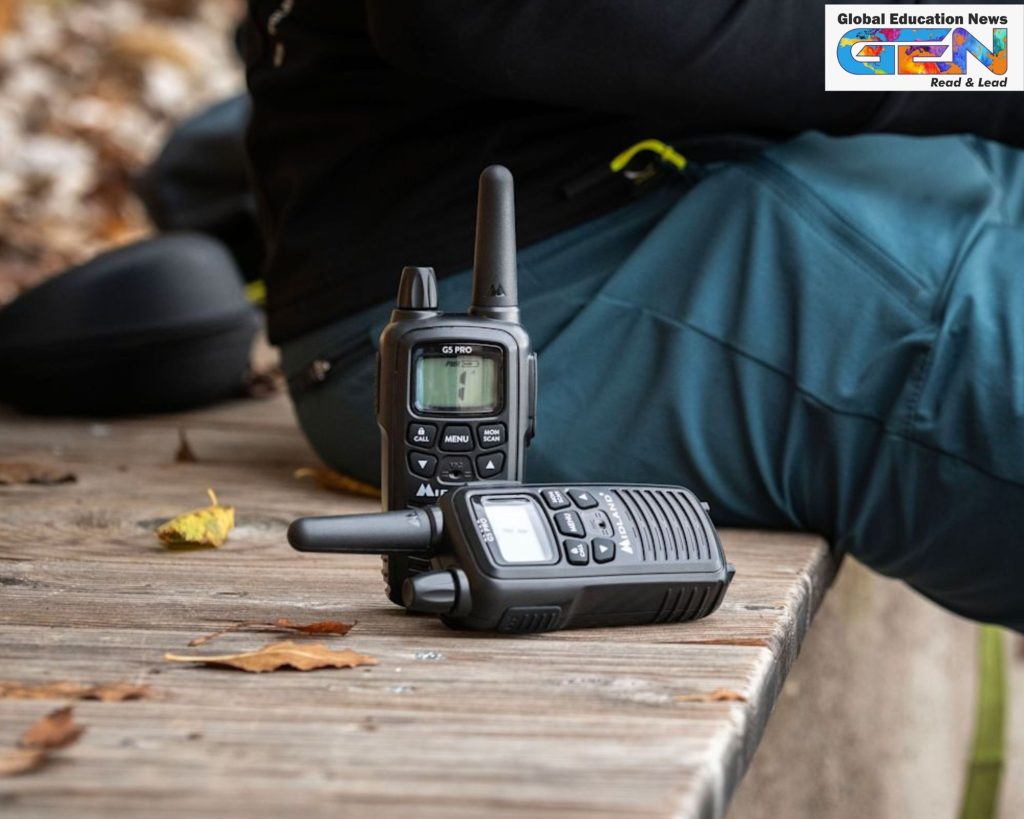
The Central Consumer Protection Authority (CCPA) has rolled out the Guidelines for the Prevention and Regulation of Illegal Listing and Sale of Radio Equipment, including Walkie-Talkies on E-Commerce Platforms, 2025, announced on May 30, 2025, to tackle the unauthorized sale of walkie-talkies online. Sparked by concerns over consumer deception and potential national security risks, these rules aim to ensure only compliant devices reach buyers. Here’s why this matters:
- Widespread Non-Compliance: Over 16,970 listings across platforms like Amazon, Flipkart, and Meesho lacked proper frequency or licensing disclosures.
- Security Threats: Unregulated devices can disrupt critical communications, including those used by law enforcement and emergency services.
- Consumer Misinformation: Listings without licensing details mislead buyers into believing walkie-talkies are freely usable.
- Regional Tensions: Heightened India-Pakistan border concerns, post-Pahalgam attack, amplify the need for regulation.
With 13 notices issued to major platforms, the CCPA is sending a clear message: non-compliance won’t be tolerated.
What’s New? Key Features of the 2025 Guidelines
The CCPA’s guidelines, developed with the Department of Telecommunications (DoT) and Ministry of Home Affairs (MHA), set strict standards for walkie-talkie sales. These rules ensure consumer safety and regulatory compliance. Key requirements include:
- Authorized Devices Only: Only walkie-talkies with Equipment Type Approval (ETA) from the Wireless Planning and Coordination (WPC) Wing can be listed.
- Clear Disclosures: Listings must specify frequency ranges, licensing requirements under the Indian Telegraph Act, 1885, and Wireless Telegraphy Act, 1933, and compliance with the 2018 Exemption Rules.
- No Non-Exempt Frequencies: Devices operating on restricted bands without authorization are banned.
- Proof of Compliance: Sellers must provide ETA certification and regulatory approval details.
These measures aim to eliminate misleading listings and protect buyers from legal risks.
E-Commerce Platforms’ New Responsibilities
E-commerce giants like Amazon, Flipkart, and Meesho face heightened accountability under the guidelines. The Consumer Protection (E-Commerce) Rules, 2020 mandate clear information for informed purchases, and the CCPA is enforcing compliance. Here’s what platforms must do:
- Due Diligence: Verify seller credentials and ensure devices meet WPC standards before listing.
- Prompt Takedowns: Remove non-compliant listings immediately, with automated monitoring systems to detect violations.
- Transparent Listings: Display frequency ranges, licensing obligations, and ETA details to avoid misleading consumers.
- Stakeholder Engagement: Platforms were sensitized in a May 3, 2025, consultation chaired by CCPA’s Nidhi Khare, urging proactive compliance.
Notably, 13,118 listings were delisted following CCPA’s initial notices, showing platforms like Amazon and Flipkart acting swiftly, though some, like Talk Pro and MaskMan Toys, lagged.
Consumer Protection and Penalties: What’s at Stake?
The guidelines prioritize consumer awareness and safety, ensuring buyers aren’t misled into purchasing illegal devices. Violators face strict consequences under the Consumer Protection Act, 2019. Key points include:
- No Misleading Ads: Advertisements implying unrestricted use of walkie-talkies are banned to prevent consumer deception.
- Penalties for Non-Compliance: Platforms and sellers face fines and liability for violating the Act.
- Consumer Empowerment: Clear disclosures about licensing and legal consequences help buyers make informed decisions.
- National Security Focus: Unregulated devices could be misused for covert communication, especially amid India-Pakistan tensions.
The CCPA’s actions build on past interventions, like removing 13,000 car seat belt alarm stopper listings, showing a consistent commitment to consumer rights.
Ongoing Monitoring: Keeping Platforms in Check
The CCPA isn’t stopping at guidelines. It’s implementing robust systems to ensure compliance:
- Automated Monitoring: Platforms must deploy tools to detect and remove unauthorized listings in real-time.
- Constant Oversight: The CCPA is actively monitoring platforms, with 16,970 non-compliant listings already flagged.
- Public Feedback: Draft guidelines were opened for public comments via the Department of Consumer Affairs website, ensuring transparency.
- Inter-Ministerial Coordination: Inputs from DoT and MHA strengthen the regulatory framework, addressing security concerns.
This proactive approach ensures e-commerce remains a safe, compliant space for consumers.
Why It Matters: Consumer Safety and National Security
The CCPA’s guidelines are a critical step toward protecting consumers and securing communication networks. By cracking down on illegal walkie-talkie sales, the initiative addresses:
- Consumer Risks: Buyers purchasing non-compliant devices face legal penalties for unauthorized use.
- Security Threats: Unregulated walkie-talkies can disrupt emergency services or be used for illicit activities, as seen in global cases like the Mossad operation involving explosive devices.
- Market Integrity: Ensures e-commerce platforms uphold their statutory obligations under the Consumer Protection Act.
With 467 listings on Amazon, 314 on Flipkart, 489 on Meesho, and 423 on TradeIndia flagged, the scale of the issue underscores the urgency of these rules.
How to Navigate the New Rules as a Consumer
Want to buy a walkie-talkie safely? Here’s how to stay compliant:
- Check Disclosures: Ensure listings specify frequency ranges, ETA certification, and licensing requirements.
- Verify Sellers: Purchase from verified sellers with clear regulatory approvals.
- Understand Licensing: Confirm if a wireless operating license is needed via the WPC Wing’s guidelines.
- Report Violations: Notify platforms or the CCPA about non-compliant listings to support enforcement.
Stay informed by checking updates on the Department of Consumer Affairs website or platforms like PIB India.
A Safer Digital Marketplace Awaits!
The CCPA’s 2025 guidelines for walkie-talkie sales mark a pivotal move to protect consumers and bolster national security. By mandating frequency disclosures, ETA certifications, and platform accountability, these rules ensure e-commerce platforms like Amazon and Flipkart prioritize compliance. With ongoing monitoring and strict penalties, the CCPA is transforming the digital marketplace into a safer, more transparent space.