Published on November 02 , 2025
Delhi, India
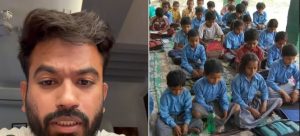
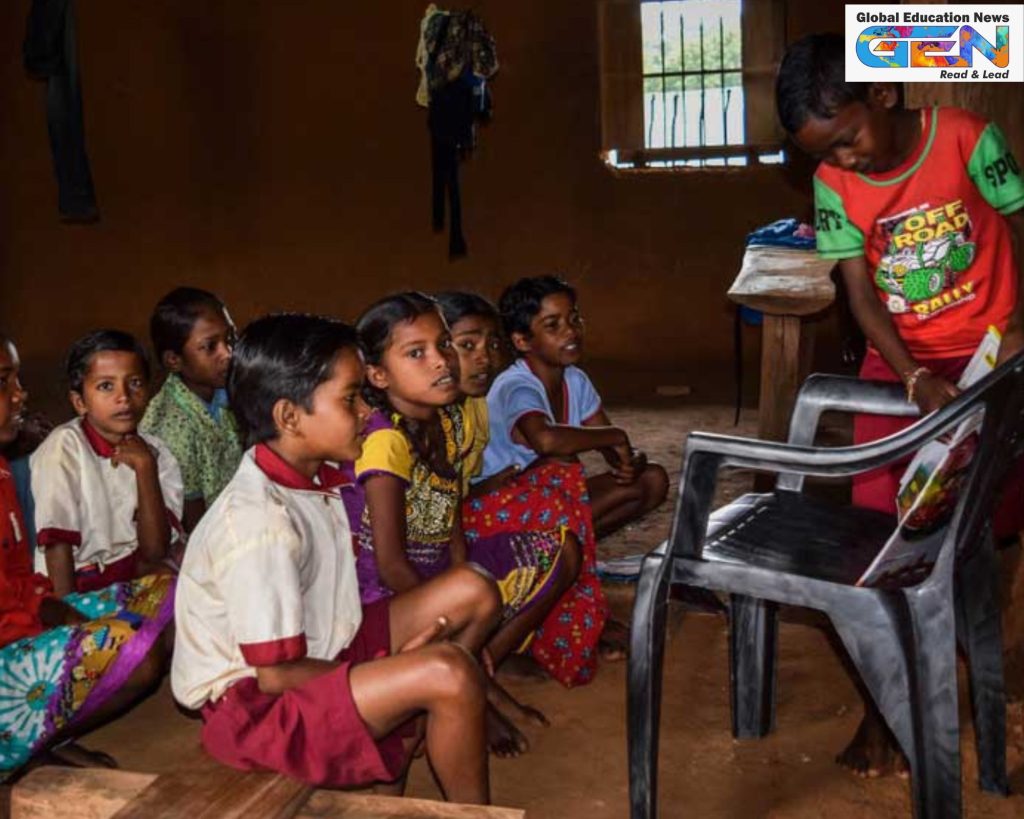
In the lush, mist-shrouded hills of Odisha’s tribal heartlands, where ancient forests whisper stories of resilience, a silent crisis unfolds. Schools—once beacons of hope for indigenous communities—are shuttering their doors, leaving a trail of broken futures. As Odisha school closures sweep through remote villages, tribal education challenges intensify, fueling a alarming rise in school dropouts in India. This isn’t just a policy footnote; it’s a human story of children forced into labor, early marriages, and lost opportunities. Drawing from ground reports and expert insights, let’s peel back the layers of this educational emergency and spotlight paths to revival.
The Alarming Scale: Waves of Closures Hitting Hardest at the Vulnerable
Odisha, home to over 60 tribal groups including Particularly Vulnerable Tribal Groups (PVTGs) like the Juang and Paudi Bhuyan, has seen hundreds of primary schools merged or closed in recent years. Under the Samagra Shiksha Abhiyan, a central scheme aimed at consolidating low-enrollment institutions, more than 5,000 single-teacher schools have vanished since 2020. In districts like Mayurbhanj and Kandhamal—tribal strongholds—the fallout is stark.
- Enrollment Plunge: Over 1.5 lakh children, mostly from Scheduled Tribes (STs), have dropped out post-closures, per state education department data. In Koraput alone, 20% of tribal kids aged 6-14 are now out of school.
- Geographic Isolation: Many affected schools were the only ones within 5-10 km in hilly terrains, where rivers swell during monsoons and roads turn to mud. Mergers mean treks of 15+ km, often barefoot, deterring attendance.
- Gender Disparity: Girls bear the brunt, with dropout rates 25% higher among tribal females, pushing them toward household chores or child marriages as young as 13.
These rural school closures in India aren’t unique to Odisha but hit tribal belts hardest, where literacy hovers at 52%—far below the national 77%. Imagine a 10-year-old Juang girl, Sita, trading her ABCs for firewood collection. Her story, echoed in villages across the state, underscores how policy meets poverty head-on.
Root Causes: Policy Paradoxes and Systemic Gaps
Why are these closures happening? It’s a mix of well-intentioned reforms clashing with ground realities in tribal areas education India.
- Teacher Shortages: Over 40% of Odisha’s 70,000+ schools run with one teacher juggling 50-60 students across grades. Recruitment lags, with 10,000 vacancies unfilled, leading to “zero-enrollment” labels and shutdowns.
- Low Numbers Game: The merger policy targets schools with under 20 students, ignoring cultural barriers like language (tribal dialects vs. Odia medium) and seasonal migrations for work.
- Funding Fumbles: While ₹2,000 crore flows annually via schemes like Mid-Day Meal and RTE Act implementation, much gets lost in urban biases. Remote PVTG hamlets receive just 60% of allocated transport aid for merged schooling.
Experts from NGOs like ActionAid and Pratham highlight a deeper issue: top-down decisions without community input. “Closures save costs but cost futures,” notes a child rights advocate. In contrast, successful models in neighboring Chhattisgarh show community-run schools boosting retention by 30% through local hiring.
| Factor | Impact on Tribal Kids | Stats Snapshot |
|---|---|---|
| Distance to New Schools | 10-20 km hikes daily | 35% dropout spike |
| Teacher Vacancies | Multi-grade overload | 45% schools affected |
| Cultural Mismatch | Language barriers | 28% attendance drop |
| Economic Pressures | Child labor pull | 1 in 5 kids working |
Voices from the Ground: Stories That Demand Action
Behind the numbers are raw narratives. In a Mayurbhanj ashram school, 12-year-old Ranga, a Santhal boy, recalls: “Our school closed last monsoon. Now I walk 12 km or stay home herding goats.” His dream of becoming a doctor? Fading like the evening mist.
Mothers in Kandhamal form self-help groups, pooling funds for private tutors, but it’s a band-aid. “We want schools in our villages, not promises,” says one. Meanwhile, early marriages surge—Odisha reports 1,200 cases yearly among tribal teens, linked directly to educational voids.
Yet, glimmers of hope emerge. Initiatives like the Biju Kishan Kalyan Yojana provide scholarships, while mobile libraries in Keonjhar reach 5,000 kids monthly. Community radio in tribal dialects disseminates lessons, cutting dropout risks by 15%.
Charting a Way Forward: Reviving Education in Odisha’s Tribal Belt
To stem the tide of child dropouts Odisha, bold, localized strategies are key:
- Decentralized Hiring: Recruit 5,000 tribal teachers annually, trained in mother-tongue pedagogy, to revive single-teacher models.
- Infra Boost: Invest ₹500 crore in hostels and e-learning kiosks, ensuring 100% coverage in PVTG areas by 2027.
- Monitoring Overhaul: Use apps like Shiksha Setu for real-time attendance tracking, with community audits to prevent arbitrary closures.
- Holistic Support: Integrate nutrition, health camps, and anti-child labor drives under POSHAN Abhiyaan, targeting 90% retention.
If implemented, these could slash dropouts by 40% in five years, per UNESCO projections for similar regions. Odisha’s government has pledged reviews in its 2025-26 budget—now’s the time for accountability.