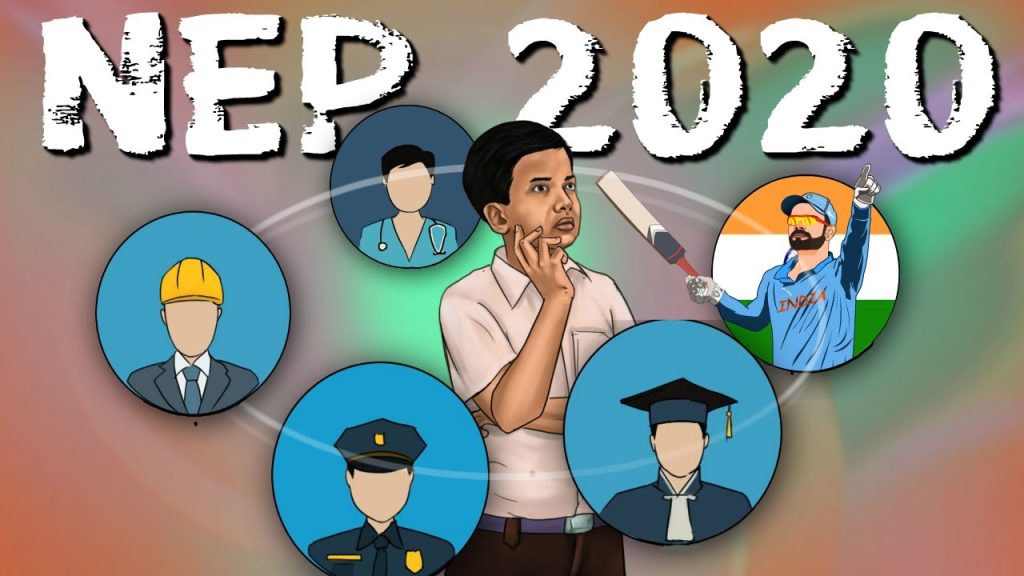
The National Education Policy (NEP) 2020 introduced one of India’s most ambitious reforms in higher education: a flexible, choice-based, four-year undergraduate programme with multiple exit options and emphasis on research, depth and multidisciplinary learning. However, as the policy moves from paper to practice, its undergraduate segment is facing friction, confusion and implementation gaps across universities — prompting students, educators and experts to question the readiness of institutions to deliver on NEP’s promises.
📌 1. NEP’s Undergraduate Vision: What It Promised
Under NEP 2020, the undergraduate curriculum underwent two major proposed changes:
- Shift from a 3-year to a 4-year degree structure with built-in multiple exit options — Certificate (after one year), Diploma (after two), Bachelor’s (after three), and Honours/Research (after four).
- The final year was designed to be research-intensive and multidisciplinary, boosting employability and alignment with international education systems.
This model was envisioned to provide greater flexibility, depth, and choice for students and inject quality research, inter-disciplinary learning, and global alignment into Indian higher education.
⚠️ 2. Implementation Chaos: Why Problems Are Emerging
Even though the policy outlines a forward-looking UG framework, its implementation across universities — particularly central and state institutions — has been uneven and problematic.
a) Unclear Guidelines and Frequent Mid-Course Changes
In many universities such as Delhi University, the fourth-year component has been launched without clear, stable guidelines. Students who chose the research track were later informed of changes like higher CGPA requirements mid-session, causing confusion and unfair pressure.
b) Infrastructure & Faculty Shortages
Most campuses were not prepared for the sudden shift. Teachers and departments lack training, time and manpower to supervise more research projects, electives and skill-based modules, leading to rushed or inconsistent implementation.
c) Low Acceptance in Student Communities
In several institutions, including Devi Ahilya Vishwavidyalaya, only a small percentage of students opt for the fourth year because it doesn’t provide clear benefits for students targeting professional courses (MBA, LLB, BEd) whose timelines don’t shorten with an extra year of study.
🎓 3. Student Experience and Academic Uncertainty
Students who chose the 4th year seeking research exposure, international opportunities or deeper academic rigor now face:
✔ Frequent rule changes and shifting criteria
✔ Lack of faculty or mentorship for research projects
✔ Variable options across colleges even within the same university
✔ Additional coursework without clear assessment guidelines
Many feel that the promises on paper — like research projects, internships and multidisciplinary electives — aren’t backed by ground-level resources or timelines, creating stress and ambiguity.
🧩 4. Structural & Policy Gaps Behind the Chaos
Experts and educators point to systemic issues rather than isolated institutional challenges:
a) Policy vs. Ground Readiness
NEP’s revolutionary ideas were launched before institutions were ready with infrastructure, training, and clear execution pathways.
b) Funding and Capacity Constraints
Without increased funding to support new curricula, teacher upskilling, research labs, and digital resources, universities struggle to deliver the envisioned NEP learning model.
c) Coordination Between Central and States
Since education in India is both a central and state subject, colleges in different regions have implemented the NEP differently — leading to disparities in student experiences.
📊 5. Broader Impact on India’s Higher Education
Mixed Reactions Across the Education Ecosystem
- Some praise NEP’s flexibility and global alignment vision.
- Others criticize implementation slowdowns, lack of clarity and the logistical challenges of transitioning to a new structure mid-stream.
Quality vs. Quantity Concern
With classrooms expanding and faculty stretched, sticking to NEP’s ambitious goals has at times given way to a high workload with unclear outcomes for students and staff alike.
📌 6. What Needs to Happen Next
1) Clear and Stable Guidelines:
Universities need unified, transparent norms on courses, electives, research components and assessments.
2) Faculty Training & Resources:
Rapid capacity building for teachers and support staff to handle research supervision & flexible credits.
3) Informed Student Outreach:
Awareness campaigns to help students choose paths (3-year vs 4-year) aligned with careers.
4) Adequate Funding & Infrastructure:
Investment into labs, research facilities, internship platforms and academic counseling networks.