Published on October 8, 2025
Delhi, India
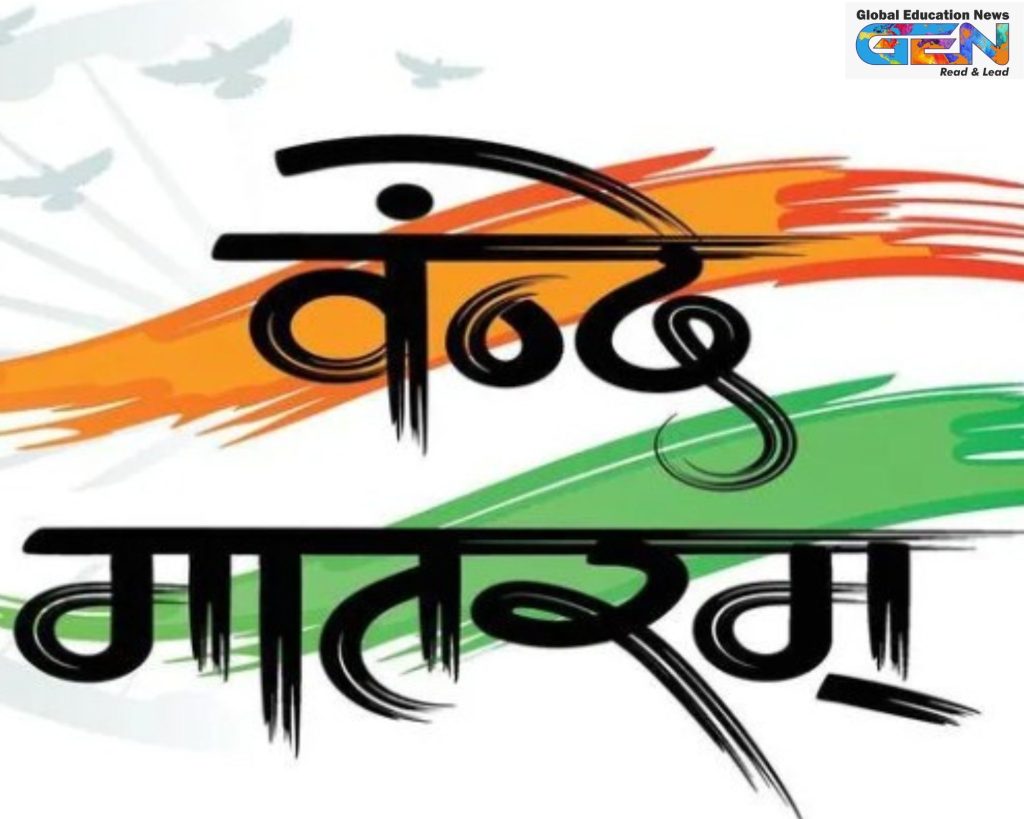
In the heart of India’s independence saga, where verses once rallied revolutionaries against colonial chains, the Union Cabinet has scripted a fitting encore: a pan-India extravaganza for the 150th anniversary of “Vande Mataram.” Composed in 1882 as a poetic ode to the motherland, this national song—equal in spirit to Jana Gana Mana—ignites cultural pride and historical reverence. As the government gears up for events spanning states and union territories, it’s a clarion call to rediscover the anthem that fueled freedom’s fire, blending education, commemoration, and unity in a multi-hued nation.
The Cabinet’s Patriotic Proclamation: Approval and Scope
A bold step to etch the song’s legacy into tomorrow, the decision spotlights its unbreakable bond with the freedom struggle.
- Official Greenlight: Union Cabinet endorses nationwide festivities to mark the sesquicentennial, elevating the song’s role in anti-colonial fervor.
- Geographic Sweep: Events, programs, and tributes to unfold across all states and union territories, ensuring no corner misses the melody.
- Milestone Marker: Ties directly to the song’s 1882 debut, projecting celebrations around 2032 as a beacon of national heritage.
- Governing Vibe: No rigid enforcement—honors voluntary respect, mirroring the Constitution’s nuanced nod to cultural symbols.
Verses of Valor: The Song’s Stirring Historical Tapestry
Born in the fires of 19th-century Bengal, “Vande Mataram” wasn’t just ink on paper—it was a battle cry that echoed through history’s halls.
- Creative Genesis: Penned in Sanskrit by Bankim Chandra Chatterjee, it first bloomed in his 1882 novel Anandamath, portraying the motherland as a divine, ten-armed Durga.
- Public Premiere: Rabindranath Tagore’s soulful rendition at the 1896 Indian National Congress session catapulted it to national fame, igniting protests and pens alike.
- Freedom’s Anthem: United diverse tongues and tribes, serving as a chant for movements from Swadeshi to Quit India, transcending regions in its call for liberty.
- Literary Legacy: Infused nationalist literature, fostering a civilizational swell that bridged linguistic divides with poetic power.
Celebration Symphony: Blueprint for a Year-Long Resonance
From schoolrooms to stadia, the festivities promise a mosaic of melodies, education, and emotion to rekindle the song’s spirit.
- Event Ensemble: A cascade of public commemorations, cultural shows, and interactive sessions to evoke the era’s revolutionary zeal.
- Educational Echoes: Programs tailored for youth, weaving the song’s history into curricula to nurture patriotism and cultural depth.
- Inclusivity Imperative: Adaptations for diverse audiences, often limiting recitals to the first two stanzas to honor religious sensitivities in a plural tapestry.
- Regional Resonance: Addresses past debates, like Assam’s preference for local anthems, by promoting harmony over hegemony.
Symbolic Status: Balancing Reverence and Pluralism
In India’s constitutional chorus, “Vande Mataram” shines as a voluntary vow, not a mandated march— a delicate dance of democracy.
- National Song Nod: Bestowed equal emblematic weight to Jana Gana Mana by the Constituent Assembly, yet unbound by Article 51A(a)’s anthem oath.
- Cultural Caution: Later stanzas’ vivid Hindu imagery sparks sensitivities, prompting selective use to embrace all faiths in unity’s embrace.
- Historical Hurdles: Faced resistance in regions like Assam, birthing state-specific songs— a reminder of India’s vibrant vocal variety.
- Enduring Essence: Stands as a voluntary emblem of emotional allegiance, fueling pride without prescription.