Published on October 23 , 2025
Delhi, India
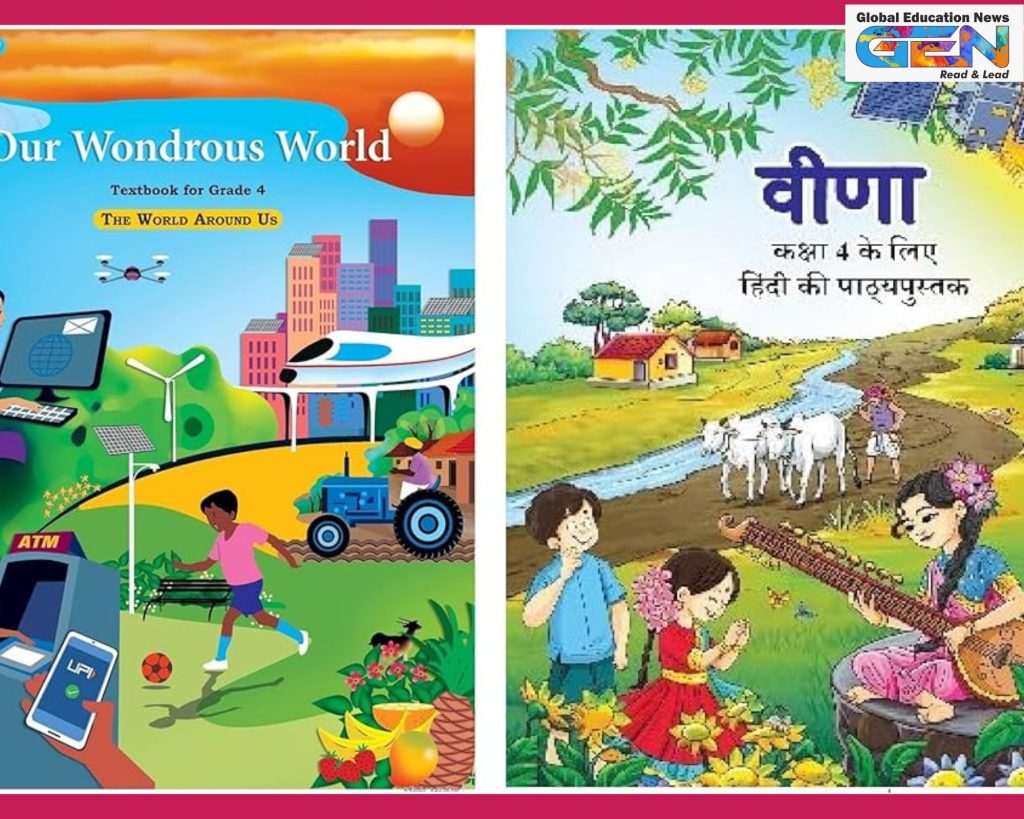
Uttar Pradesh’s Basic Education Department is set to revolutionize primary schooling by introducing National Council of Educational Research and Training (NCERT) textbooks for over 1 lakh Class 4 students in government-run primary schools starting the 2026-27 academic session. This phased rollout—building on NCERT adoptions for Classes 1-3—customizes national standards to local contexts, aligning with the National Education Policy (NEP) 2020’s emphasis on holistic, activity-based learning. With a tender floated for free printing and distribution, the move promises reduced content overload, integrated regional relevance, and better foundational skills. Amid investments in 7,409 smart classrooms and 4,686 ICT labs over the past two years, challenges like teacher reluctance to digital tools persist. This guide details the reforms, benefits, and preparation strategies, empowering parents and educators to support this curriculum shift for brighter student futures.
Background: Phased NCERT Adoption in Uttar Pradesh Government Schools
Uttar Pradesh’s journey toward NCERT integration began as a response to NEP 2020, aiming to standardize quality while preserving state identity—delayed initially by COVID-19 but now accelerating for foundational years.
- Historical Rollout: Classes 1-2 adopted NCERT in prior sessions; Class 3 in 2025-26; Class 4 targeted for 2026-27, with potential extensions to Classes 5-8 by 2027-28.
- Policy Drivers: Enhances conceptual understanding over rote learning; addresses low learning outcomes in primary education, where UP ranks mid-tier nationally in foundational literacy and numeracy (per ASER 2024 reports).
- Investment Scale: Over Rs 2,000 crore allocated for textbooks and digital upgrades since 2023; free distribution ensures equity for 75 lakh+ primary students statewide.
- Customization Process: State experts from the State Institute of Education, English Language Teaching Institute, and State Hindi Institute adapt content—e.g., incorporating UP’s cultural motifs—before NCERT approval.
- Broader Context: Complements initiatives like Operation Kayakalp for school infrastructure; ties into national goals, with UP leading in NEP-aligned reforms among populous states.
Key Details: Subjects, Books, and Implementation for Class 4
The 2026-27 session focuses on core subjects with activity-rich, reduced-content books, ensuring free access before April 1, 2026.
- Target Reach: Over 1 lakh Class 4 students in ~1.2 lakh government primary schools; bilingual (Hindi/Urdu/English medium) options.
- Subject-Wise Books: Aligned with NEP’s multidisciplinary approach, emphasizing play-based learning.
- Hindi: Veena (with workbook for comprehension exercises).
- English: Santoor (focus on phonetics and storytelling).
- Mathematics: Ganit Mela (interactive puzzles and real-life applications).
- Environmental Studies: Hamara Adbhut Sansar (exploring local ecosystems).
- Sanskrit: Sanskrit Sudha (cultural integration).
- Art Education: Bansuri (creative expression modules).
- Urdu: Riyazi (for minority language support).
- Timeline: Tender for printing/supply issued October 2025; books ready by March 2026; teacher orientation workshops in January.
- Assessment Shift: Includes 20% internal evaluations; bridge courses for Class 3 transition to ease syllabus gaps.
| Subject | Book Title | Key Features | Workbook Included? |
|---|---|---|---|
| Hindi | Veena | Poems, stories with moral lessons | Yes |
| English | Santoor | Vocabulary builders, dialogues | Yes |
| Mathematics | Ganit Mela | Visual aids, problem-solving games | Yes |
| EVS | Hamara Adbhut Sansar | Nature walks, pollution awareness | Yes |
| Sanskrit | Sanskrit Sudha | Basic grammar, folklore | Yes |
| Art | Bansuri | Drawing, craft projects | No |
| Urdu | Riyazi | Bilingual math concepts | Yes |
Benefits: Elevating Learning Outcomes and Equity in UP Primary Education
This initiative promises foundational gains, reducing stress and fostering inclusivity for diverse learners.
- Curriculum Enhancements: 20% content reduction promotes deeper understanding; activity-based modules cut rote memorization by 30%, per NCERT pilots.
- Equity Boost: Free books eliminate costs (Rs 500-800/family annually); regional customization includes UP-specific chapters on festivals and history.
- Digital Synergy: Supports 570 new digital libraries; smart classrooms enable hybrid lessons, potentially raising enrollment by 5-7% in rural areas.
- Long-Term Impact: Aligns with SDG 4; early NCERT exposure improves transition to upper primary, with projected 10-15% rise in Class 5 proficiency scores.
- Holistic Development: Integrates life skills like environmental awareness; girls’ enrollment (48% in primaries) benefits from stress-free formats.
Challenges: Teacher Reluctance and Infrastructure Gaps
While promising, implementation hurdles like digital adoption and resource distribution need vigilant oversight.
- Teacher Resistance: Surveys show 40% reluctance to ICT tools; preference for traditional blackboard methods underutilizes 60% of smart setups.
- Logistical Hurdles: Printing delays in past phases affected 10% schools; rural delivery chains vulnerable to monsoons.
- Training Needs: Only 25% teachers trained in NEP-aligned pedagogy; gender gaps in tech-savvy faculty (women at 35%).
- Monitoring Mechanisms: Director Monika Rani’s directive identifies 10 low-usage schools per district for accountability reviews.
- Mitigation Plans: Quarterly audits; incentives for digital integration; partnerships with NGOs for rural training.
Official Statements and Future Roadmap
Leaders emphasize accountability and expansion, viewing this as a cornerstone of UP’s education renaissance.
- Key Quotes:
- Monika Rani, Director of School Education: “Significant public funds have been invested for students’ benefit—headmasters must explain non-compliance with digital tools.”
- Education Minister: “NCERT adoption will bridge urban-rural gaps, preparing our children for a competitive world.”
- Future Plans: Extend to Class 5 by 2027; Ayurveda modules in health education via NCERT-UGC collaboration; full digital audit by 2027.
- Related Initiatives: KPS upgrades in 800 schools; bridge courses for 2025-26 transitions.