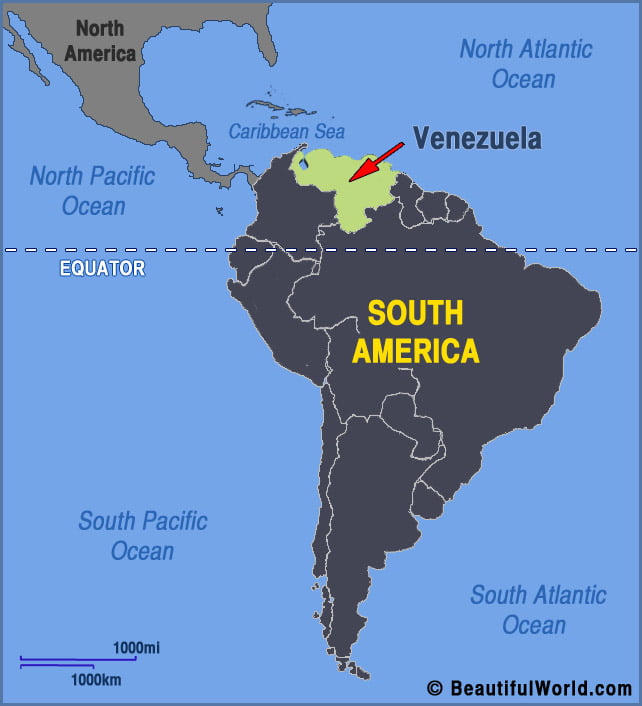
The early hours of January 3, 2026, shattered the fragile calm in Caracas with the roar of US airstrikes—a lightning operation that ended with Venezuelan President Nicolás Maduro in custody, flown to New York for what Trump called “justice for the oppressed.” In a televised address from the White House, the US President hailed it as a “decisive victory against tyranny,” codenaming the raid “Operation Liberty Dawn.” As the world reels from this audacious escalation—sparked by Maduro’s disputed 2024 re-election and US accusations of election fraud—the move has ignited fears of a new Latin American flashpoint. Yet, for India, the direct sting is muted: With Venezuelan oil imports at a mere 0.5% of total needs, the economic tremor is a whisper. But beneath the surface, opportunities lurk—debt recovery and stabilized global prices. This analysis timelines the strikes, unpacks US strategy, gauges global backlash, and zooms in on India’s insulated yet opportunistic stance, revealing how a Caracas coup could quietly reshape New Delhi’s energy chessboard.
The Strikes Unfold: A Night of Precision and Power Plays
What began as whispers of US buildup in the Caribbean exploded into action under the cover of dawn. According to Pentagon briefings, F-35 jets from the USS Gerald R. Ford carrier group targeted key military installations in Caracas, including the Miraflores Palace and Fuerte Tiuna barracks. The operation, greenlit by Trump days after his January 1 inauguration vow to “end Maduro’s reign of terror,” lasted under 90 minutes, with special forces extracting Maduro and his wife, Cilia Flores, in a raid on their fortified residence.
- Timeline of Turmoil: Time (EST)EventDetails0200Airstrikes Launch12 precision missiles hit command centers; minimal civilian casualties reported.0230Ground Insertion SEAL Team 6 raids palace; Maduro captured amid brief firefight.0300ExtractionConvoy to Caracas airport; Black Hawks airlift to carrier.0400Trump Address “Maduro is in US custody—democracy prevails.”0500Venezuelan Response VP Diosdado Cabello declares “imperialist war”; loyalist clashes erupt.
US motives? Beyond election fraud claims, it’s a bid to unlock Venezuela’s 300 billion barrels of oil reserves—the world’s largest—amid Trump’s “energy dominance” agenda. As Rubio clarified: “We’re not at war— we’re freeing a nation.”
Immediate Fallout: Global Alarm Bells and Latin American Ripples
The strikes sent shockwaves, with UN Secretary-General António Guterres decrying a “unilateral violation of sovereignty.” Russia and China vowed support for Maduro’s interim regime, while Brazil’s Lula condemned the “coup by drone.” In Caracas, protests clashed with loyalists, claiming 20 lives by midday.
- Regional Reactions: Country Stance Quote Brazil Condemnation “Reckless aggression threatens peace.” – Lula Colombia Cautious Welcome “Hoping for stability, fearing chaos.” – Petro Cuba Outrage “Yankee imperialism redux.” – Diaz-Canel EU Divided Sanctions on US? “Premature.” – von der Leyen
Oil markets jittered—Brent crude spiked 5% to $85/barrel— but stabilized as US assured “no disruption to global supply.”
India’s Insulated Stance: Oil Trade Unaffected, But Opportunities Emerge
For India, the Venezuela volley is a distant drum: Imports from the OPEC outlier plummeted 81% in FY25 to $255 million (0.5% of total), down from $1.4 billion pre-2019 sanctions. GTRI’s analysis: “Negligible impact on energy security—Russia, UAE fill the void.”
- Economic Echoes: Sector Exposure Potential Gain Oil Imports Low (0.5%)Stable prices; $1B debt recovery via US access. Trade Volume$364M total (2024-25)Revived output could add $500M exports (pharma, gems). Remittances Minimal Indirect boost via stabilized Latin markets. Geopolitics Neutral BRICS ties with Maduro; US pivot aids Quad dynamics.
ET reports: “India’s diversified basket insulates from shocks; US control could revive stalled fields.” Yet, a Maduro fall might unlock joint ventures, netting India 10-15% of revived output.
Global Implications: A New Chapter in US-Latin Tensions?
Trump’s triumph tests Biden-era détente, risking a proxy war as Russia arms Caracas holdouts. For Europe, it’s energy jitters—Venezuela’s 1M bpd could ease Russian dependence. In Asia, China eyes its $60B loans, while India watches warily.
Conclusion: Maduro’s Fall, India’s Steady Sail
The January 3, 2026, US strikes on Venezuela—crowning Trump with Maduro’s capture—stir Latin cauldrons but barely ripple India’s oil pond. With minimal trade ties, New Delhi’s diversified deck shields it from storms, even as $1B dues dangle like a carrot. As Caracas calms, the real winner? A multipolar world where India plays the long game. For energy watchers, it’s a reminder: In global gambits, the house always hedges.