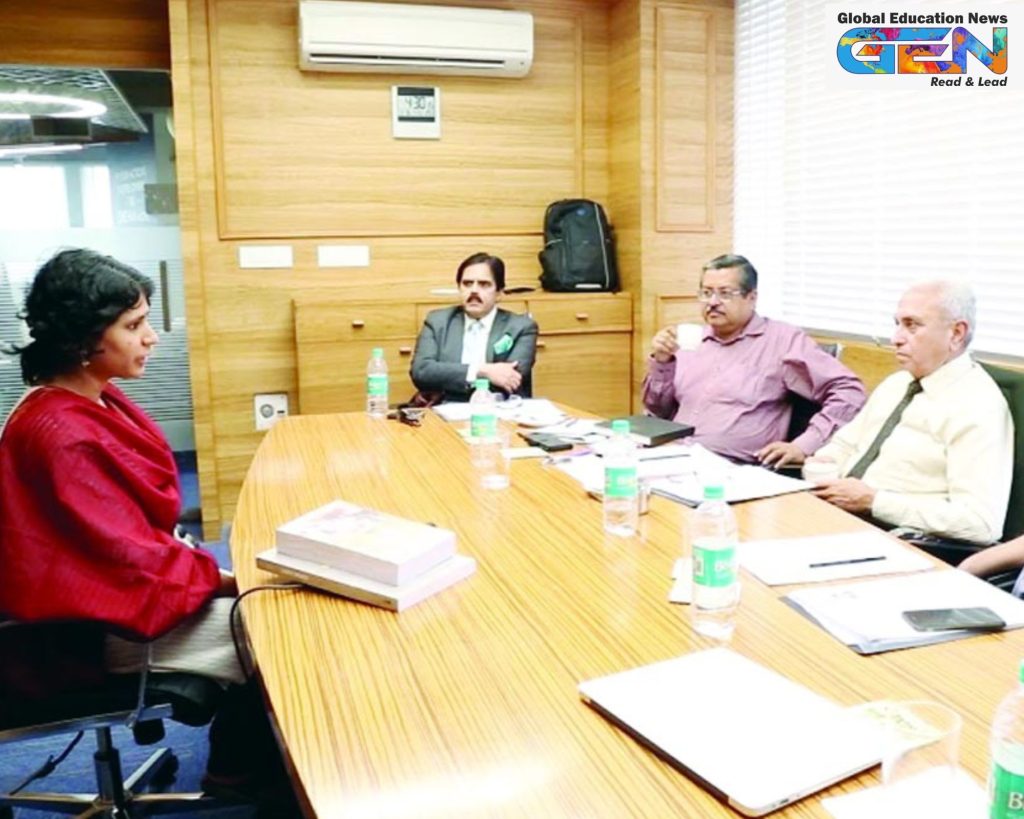
Imagine walking into Dholpur House, New Delhi, with years of preparation behind you, facing a panel of five strangers who hold the key to your dream career in India’s civil services. These UPSC interview panelists, calm and unreadable, assess your personality, intellect, and potential in just 30 minutes. But who are these evaluators? How are they chosen? And what makes them qualified to judge India’s future bureaucrats? This article pulls back the curtain on the UPSC interview process, revealing the diverse expertise and rigorous selection behind the panel that shapes the nation’s administrative backbone.
Key Points:
- UPSC interview panels evaluate candidates for IAS, IPS, IFS, and other civil services.
- Panels consist of a UPSC Member and four expert panelists, kept secret to ensure fairness.
- Designed to test administrative judgment, intellectual curiosity, and emotional resilience.
The Chairperson: Guardians of Meritocracy
At the helm of every UPSC interview board is a UPSC Member, appointed by the President of India under Article 316 of the Constitution. These individuals are not just seasoned professionals but stalwarts of public service, chosen for their integrity and expertise.
Key Features of the Chairperson:
- Diverse Backgrounds: Former IAS, IPS, IFS officers, judges, scientists, or academics with decades of experience.
- Role: Oversee the interview process, ensuring impartiality and alignment with UPSC’s meritocratic ethos.
- Selection Process: Handpicked by the President based on their professional track record and ability to uphold fairness.
Key Points:
- UPSC Members are the backbone of the interview process, ensuring high standards.
- Their diverse careers bring a broad perspective to candidate evaluation.
- Appointed by the President to maintain impartiality and integrity.
The Panelists: A Diverse Team of Experts
Supporting the chairperson are four expert panelists, carefully selected to create a balanced and rigorous evaluation process. These individuals are not permanent UPSC staff but are empaneled after a thorough vetting process to ensure expertise and neutrality.
Types of Panelists:
- Retired Civil Servants: Bring practical insights from their experience in administration, offering a “been there, done that” perspective.
- Academicians and Subject Experts: Test candidates’ depth in their optional subjects and theoretical clarity.
- Defense Personnel and Diplomats: Assess cross-disciplinary thinking, global awareness, and leadership potential.
- Professionals: Evaluate practical problem-solving and adaptability to real-world challenges.
Key Points:
- Panelists are chosen for their expertise, integrity, and ability to evaluate without bias.
- Diverse backgrounds ensure a comprehensive assessment of candidates’ skills.
- Empanelment involves rigorous vetting to maintain fairness.
The Secrecy Factor: Why the Panel’s Identity is Hidden
One of the defining features of the UPSC interview process is the secrecy surrounding the panel’s composition. Candidates, even those on their third or fourth attempt, never know who they’ll face until they enter the room. This deliberate anonymity serves a critical purpose.
Reasons for Secrecy:
- Prevents Bias: Eliminates the possibility of favoritism or external influence.
- Stops Question Leaks: Ensures questions remain unpredictable, testing genuine knowledge and composure.
- Levels the Playing Field: Every candidate faces the same impartial evaluation, regardless of prior attempts or connections.
Key Points:
- Secrecy ensures fairness and eliminates external influence.
- Candidates are judged solely on their performance in the interview room.
- Anonymity fosters a merit-based selection process.
What the Panel Looks For: Beyond Bookish Knowledge
The UPSC interview, or Personality Test, is not about memorized facts but about assessing a candidate’s suitability for civil services. The panel evaluates a mix of qualities essential for roles like IAS, IPS, and IFS.
Key Qualities Assessed:
- Administrative Judgment: Ability to make sound decisions under pressure.
- Intellectual Curiosity: Depth of knowledge and eagerness to learn.
- Moral Courage: Ethical stance and ability to handle complex dilemmas.
- Emotional Resilience: Composure and adaptability when faced with tough questions.
- Empathy and Humility: Understanding of societal issues and willingness to serve.
Evaluation Approach:
- A retired diplomat might probe your global outlook with questions on international affairs.
- An academic could challenge your understanding of your optional subject.
- The chairperson assesses your temperament and ability to stay calm under scrutiny.
Key Points:
- Panels test personality traits, not just academic knowledge.
- Diverse questions assess leadership, ethics, and problem-solving skills.
- The 30-minute interview acts as a “personality X-ray” for civil service readiness.
The Selection Process: Ensuring Fairness and Balance
The UPSC’s panel selection process is as rigorous as the exam itself, designed to uphold the commission’s reputation for fairness and transparency.
Selection Criteria:
- Professional Track Record: Panelists must have a distinguished career in public service, academia, or related fields.
- Integrity: A clean record free of controversies or biases.
- Evaluation Skills: Ability to assess candidates objectively and comprehensively.
- Diversity: Panels are deliberately diverse to cover multiple perspectives, from administration to academia.
Purpose of Diversity:
- Ensures no single perspective dominates the evaluation.
- Allows for a holistic assessment of candidates’ varied skills.
- Reflects the multifaceted demands of civil services roles.
Key Points:
- Rigorous vetting ensures panelists are impartial and qualified.
- Diverse panels provide a balanced evaluation of candidates.
- Selection process mirrors UPSC’s commitment to meritocracy.
Why It Matters: Shaping India’s Administrative Future
The UPSC interview panel is more than just a group of evaluators; it’s a gatekeeper for India’s civil services, tasked with selecting leaders who will shape the nation’s future. From addressing rural development to navigating global diplomacy, the chosen candidates must embody versatility, integrity, and resilience. The panel’s composition reflects this high-stakes responsibility, ensuring only the most capable individuals join the ranks of India’s bureaucracy.
Key Impacts:
- Panels identify leaders who can handle India’s complex administrative challenges.
- Fairness and secrecy ensure merit-based selection of civil servants.
- Diverse expertise prepares candidates for the multifaceted demands of public service.
Key Points:
- Panels are critical to selecting India’s future administrators.
- Their diversity and impartiality uphold UPSC’s meritocratic ethos.
- The process ensures candidates are ready for real-world challenges.
Tips for Aspirants: Facing the Panel with Confidence
Walking into the UPSC interview room can be daunting, but understanding the panel’s role can help you prepare effectively. Here are practical tips to ace the Personality Test:
Preparation Tips:
- Be Authentic: Panels value genuine responses over rehearsed answers. Show your true personality.
- Stay Calm: Practice composure under pressure, as panels test your emotional resilience.
- Broaden Your Perspective: Read widely on current affairs, national issues, and your optional subject to handle diverse questions.
- Reflect on Your DAF: Be prepared to discuss your Detailed Application Form (DAF), as panels often draw questions from it.
- Show Empathy and Ethics: Highlight your commitment to public service and ethical decision-making.
Key Points:
- Authenticity and composure are key to impressing the panel.
- Prepare for questions on your DAF and current affairs.
- Demonstrate empathy, ethics, and a service-oriented mindset.