Published on November 20, 2025
Delhi, India
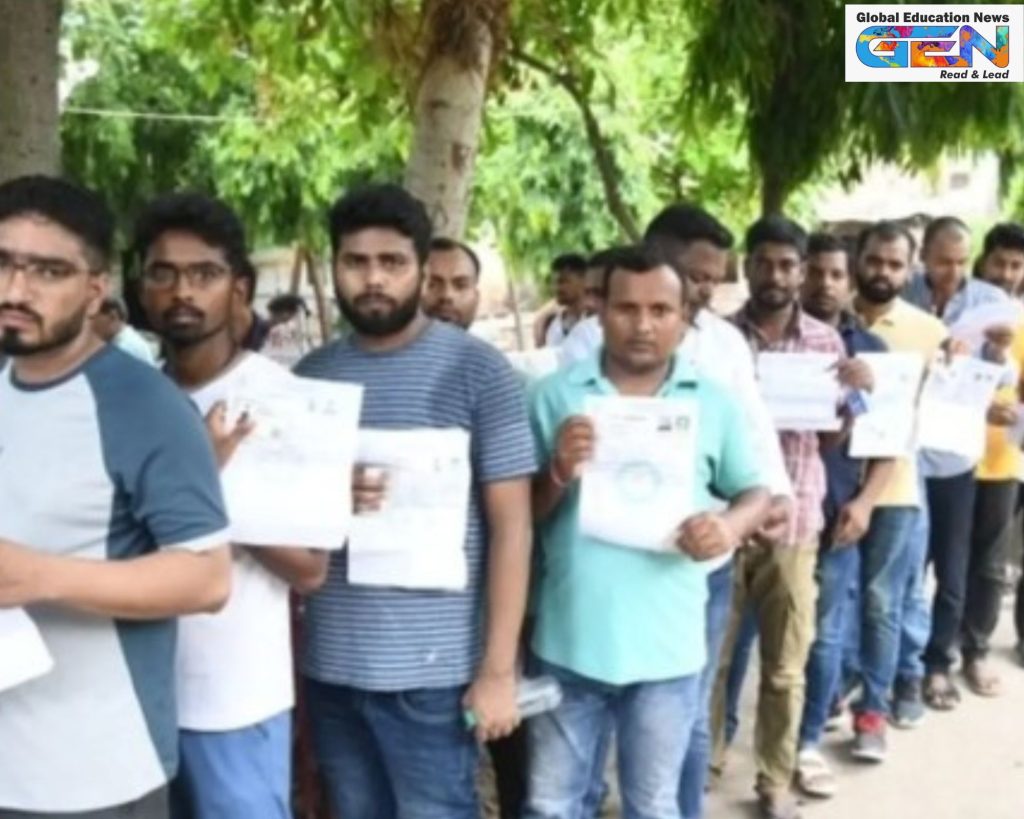
Just days after what many hoped was the final green light, the Uttar Pradesh Education Service Selection Commission (UPESSC) pulled the plug on the Trained Graduate Teacher (TGT) written exam, originally fixed for December 18 and 19, 2025—marking the fifth postponement in a recruitment drive that kicked off back in early 2022. This abrupt shift, announced via a terse notice on November 18, 2025, following the commission’s 45th meeting, has plunged over 8.68 lakh applicants—vying for a mere 3,539 coveted posts in government and aided schools—into renewed despair, amplifying a narrative of administrative inertia that not only erodes trust but could exacerbate Uttar Pradesh’s acute teacher shortage, already hovering at 1.5 lakh vacancies statewide and stalling educational progress in a state serving 25 crore residents.
Timeline of Turmoil: From 2022 Hopes to 2025 Heartbreak
What began as a beacon of opportunity under Advertisement No. 01/2022 has morphed into a chronicle of chronic deferrals, each rescheduling chipping away at aspirants’ resolve and highlighting systemic bottlenecks in UP’s education machinery. The exam’s journey reads like a cautionary tale of bureaucratic hurdles: first pegged for April 4-5, 2025, it slid to May 14-15 amid unspecified logistical snarls, then tentatively eyed for July 21-22 and 30-31 before settling on December—only to be yanked again without explanation. This pattern, echoing delays in parallel recruitments like PGT exams (also postponed from October), underscores a deeper malaise in UPESSC’s operations since its 2023 inception, where outdated processes and unaddressed protests have ballooned preparation costs for candidates by 20-30% per delay, turning what should be a streamlined pathway to stable careers into a grueling endurance test that risks disqualifying thousands via age limits.
Aspirants’ Outrage: Voices of the Forgotten Jobless Generation
The human cost of these endless postponements cuts deepest among Uttar Pradesh’s youth, many of whom have sunk years—and lakhs in coaching fees, travel, and lost wages—into prepping for these government gigs, only to face a “bleak future” as one Prayagraj candidate, Hemant Verma, vented, labeling it a cruel game with “lakhs of jobless lives.” With unemployment biting hard in a state where youth joblessness tops 18%, this fifth delay has ignited a firestorm: student unions like the Sanyukt Pratiyogi Chhatra Hunkar Manch decry the commission for “making a joke” of their futures, while opposition voices, including UP Congress chief Ajay Rai, brand it a “shameful criminal act” that chains graduates to uncertainty, forcing migrations or menial jobs and widening the chasm between qualified talent and classroom needs—potentially deepening learning gaps in rural UP schools, where teacher absenteeism already plagues 40% of sessions.
UPESSC Under Fire: Silence on Reasons, Spotlight on Shortcomings
In a notice as curt as it is controversial, UPESSC’s Deputy Secretary cited only the internal meeting as rationale, offering no insights into the black-box decisions fueling these flips— a opacity that fuels suspicions of deeper issues like paper leaks, tech glitches, or clashing priorities with other exams, mirroring scandals that derailed similar drives in neighboring states. Established to streamline teacher selections for everything from basic education boards to minority institutions, the commission’s track record instead paints a picture of inefficiency: handling 10 lakh-plus applications annually yet mired in delays that not only inflate administrative costs by 15% per reschedule but also tarnish UP’s image as an education hub, especially as NEP 2020 demands agile, merit-based hiring to build a skilled workforce amid the state’s 7% GDP growth ambitions.
Brewing Storm: Protests on Horizon and Demands for Decisive Action
As frustration boils over into action, student outfits are mobilizing for large-scale demonstrations in Lucknow and district hubs, echoing 2024’s roadblocks that forced prior tweaks—demanding not just firm dates but reforms like transparent timelines, digital application overhauls, and compensation for sunk costs to restore faith in the system. With revised schedules promised “soon,” the onus falls on UPESSC to break the cycle; experts suggest integrating AI for scheduling and third-party audits could slash future delays by half, paving the way for timely infusions of 3,500+ educators to bolster UP’s 1.6 lakh schools and align with national goals for universal quality education by 2030.