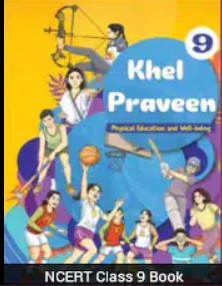
In a landmark reform, the National Council of Educational Research and Training (NCERT) has introduced a new Class 9 textbook titled “Khel Praveen”, while making Physical Education mandatory for students from Classes 3 to 10.
This move marks a significant transformation in India’s school curriculum, aiming to integrate physical fitness, mental well-being, and life skills into mainstream education.
Physical Education Now a Core Subject
For the first time, Physical Education will no longer be treated as an optional or secondary activity. Instead, it will become a compulsory subject across middle and secondary classes, aligning with the broader vision of holistic education.
The reform ensures that students consistently engage in physical activity throughout their school years, promoting healthier lifestyles and balanced development.
What Is ‘Khel Praveen’?
The newly introduced Class 9 textbook “Khel Praveen” redefines how students perceive sports and fitness. Instead of focusing only on drills or basic exercises, the book introduces a holistic and interdisciplinary approach.
Key features include:
- Understanding the science of movement (anatomy & physiology)
- Encouraging self-fitness goals and lifelong wellness habits
- Linking sports with history, ethics, and values
- Introducing career opportunities in physical education
- Promoting yoga and mindful living
This shift reflects a move from rote physical training to meaningful, knowledge-based learning combined with practical application.
New Assessment Pattern: Balanced and Practical
The evaluation system under the new framework is designed to ensure equal emphasis on theory and practice:
- 40% weightage: Theory
- 40% weightage: Practical performance
- 20% weightage: Project work
The project component is particularly innovative, encouraging students to:
- Design inclusive games
- Conduct fitness surveys
- Document local sports traditions
This approach promotes real-world learning and community engagement.
Focus on Indigenous Indian Sports
One of the standout aspects of Khel Praveen is its emphasis on India’s traditional sports heritage. Students will be introduced to disciplines such as:
- Mallakhamb
- Thang-Ta
- Gatka
- Kalaripayattu
By incorporating these activities, NCERT aims to connect students with India’s cultural roots while promoting physical discipline and diversity in sports education.
From Drills to Holistic Development
The new curriculum represents a clear departure from traditional methods:
- Moves beyond routine drills and one-time fitness tests
- Encourages continuous self-improvement and goal setting
- Includes topics like sleep, mental health, and overall wellness
- Promotes inclusion, gender equality, and adaptive sports
This “learning by doing” approach ensures that students not only understand fitness concepts but also apply them in daily life.
Why This Reform Matters
This initiative aligns with India’s push towards holistic, skill-based education. By making Physical Education compulsory, NCERT is addressing growing concerns around:
- Sedentary lifestyles among students
- Rising health and stress issues
- Lack of structured physical activity in schools
Experts believe this reform could play a key role in building a healthier, more active generation.