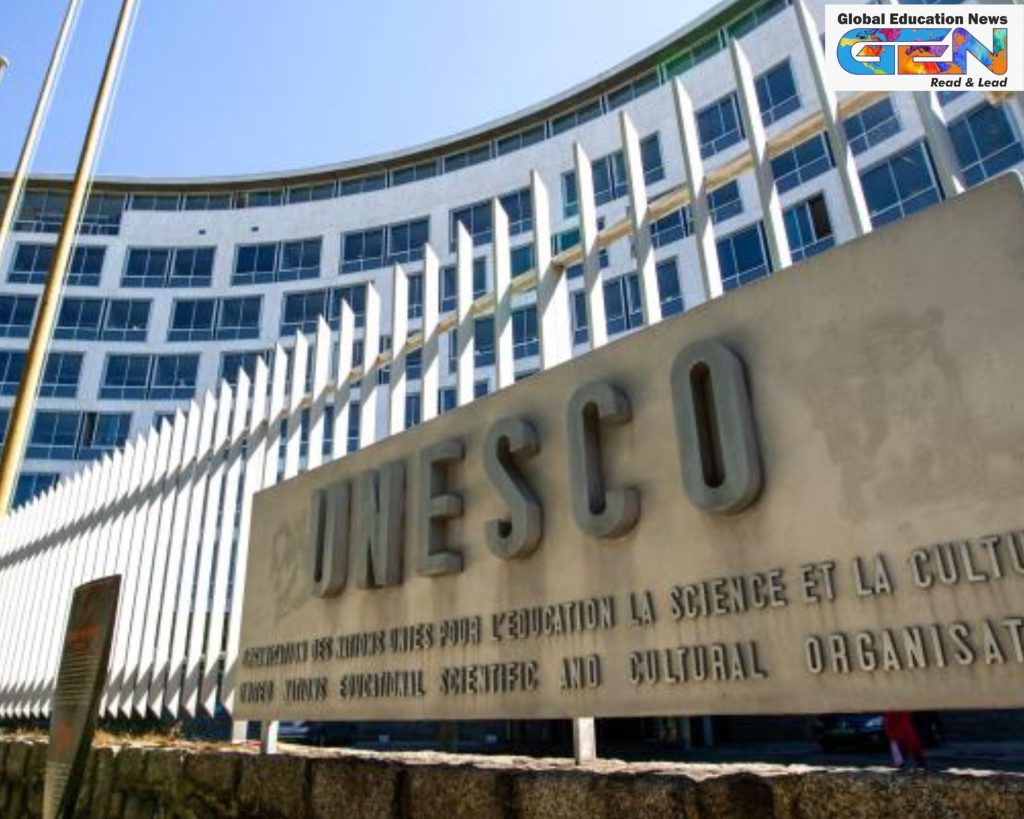
The UNESCO Global Education Monitoring (GEM) Report 2024-25, released on June 5, 2025, shines a spotlight on persistent gender disparities in education and leadership worldwide, including in India. Despite progress in access to education, the report reveals troubling gaps in learning outcomes and women’s representation in leadership roles. With boys falling behind in reading and women struggling to break into top academic positions, the report calls for urgent action to achieve Sustainable Development Goal 4 (inclusive and quality education for all). Dive into the findings and discover how we can bridge these gaps
Key Points:
- Boys lag behind girls in reading proficiency globally, with only 87 boys achieving minimum proficiency for every 100 girls.
- Women hold just 5% of vice-chancellor roles in India’s national institutions.
- The COVID-19 pandemic has disrupted gender parity in mathematics.
Learning Outcomes: Where Boys and Girls Stand
The report highlights significant gender differences in academic performance, particularly in reading and mathematics:
Key Points:
- Reading Proficiency: Globally, boys trail girls, with only 87 boys reaching minimum reading standards for every 100 girls. In middle-income countries, this gap widens to 72 boys per 100 girls.
- Mathematics Parity Disrupted: Gender equality in math has been stable for two decades, but post-COVID data from the 2023 Trends in International Mathematics and Science Study shows girls in countries like Brazil, Chile, and England facing steeper declines in math performance compared to boys.
- STEM Disparities: Only 14% of top-performing girls in OECD countries expect to pursue science or engineering careers, compared to 26% of boys, reflecting entrenched gender stereotypes.
Leadership Gaps: Women’s Struggle at the Top
Women dominate the teaching workforce but are starkly underrepresented in leadership roles, both globally and in India:
Key Points:
- India’s Leadership Crisis: Only 5% of women held vice-chancellor or director roles in 189 national institutions in 2021, with 9% as vice-chancellors and 11% as registrars in a broader sample of 1,220 universities.
- Global Trends: In Pakistan and Balochistan, gender-segregated schools limit women’s leadership opportunities to girls’ institutions, with only 29% of schools in Balochistan designated for girls.
- Bright Spots: Vietnam fares better, with women occupying 28% of university leadership roles, though only 8% as presidents or rectors.
- Publication Gap: Globally, women contribute to only 38% of research publications compared to men’s 62%, worsened by COVID-19’s caregiving burdens.
India’s Progress and Challenges
India has made strides in education access, with near-universal primary school enrollment, but learning poverty remains a concern, with 73% of children in developing countries unable to read and comprehend simple texts by age 10. The report praises India’s 2023 constitutional amendment reserving one-third of seats in the Lok Sabha and state assemblies for women, noting that female leadership in village councils has boosted education investment and narrowed gender gaps in student outcomes.
Key Points:
- Learning Outcomes: India struggles with poor learning outcomes despite high enrollment, particularly in reading and math.
- Female Leadership Impact: Women-led village councils in rural India have improved education infrastructure and parental aspirations.
- Policy Push: The report urges investment in leadership development and gender equity to strengthen education quality.
Global Context: A Call for Systemic Change
The UNESCO report underscores that gender equality in education requires a system-wide transformation, as outlined in the UNESCO Strategy for Gender Equality in and through Education (2019-2025). This includes better data, stronger legal frameworks, and empowering teaching practices.
Key Points:
- Access vs. Outcomes: While girls have closed enrollment gaps globally, learning outcomes and leadership representation lag.
- COVID-19 Impact: The pandemic increased risks of girls’ dropout due to early marriages and household responsibilities, with an estimated 13 million more child marriages projected over the next decade.
- STEM Stereotypes: Cultural norms discourage girls from pursuing STEM careers, with only 6% of mobile app and software developers being women globally.
How to Act: Steps Toward Gender Equity
The report calls for urgent reforms to address these disparities:
Key Points:
- Invest in Leadership: Increase training and opportunities for women in educational leadership roles.
- Tackle Stereotypes: Promote STEM education for girls to close career expectation gaps.
- Enhance Data: Use sex-disaggregated data to track and improve learning outcomes, as done by the UNESCO Institute for Statistics.
- Policy Reforms: Strengthen legal frameworks to ensure equal opportunities in education and leadership.
Why It Matters: A Path to Equality
The UNESCO GEM Report 2024-25 is a wake-up call to address gender gaps that hinder Sustainable Development Goal 4. With boys struggling in reading, girls facing barriers in STEM and leadership, and systemic biases persisting, the report emphasizes that education is a cornerstone of social justice and development. By empowering both genders equally, we can build inclusive, resilient societies.
Key Points:
- Social Justice: Gender equality in education drives development and peace.
- Global Impact: Closing gaps benefits economies and societies worldwide.
- Urgent Action: Reforms in leadership and learning are critical to meet SDG 4 by 2030.