Published on October 23 , 2025
Delhi, India
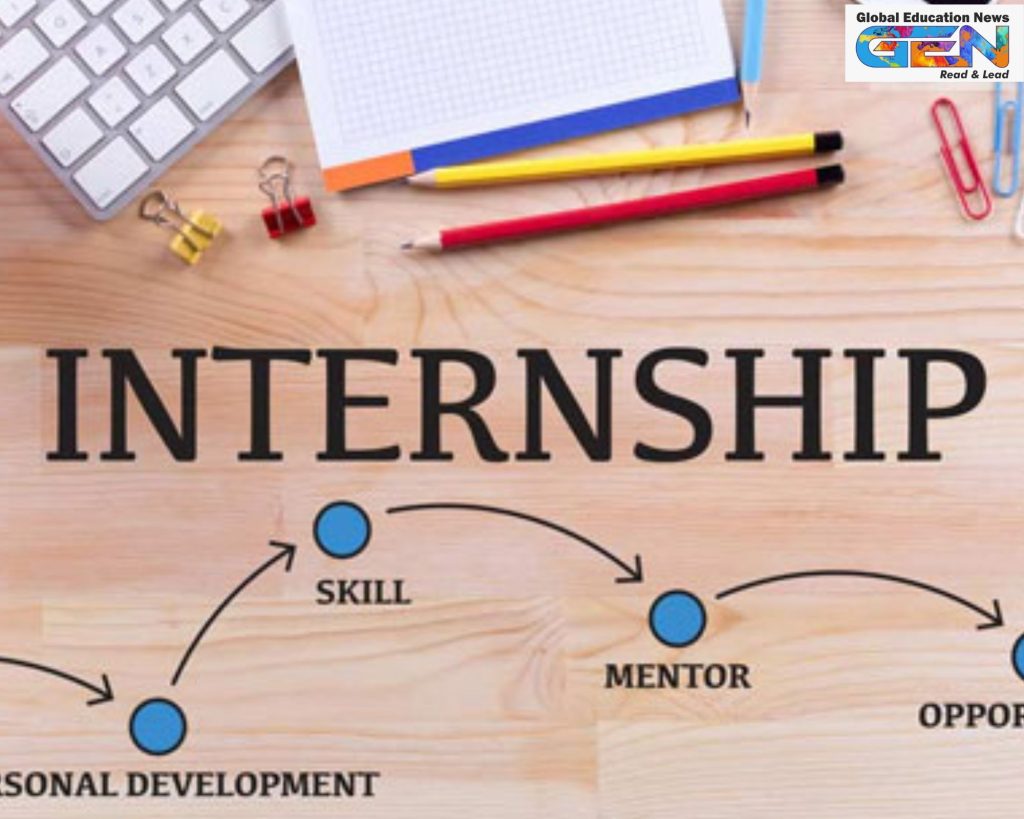
The UNESCO Internship Programme stands as a premier opportunity for graduate students and recent graduates to immerse themselves in the United Nations’ mission of promoting peace, sustainable development, and cultural exchange. Launched to bridge academic learning with real-world application, the 2025 edition invites applications from diverse global talent to contribute to UNESCO’s core pillars: education, natural sciences, social and human sciences, culture, and communication and information. With placements at headquarters in Paris, field offices worldwide, or Category I Institutes, interns tackle pressing global challenges—from multilingualism initiatives to heritage preservation. As applications open year-round but peak in January and July, this guide equips aspiring participants, especially from India where youth unemployment drives demand for international exposure, with everything needed to apply successfully by the December 31, 2025, deadline.
Background: Purpose and Evolution of the UNESCO Internship Programme
Established to foster the next generation of global leaders, the programme aligns with UNESCO’s mandate under the UN Charter, emphasizing inclusive knowledge societies. In 2025, it responds to emerging priorities like the International Decade of Indigenous Languages (2022-2032) and climate-resilient education, offering over 100 placements annually across sectors.
- Programme Goals: Complement academic pursuits with practical tasks, enhance employability through UN networking, and expose interns to multicultural teamwork—ideal for careers in NGOs, diplomacy, or academia.
- Historical Impact: Since inception, thousands of interns have advanced to UN roles; 2025 emphasizes digital innovation and equity, with a focus on underrepresented regions like Africa and Asia.
- 2025 Updates: Expanded remote/hybrid options for field offices; heightened emphasis on skills like data analysis for sustainable development goals (SDGs).
- Global Reach: Open to all nationalities, with no quotas—Indians, who form a significant applicant pool, benefit from aligned scholarships like India’s National Overseas Scholarship.
Eligibility Criteria for UNESCO Internship 2025
Targeted at emerging talent, eligibility ensures interns bring fresh perspectives while committing to UNESCO’s values of integrity, diversity, and professionalism. Bachelor’s holders without graduate enrollment are ineligible.
- Age Requirement: Minimum 20 years old at application.
- Educational Qualifications:
- Currently enrolled in a Master’s, PhD, or equivalent graduate programme.
- Or recently graduated (within 12 months prior to internship start) with a Master’s, PhD, or second-level university degree.
- Language Proficiency: Excellent command of English or French; working knowledge of the other is an asset. Both may be mandatory for administrative roles at headquarters.
- Technical Skills: Strong computer literacy (e.g., MS Office, data tools); adaptability to international environments.
- Personal Attributes: Proven teamwork, communication, and interpersonal skills; valid contact details for at least six months post-application.
- Exclusions: Previous UNESCO interns (unless >6 months gap); those seeking compensated roles. No prior work experience required, but relevant extracurriculars strengthen profiles.
Application Process and Deadline
The process is fully online, streamlined for accessibility, with applications pooled for six months—apply early for January/July intakes.
- Deadline: December 31, 2025 (midnight Paris time)—rolling reviews, but late-year submissions may miss 2025 slots.
- Steps to Apply:
- Visit careers.unesco.org and search for “Internship: All Sectors/Bureaus” or sector-specific postings (e.g., Education Sector).
- Create an account on the UNESCO Careers portal; select up to three preferred sectors/locations.
- Complete the online form in English or French, uploading required documents.
- Submit and monitor via email notifications—applications auto-expire after six months if unselected.
- Frequency: Open continuously; biannual calls in January and July for bulk placements.
- For Indian Applicants: Use Aadhaar-linked emails for verification; leverage platforms like Buddy4Study for prep webinars.
Required Documents and Submission Tips
Keep files under 5MB; incomplete applications are auto-rejected.
- Core Documents:
- Updated CV (2 pages max, highlighting academics and skills).
- Cover letter (1 page, tailored to UNESCO’s mandate and chosen sector).
- Official transcripts or enrollment proof from current/recent programme.
- Proof of language proficiency (e.g., TOEFL/IELTS scores if not native).
- Passport/ID copy (for visa planning).
- Optional but Recommended: Reference letters from professors; portfolio for creative fields (e.g., culture projects).
- Submission Notes: Save drafts; ensure contact info is current. Tailor to postings—generic apps rarely succeed.
Available Sectors and Fields
Placements span UNESCO’s mandate, matching intern expertise to ongoing projects like SDG-aligned initiatives.
- Programme Sectors:
- Education: Curriculum development, literacy programs.
- Natural Sciences: Climate action, biodiversity research.
- Culture: Heritage site management, intangible cultural preservation.
- Social and Human Sciences: Ethics in AI, gender equality policies.
- Communication and Information: Media freedom, digital inclusion.
- Central Services and Bureaus:
- Office of the Director-General: Policy support, governance.
- Bureau of Human Resource Management: Diversity training.
- Intergovernmental Oceanographic Commission: Marine science projects.
- Digital Business Solutions: Tech for sustainable development.
- Priority Africa and External Relations: Regional equity focus.
- Locations: Primarily Paris HQ (70% placements); field offices in Nairobi, Delhi, or New Delhi; remote for select roles.
| Sector | Sample Roles | Ideal Background |
|---|---|---|
| Education | Research on multilingual education | Pedagogy, linguistics |
| Natural Sciences | Data analysis for oceanography | Environmental science |
| Culture | Documentation of indigenous arts | Anthropology, arts management |
| Communication | Social media for press freedom | Journalism, digital media |
| Human Resources | Diversity audits | HR, sociology |
Duration, Benefits, and Financial Considerations
Flexible to fit academic schedules, the programme prioritizes growth over remuneration—plan for self-funding.
- Duration: 1–6 months (full-time, 40 hours/week); non-extendable beyond six months.
- Benefits:
- Hands-on projects enhancing technical/academic skills (e.g., policy drafting, fieldwork).
- Networking with UN experts; certificate of completion for resumes.
- Exposure to global diplomacy, boosting employability—80% of alumni report career advancements.
- Access to UNESCO libraries/resources; potential for future UN roles.
- Financial Aspects: Unpaid—no stipend, travel allowance, or accommodation. Interns cover all costs (estimated €1,500/month in Paris). Health insurance mandatory; visa support provided post-selection.
- Work-Life Perks: Flexible hours in some roles; multicultural environment promotes work-life balance.
Selection Process
Competitive and merit-based, with no interviews for most—focus on application quality.
- Review Stages: Initial screening for eligibility; talent pool entry for six months; manager matches based on needs.
- Criteria Weighting: Academic fit (40%), motivation/cover letter (30%), skills/experience (20%), diversity (10%).
- Timeline: Notification within 1–3 months; no response after six months means unsuccessful.
- Success Rate: ~10–15% selection; prioritize niche skills like data visualization for edge.