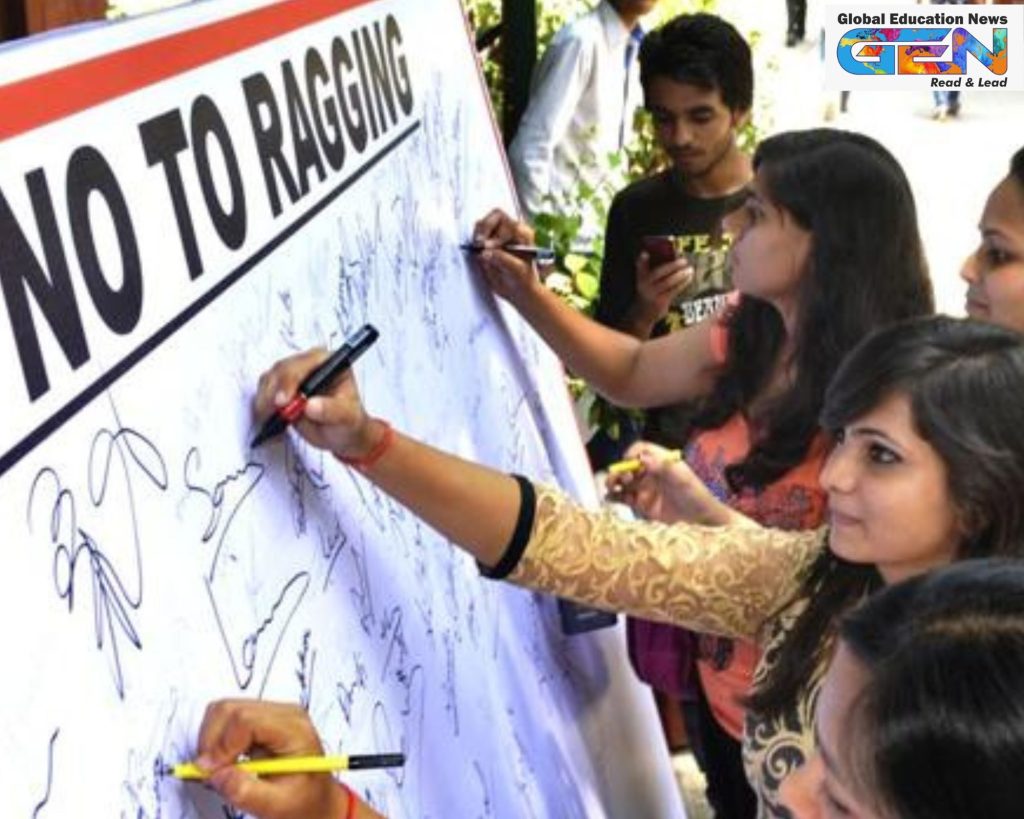
The University Grants Commission (UGC) has sent shockwaves through India’s higher education system by issuing show-cause notices to over 80 prestigious institutions, including IITs, IIMs, Aligarh Muslim University (AMU), and Indira Gandhi National Open University (IGNOU), on June 10, 2025. The reason? Failure to comply with the UGC Regulations on Curbing the Menace of Ragging, 2009. With ragging incidents rising—51 deaths reported between 2022 and 2024—this crackdown highlights a critical need for campus safety. Here’s why the UGC is taking action and what it means for students and institutes in 2025.
- Key Points:
- Notices issued to 80+ institutions for anti-ragging non-compliance.
- Includes elite institutes like IITs, IIMs, AMU, and IGNOU.
- UGC demands response within 15 days to avoid strict penalties.
What Sparked the UGC’s Action?
The UGC’s move follows alarming findings that many institutions failed to submit mandatory anti-ragging undertakings from students and parents, a key requirement under the 2009 regulations. These undertakings are critical to deter ragging, defined as any act causing physical or psychological harm to students. Despite a 24×7 anti-ragging helpline and strict guidelines, compliance has been spotty. Medical colleges, in particular, are hotspots, reporting 30 times more ragging incidents relative to student numbers. The UGC’s notice demands explanations and threatens withdrawal of grants or recognition if institutes don’t comply.
- Key Points:
- Non-submission of anti-ragging affidavits triggered notices.
- Medical colleges account for 42% of ragging complaints.
- Penalties include grant cuts or de-recognition for non-compliance.
The Ragging Crisis: A Grim Reality
Ragging remains a persistent issue, with 3,156 complaints logged via the national anti-ragging helpline from 2022 to 2024, though activists say this underestimates the problem due to fear of retaliation. Tragically, 25 students died by suicide due to ragging between 2018 and 2023, with 9 cases in 2023 alone. Recent incidents, like the death of an 18-year-old MBBS student in Gujarat after being forced to stand for hours, underscore the urgency. The UGC’s action aims to enforce accountability, especially after high-profile cases at Jadavpur University and Tripura Medical College.
- Key Points:
- 51 ragging-related deaths reported from 2022–2024.
- 25 suicides linked to ragging in 5.5 years (2018–2023).
- Fear of reprisal limits reporting, hiding the true scale.
Why Are Top Institutes Like IITs and IIMs in the Spotlight?
Even premier institutes aren’t immune. IIT Mandi suspended 10 students and penalized 62 for ragging in 2023, while IIT Delhi faced scrutiny after suicides linked to campus stress. IIMs, AMU, and IGNOU have also lagged in enforcing anti-ragging measures, such as forming active anti-ragging committees or ensuring affidavits. The UGC’s notice, prompted by a Supreme Court directive, signals that no institute is above the law, pushing for stricter oversight and cultural change.
- Key Points:
- IIT Mandi disciplined 72 students for ragging in 2023.
- Elite institutes failed to submit mandatory undertakings.
- Supreme Court-backed UGC rules demand zero tolerance.
What Happens Next for Noticed Institutions?
The 80+ institutions have 15 days to respond to the UGC, detailing compliance measures or facing penalties like funding cuts or loss of recognition. They must submit anti-ragging undertakings, strengthen anti-ragging cells, and report actions taken. The UGC’s 24×7 helpline (1800-180-5522) and monitoring portal remain active, but activists argue for allowing anonymous complaints to boost reporting. With 832 ragging complaints in Uttar Pradesh alone (2013–2022), the pressure is on to act swiftly.
- Key Points:
- Institutes must respond within 15 days or face penalties.
- Required to submit affidavits and activate anti-ragging cells.
- Anonymous complaint systems urged to increase reporting.
How Can Students Stay Safe? Tips for 2025
Ragging can be daunting, but students can take steps to protect themselves and promote a safer campus:
- Report Incidents: Use the UGC’s anti-ragging helpline (1800-180-5522) or online portal (www.antiragging.in).
- Know Your Rights: Ragging is a criminal offense, punishable by suspension, expulsion, or fines up to Rs. 10,000.
- Seek Support: Contact campus anti-ragging committees or helplines like KIRAN (1800-599-0019) for mental health support.
- Submit Affidavits: Ensure you and your parents sign anti-ragging undertakings at admission.
- Key Points:
- Helpline and portal offer immediate reporting options.
- Ragging penalties include expulsion and fines.
- Mental health support available via national helplines.
The Bigger Picture: Reforming Campus Culture
The UGC’s notices highlight a deeper issue: a campus culture that often normalizes ragging. Medical colleges report severe cases, like mass head-shaving at Tripura Medical College, where 18 students were fined Rs. 10 lakh. Activists from Society Against Violence in Education (SAVE) call for systemic change, including better enforcement and anonymous reporting. The UGC’s push aligns with NEP 2020 goals for safe, inclusive education, but lasting change requires institutes to prioritize student well-being over reputation.
- Key Points:
- Medical colleges are ragging hotspots, needing urgent reform.
- Anonymous reporting could boost complaint numbers.
- Aligns with NEP 2020 for safer campuses.
Act Now: A Call for Safer Campuses in 2025
The UGC’s show-cause notices to IITs, IIMs, AMU, IGNOU, and others are a bold step toward ending ragging. Students, parents, and institutes must act—submit anti-ragging affidavits, report incidents, and foster respect on campus. Check www.ugc.ac.in or www.antiragging.in for updates and resources. With 25 suicides and 51 deaths tied to ragging in recent years, the stakes are high. Let’s make 2025 the year India’s campuses become safe havens for learning.
- Key Points:
- Visit ugc.ac.in for compliance updates and helplines.
- Cultural shift needed to end ragging normalization.
- 2025 goal: Safe, inclusive campuses for all students.