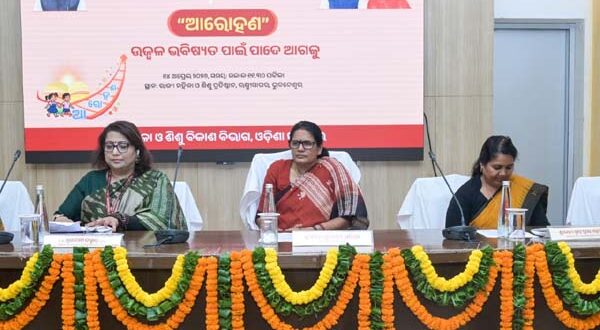
In a significant push toward strengthening foundational learning, the Odisha government has launched the ‘Aarohan’ initiative, a comprehensive programme aimed at enhancing early childhood education across the state. The initiative reflects a growing recognition that the first six years of a child’s life are critical for cognitive and emotional development.
Launched by Deputy Chief Minister Pravati Parida, the programme is designed to create a strong bridge between pre-primary learning and formal schooling, ensuring that children are better prepared for their academic journey ahead.
Focus on Foundational Learning and Smooth Transition
At its core, the Aarohan initiative aims to strengthen foundational literacy and early learning outcomes. A key objective is to ensure a seamless transition of children from Anganwadi centres to Bal Vatika (pre-primary to Class 1).
The programme specifically targets six-year-old children who have completed their early childhood education and are ready to enter the formal school system.
By focusing on this crucial transition phase, the government aims to reduce learning gaps and improve long-term academic performance.
Strengthening Anganwadi Ecosystem
A major pillar of the initiative is the strengthening of Anganwadi centres, which serve as the foundation of early childhood education in India.
Under Aarohan:
- Anganwadi workers will receive enhanced support and training
- Infrastructure and learning environments will be improved
- Holistic development—covering nutrition, health, and education—will be prioritised
Officials have emphasised that grassroots-level improvements are essential to ensure lasting impact in early education systems.
Emphasis on Holistic Child Development
The Aarohan programme goes beyond academics to promote holistic child development. It integrates:
- Cognitive and language development
- Social and emotional learning
- Nutrition and health awareness
The initiative was launched alongside Poshan Pakhya 2026, highlighting the government’s focus on linking nutrition with early learning outcomes.
Experts believe that such integrated approaches can significantly improve school readiness and lifelong learning capabilities.