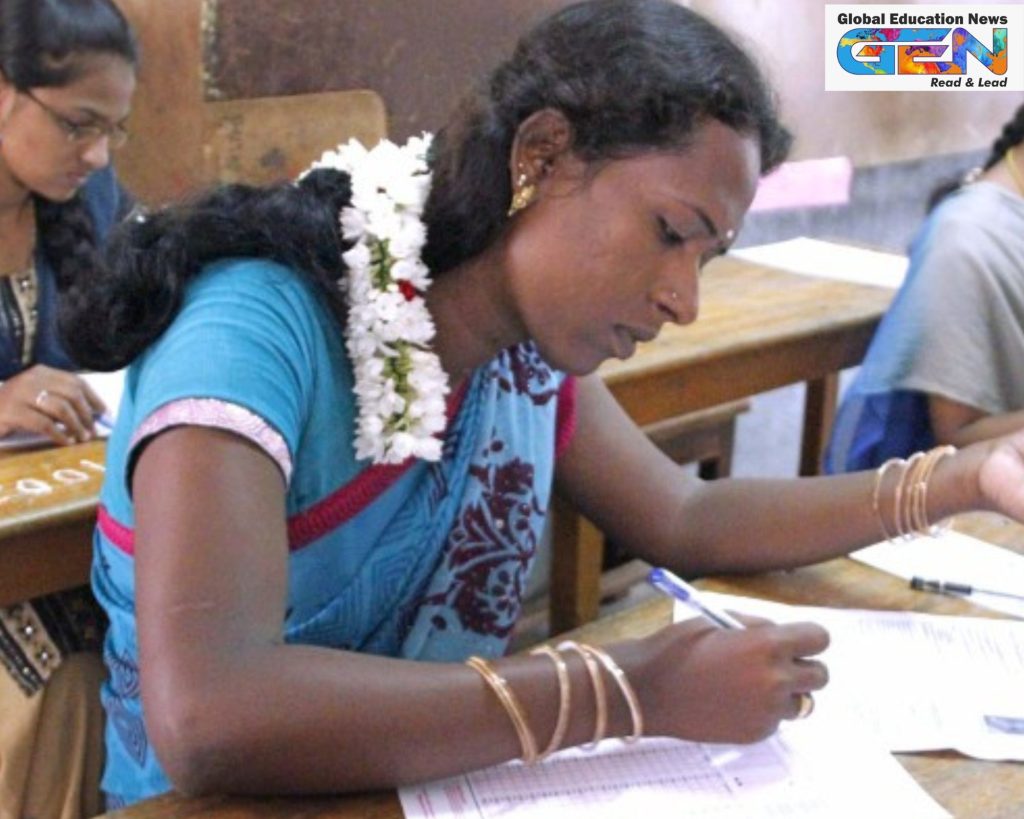
India is making significant strides in transgender education, with a dramatic increase in student enrolment across schools and higher education institutions. Government data reveals a six-fold rise in school enrolment from 155 in 2021-22 to 965 in 2023-24, and higher education enrolment soared from 302 in 2020-21 to 1,448 in 2022-23. This progress reflects evolving policies and societal attitudes, but sustained efforts are crucial for true inclusion.
Key Points:
- Transgender school enrolment increased from 155 to 965 in two years.
- Higher education enrolment grew from 302 to 1,448 over three years.
- Policy interventions and awareness campaigns are driving this change.
Regional Leaders: Uttar Pradesh and Bihar Shine
Uttar Pradesh (UP) and Bihar are at the forefront of transgender student enrolment. In 2023-24, UP led school enrolment with 327 students, followed by Bihar with 282. UP also topped higher education with 369 students in 2022-23, while Maharashtra (158) and Madhya Pradesh (124) followed. These states’ proactive measures, including scholarships and sensitization programs, have boosted participation.
Key Points:
- UP recorded 327 school and 369 higher education enrolments in 2023-24.
- Bihar enrolled 282 transgender students in schools.
- Scholarships and awareness initiatives are key drivers in these states.
Challenges: Uneven Progress Across States
Despite the nationwide surge, progress is inconsistent. Rajasthan’s school enrolment dropped from 107 in 2021-22 to 77 in 2023-24, and West Bengal saw a decline from 211 to 62. States like Ladakh, Nagaland, and Lakshadweep report negligible or zero enrolment, highlighting the need for targeted interventions.
Key Points:
- Rajasthan and West Bengal saw declines in school enrolment.
- Some states report zero transgender student enrolment.
- Regional disparities require customized policy solutions.
| State | 2021-22 (Schools) | 2023-24 (Schools) | 2022-23 (Higher Ed) |
|---|---|---|---|
| Uttar Pradesh | 16 | 327 | 369 |
| Bihar | 4 | 282 | – |
| Maharashtra | 3 | 12 | 158 |
| Rajasthan | 107 | 77 | 101 |
| West Bengal | 0 | 62 | – |
| All India Total | 155 | 965 | 1,448 |
Policy and Infrastructure: Building an Inclusive Framework
The National Education Policy (NEP) 2020 and initiatives like gender-neutral facilities and scholarships have fueled this growth. However, challenges such as social stigma, untrained educators, and inadequate infrastructure persist. Experts emphasize the need for transgender-friendly campuses to ensure retention and success.
Key Points:
- NEP 2020 promotes inclusive education for transgender students.
- Gender-neutral facilities and scholarships enhance accessibility.
- Social stigma and lack of infrastructure remain barriers.
The Way Forward: Sustaining Momentum
To maintain this progress, India needs comprehensive reforms, including teacher training, gender-neutral infrastructure, and expanded financial aid. Awareness campaigns in rural areas and policy support for low-enrolment states are critical to bridging gaps and fostering inclusive education environments.
Key Points:
- Teacher training and infrastructure upgrades are essential.
- Awareness campaigns can reduce stigma in conservative regions.
- Low-enrolment states need targeted interventions.
Conclusion: A Bright Future for Transgender Education
The surge in transgender student enrolment is a beacon of hope for India’s education system. By addressing challenges and investing in inclusive policies, India can empower transgender youth to thrive. This milestone is not just about numbers—it’s about building a more equitable society.
Key Points:
- Rising enrolment reflects growing acceptance of gender diversity.
- Systemic reforms are needed for long-term success.
- Education is key to empowering transgender communities.