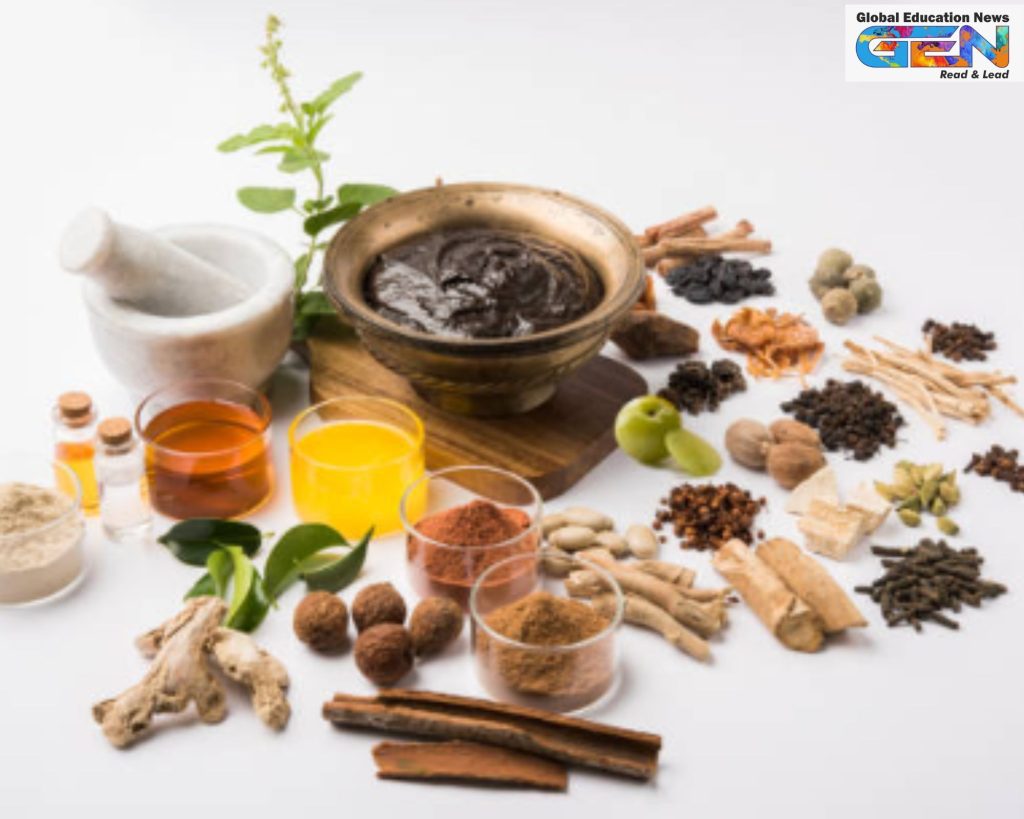
India is ushering in a revolutionary approach to education by integrating Ayurveda, the ancient science of holistic healing, into school and college curricula. The National Council of Educational Research and Training (NCERT) and the University Grants Commission (UGC) are collaborating to develop course modules that introduce students to Ayurveda’s principles of balance, prevention, and natural wellness. This initiative aims to empower young minds with the tools to lead healthier lives while celebrating India’s rich cultural heritage.
Key Points:
- NCERT and UGC are crafting Ayurveda-focused modules for schools and higher education.
- The initiative promotes holistic health practices like mindful nutrition and stress management.
- States like Goa, Madhya Pradesh, Uttarakhand, and Uttar Pradesh are already implementing Indian knowledge systems in schools.
Why Ayurveda in Education Matters
Incorporating Ayurveda into education is a game-changer, fostering a generation that values wellness and cultural pride. By teaching students about natural remedies, balanced lifestyles, and preventive care, this program equips them to tackle modern health challenges with ancient wisdom. It’s not just about learning recipes for herbal teas—it’s about cultivating a mindset of harmony and resilience.
Key Points:
- Students will learn practical skills for physical, mental, and emotional well-being.
- The curriculum fosters pride in India’s traditional knowledge systems.
- Ayurveda education prepares students for a balanced, health-conscious life.
Global Recognition Through Evidence-Based Research
The Ministry of AYUSH is elevating Ayurveda’s global stature by prioritizing rigorous, evidence-based research. The Central Council for Research in Ayurvedic Sciences (CCRAS) is conducting high-quality clinical trials to validate Ayurvedic treatments. Partnerships with the World Health Organization (WHO) are setting international standards, ensuring Ayurveda’s credibility as a scientific system of medicine.
Key Points:
- CCRAS leads clinical trials to provide scientific backing for Ayurveda.
- WHO collaboration establishes global standards for Ayurvedic practices.
- International initiatives like AYUSH Chairs and MOUs expand Ayurveda’s reach.
Ayurveda and Allopathy: A Complementary Partnership
Forget the rivalry—Ayurveda and allopathy are joining forces to create an integrated healthcare model. Through the National AYUSH Mission and AYUSH Grid, India is blending the preventive focus of Ayurveda with the diagnostic precision of modern medicine. This synergy ensures comprehensive, patient-centric care, especially in underserved rural areas.
Key Points:
- Ayurveda and allopathy complement each other for holistic healthcare.
- AYUSH doctors are deployed in Health and Wellness Centres to enhance accessibility.
- The National AYUSH Mission promotes integrated healthcare services nationwide.
Building a Healthier Nation with AYUSH Initiatives
The government’s commitment to public health is evident in the expansion of AYUSH infrastructure. From establishing health centres to creating medicinal gardens, the National AYUSH Mission is making traditional medicine accessible to all. Over the past decade, AYUSH has transformed India’s healthcare landscape, earning global recognition through initiatives like International Yoga Day and the WHO Global Center for Traditional Medicine.
Key Points:
- AYUSH health centres and medicinal gardens are expanding across India.
- Initiatives like International Yoga Day have globalized India’s traditional practices.
- The Ministry of AYUSH has strengthened public health infrastructure in rural areas.