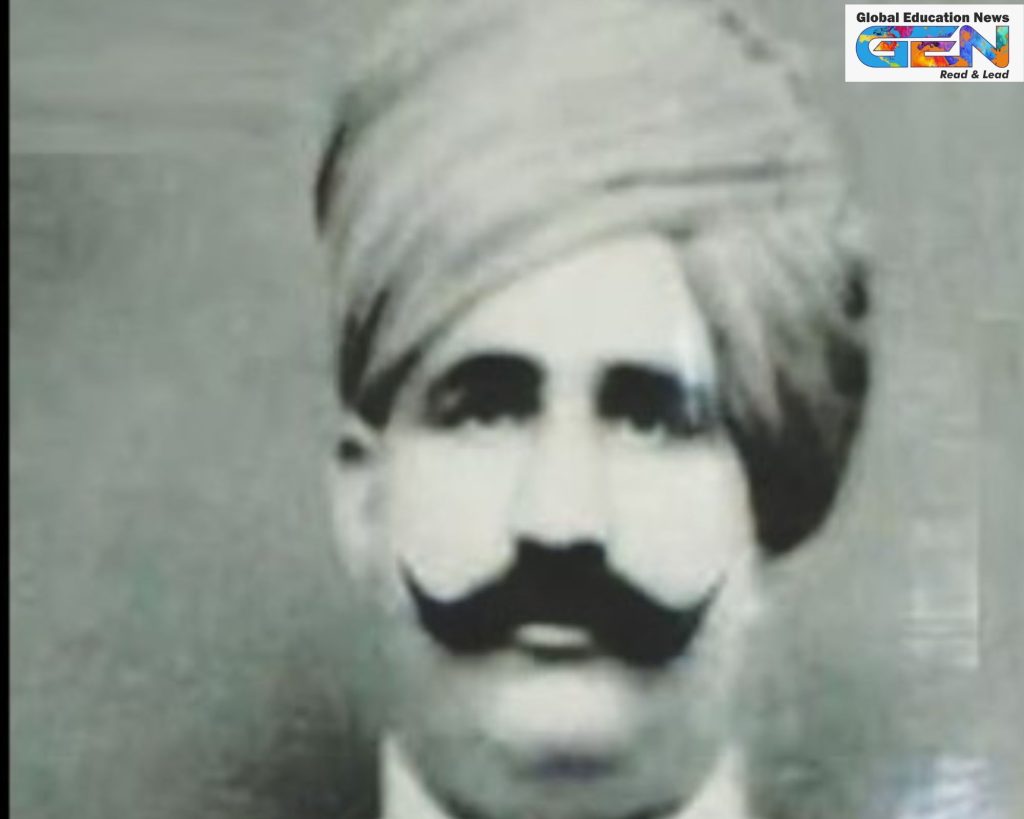
In the annals of India’s independence saga, few stories burn as fiercely as that of Shaheed Veer Narayan Singh – a Binjwar tribal chieftain whose blade cut through colonial chains and famine’s grip. Born in the lush heartlands of Sonakhan, this 19th-century icon didn’t just rebel; he embodied justice, feeding the starving and rallying the oppressed against the East India Company’s tyranny. Fast-forward to November 1, 2025: Prime Minister Narendra Modi inaugurated the Shaheed Veer Narayan Singh Memorial cum Tribal Freedom Fighters Museum in Naya Raipur, Chhattisgarh, breathing fresh life into his 168-year-old legacy. As tribal pride surges under the Janjatiya Gaurav Diwas celebrations, Veer Narayan Singh’s tale resonates louder than ever – a blueprint of resilience for modern India.
This deep dive unpacks his life, revolutionary spark, martyrdom, and enduring impact. For UPSC aspirants eyeing GS Paper I (Modern History) or tribal movements, these insights highlight how local heroes fueled the national fire of 1857. Let’s honor the Mahanayak of Sonakhan, whose sword was as sharp as his sense of equity.
Early Life and Roots: Forged in Tribal Valor and Resistance
Veer Narayan Singh’s origins were steeped in defiance, setting the stage for his legendary stand.
Key Milestones
- Birth and Heritage: Entered the world in 1795 as the son of Ramasai, a zamindar of the Binjwar tribe in Sonakhan (present-day Baloda Bazar district, Chhattisgarh). His lineage traced back to Gond rulers, blending royal blood with deep tribal ethos.
- Family Legacy of Rebellion: His father spearheaded an uprising against British incursions and the Bhosale rulers of Nagpur in 1818-19, instilling young Narayan with unyielding anti-colonial fervor. This early exposure transformed him from a benevolent landlord into a fierce protector of his people.
- Tribal Context: As a Binjwar leader, he governed with fairness, resolving disputes and ensuring community welfare – values that later defined his freedom fight.
From village chieftain to revolutionary, his journey mirrored the raw spirit of Chhattisgarh’s forested heart, where tribal customs clashed with imperial greed.
Role in the 1857 Revolt: Champion of the Oppressed and Famine’s Fury
The Great Revolt of 1857 wasn’t just sepoy mutinies; in Chhattisgarh, it was Veer Narayan Singh’s clarion call against exploitation, blending anti-British rage with a crusade for food justice.
Pivotal Actions
- Igniting the Spark: Rallying locals in Sonakhan, he led armed resistance against British tax hikes and land grabs, capturing the Sonakhan fort in August 1857. His forces disrupted supply lines, echoing Rani Lakshmibai’s valor but rooted in tribal guerrilla tactics.
- Famine Relief Heroism: Amid the devastating 1856-57 famine engineered by British hoarding policies, Singh stormed a Raipur trader’s godown, redistributing seized grains to the starving masses. This act of “people’s justice” symbolized food sovereignty, predating modern rights movements.
- Strategic Alliances: Coordinated with regional rebels, including Bhil and Gond warriors, to form a broader anti-colonial front. His leadership turned isolated tribal skirmishes into a coordinated uprising, challenging British control in Central India.
Singh’s revolt wasn’t mere rebellion – it was a moral thunderbolt, proving that true freedom starts with feeding the hungry.
Capture, Martyrdom, and the Price of Defiance
Betrayal and brutality marked the end of his earthly fight, but his spirit endured as a rallying cry.
Timeline of the Final Stand
| Event | Date/Details | Significance |
|---|---|---|
| Fort Capture | August 1857 | Symbolized tribal reclaiming of ancestral lands. |
| British Retaliation | Late 1857; forces under Captain Vincent recaptured Sonakhan. | Exposed vulnerabilities in rebel supply chains. |
| Arrest | Betrayed by a relative; handed over in chains. | Highlighted internal divisions amid colonial divide-and-rule. |
| Execution | Hanged on December 10, 1857, at Rajnandgaon jail, aged 62. | First Chhattisgarhi martyr of 1857; body displayed as warning. |
- Trial Farce: Denied a fair hearing, he faced a kangaroo court on charges of “sedition and theft,” his famine raid twisted into criminality.
- Last Words: Legend holds he proclaimed, “My people will rise again,” a prophecy fulfilled in waves of future uprisings.
His death at the gallows didn’t silence him – it amplified the echoes of resistance across India’s tribal belts.
Enduring Legacy: From Folk Hero to National Icon
Veer Narayan Singh’s story transcends 1857, inspiring generations with themes of equity and ecological harmony.
Cultural and Symbolic Impact
- State Honors: Chhattisgarh’s official “first freedom fighter,” with November 10 celebrated as Shaheed Veer Narayan Singh Day. Statues dot Raipur and Sonakhan, while folk ballads keep his saga alive in Halbi and Gondi tongues.
- Modern Recognition: Post-independence, awarded the Veer title; featured in school curricula as a pillar of tribal contributions to freedom. His life influenced leaders like Birsa Munda, underscoring interconnected indigenous struggles.
- Values Embodied: A just ruler who shunned caste hierarchies, promoted sustainable farming, and prioritized community over conquest – ideals aligning with Ambedkarite and Gandhian ethos.
In Chhattisgarh’s tribal heartland, he’s not history; he’s a living compass for social justice.
Recent Milestone: The Shaheed Veer Narayan Singh Museum – A Tribute to Tribal Grit
The inauguration on November 1, 2025, by PM Modi marks a watershed in preserving this heritage.
Museum Highlights
- Location and Vision: Nestled in Naya Raipur’s Atal Nagar, the 20-acre complex chronicles tribal freedom fighters’ sacrifices, from Singh to Alluri Sitarama Raju.
- Exhibits and Features: Interactive galleries on 1857’s Chhattisgarhi chapter, artifacts like replica swords, and VR recreations of the famine raid. Sections on Binjwar culture, eco-conservation, and women’s roles in revolts.
- Broader Goals: Part of Janjatiya Gaurav Varsh (Tribal Pride Year), it aims to educate 1 lakh visitors annually, fostering Viksit Bharat through indigenous narratives.
- PM’s Vision: Modi lauded Singh as a “footsoldier of freedom” whose welfare ethos mirrors Atmanirbhar Bharat, urging youth to draw from such unsung tales.
This museum isn’t bricks and mortar – it’s a bridge from past rebellions to future empowerment.