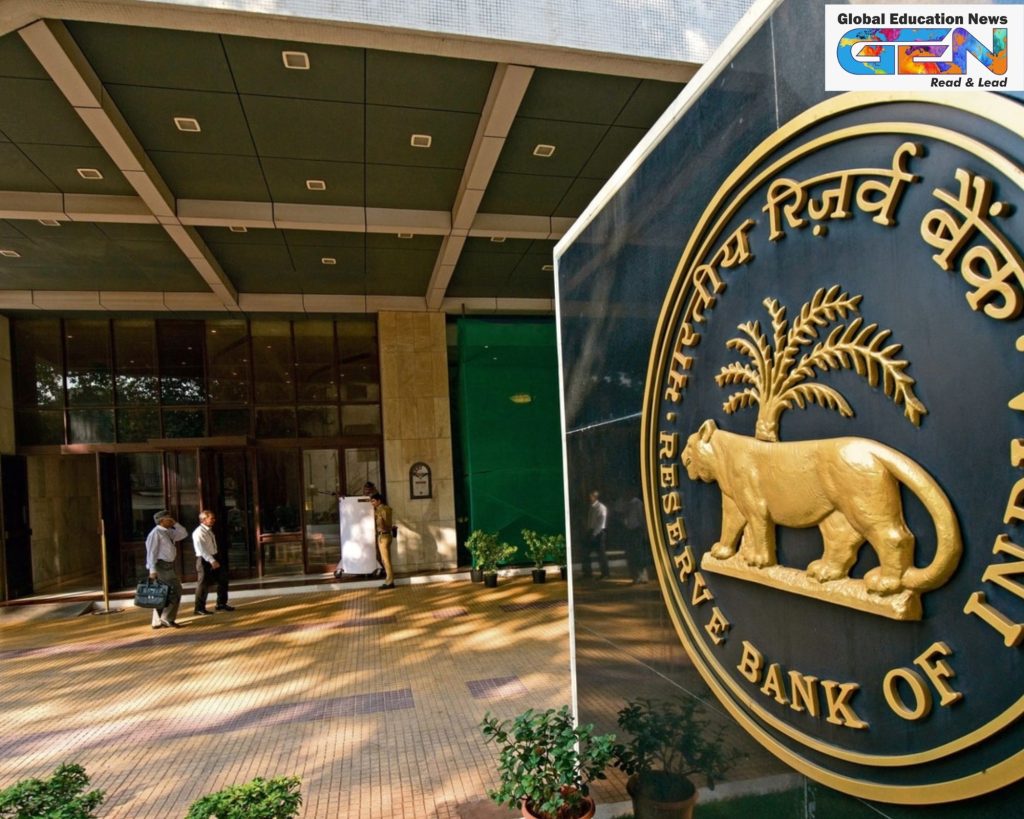
The Reserve Bank of India (RBI) dropped its Urban Consumer Confidence Survey (UCCS) results for May 2025, offering a snapshot of how urban households view the economy. Conducted from May 2-11, 2025, with 6,090 respondents from 19 major cities, the bi-monthly survey captures sentiments on income, employment, inflation, and spending. Amid a rebrand separating urban from the new Rural Consumer Confidence Survey, the findings show urban India treading cautiously—Current Situation Index (CSI) slipped to 95.4 from 95.5—but brimming with hope, as the Future Expectations Index (FEI) climbed to 123.4 from 122.4.
- RBI’s May 2025 UCCS surveyed 6,090 urban households across 19 cities.
- Current Situation Index (CSI) dips slightly to 95.4, signaling mild pessimism.
- Future Expectations Index (FEI) rises to 123.4, reflecting strong optimism.
Decoding the UCCS: What’s the Survey About?
Key Points:
- Bi-monthly survey assesses urban views on economic conditions.
- Covers general economy, jobs, prices, income, and spending.
- Rebranded in 2025 to distinguish urban from rural sentiments.
The UCCS is RBI’s go-to tool for gauging urban household vibes on the economy. It asks how folks feel about current conditions compared to a year ago and what they expect in the next year. Questions dig into economic situation, employment, price levels, income, and spending habits. The 2025 rebrand splits it from the Rural Consumer Confidence Survey, launched in April 2025, to better capture urban vs. rural dynamics. With 6,090 respondents across cities like Mumbai, Delhi, and Bengaluru, the May round offers a pulse check on urban India’s economic mood. X posts call it a “key policy compass” for the RBI.
CSI vs. FEI: A Tale of Now and Tomorrow
Key Points:
- CSI at 95.4 (down from 95.5) shows slight pessimism on current conditions.
- FEI at 123.4 (up from 122.4) signals robust optimism for 2026.
- Employment and price improvements drive future confidence.
The survey’s two big metrics tell different stories:
- Current Situation Index (CSI): At 95.4, down a smidge from 95.5 in March 2025, it’s below the neutral 100 mark, reflecting mild pessimism about today’s economy, jobs, and prices. Urban households see slight gains in employment and prices but remain wary.
- Future Expectations Index (FEI): Jumping to 123.4 from 122.4, this index screams optimism for the year ahead. Households expect better economic conditions, job prospects, income growth, and spending power, pushing the FEI to a one-year high.
Inflation Worries Ease: A Bright Spot
Key Points:
- Current inflation perception drops to 7.7% from 7.8% in March 2025.
- One-year-ahead inflation expectation falls to 9.5% from 9.7%.
- Second consecutive survey with declining price concerns.
Inflation’s grip on urban households is loosening. The perceived current inflation rate dipped to 7.7% in May 2025, down 10 basis points from March, while one-year-ahead expectations fell 20 basis points to 9.5%. This marks the second straight survey where pessimism about price levels has eased, with most respondents expecting moderating inflation in 2026. The RBI notes, “Pessimism about current price levels continued to ease,” a trend that could fuel demand-side recovery. X posts highlight this as a “win for RBI’s inflation management.”
Income and Spending: Steady Now, Booming Later
Key Points:
- Current income sentiment stable, but future earnings optimism soars.
- Slight dip in current spending on essential and non-essential items.
- Strong expectations for increased spending in 2026.
Urban households are holding steady on current income perceptions, with no major shifts since March 2025. However, they’re bullish on future earnings, expecting income growth to drive higher spending next year. Current spending on essential (food, utilities) and non-essential (gadgets, travel) items saw a slight decline, reflecting cautious wallets. But the RBI notes, “Households remain firmly optimistic on future earnings,” with plans for increased expenditure in 2026. This cautious optimism could spark a consumption rebound, per X discussions.
Urban vs. Rural: A Confidence Contrast
Key Points:
- Rural CSI at 100.0, slightly down but more optimistic than urban’s 95.4.
- Rural FEI at 126.2, outshining urban’s 123.4.
- Monsoons and lower food inflation boost rural optimism.
The new Rural Consumer Confidence Survey offers a fascinating comparison. In May 2025, the rural CSI edged down to 100.0 from 100.1, just at the neutral mark, outperforming urban’s 95.4. The rural FEI soared to 126.2, higher than urban’s 123.4, driven by favorable monsoons and easing food inflation (rural inflation perception at 6.3% vs. urban’s 7.7%). Rural households, surveyed across 8,969 respondents, show stronger confidence, likely due to agricultural gains. X posts suggest rural optimism could “balance urban caution” in driving growth.
Policy Implications: RBI’s Balancing Act
Key Points:
- Supports RBI’s inflation control and growth-focused policies.
- Governor Sanjay Malhotra notes steady rural, improving urban demand.
- Calls for sustained job creation and price stability measures.
The UCCS is a policy goldmine for the RBI. The easing inflation expectations (down to 9.5% for 2026) suggest the Monetary Policy Committee (MPC) is anchoring price stability, as seen in the 50 bps repo rate cut to 5.5% on June 6, 2025. RBI Governor Sanjay Malhotra highlighted, “Rural demand remains steady, while urban demand is improving,” signaling a need for job creation and price control to sustain optimism. The survey’s insights could guide fiscal and monetary tweaks, like boosting urban employment or easing credit to spur spending. X users urge “proactive policies” to capitalize on the FEI’s bullishness.
Challenges to Watch Out For
Key Points:
- Persistent urban CSI below 100 signals ongoing economic concerns.
- Slight spending dip could delay consumption recovery.
- Balancing urban-rural dynamics requires targeted policies.
Despite the upbeat FEI, challenges loom. The CSI’s stubborn stay below 100 (six years running) reflects lingering pessimism about jobs and prices, potentially curbing urban demand. The slight dip in current spending could slow recovery if not addressed. Plus, the urban-rural confidence gap—with rural areas more optimistic—demands tailored policies, like urban job programs or rural infrastructure boosts. X posts warn that “ignoring urban pessimism could stall growth.”
The Bigger Picture: India’s Economic Trajectory
Key Points:
- Aligns with NEP 2020’s focus on data-driven policy innovation.
- Signals potential demand recovery in 2026, per FEI rise.
- Urban-rural surveys enhance RBI’s economic forecasting.
The UCCS ties into India’s broader push for data-driven growth, echoing NEP 2020’s emphasis on evidence-based strategies. The FEI’s jump to 123.4 hints at a consumption-led recovery in 2026, especially if inflation stays in check (RBI projects 3.7% CPI for FY26). The dual urban-rural surveys give the RBI a sharper lens for forecasting, helping balance urban demand (6.5% GDP growth projected) with rural resilience. X users see this as “India’s economic compass” for navigating global uncertainties.