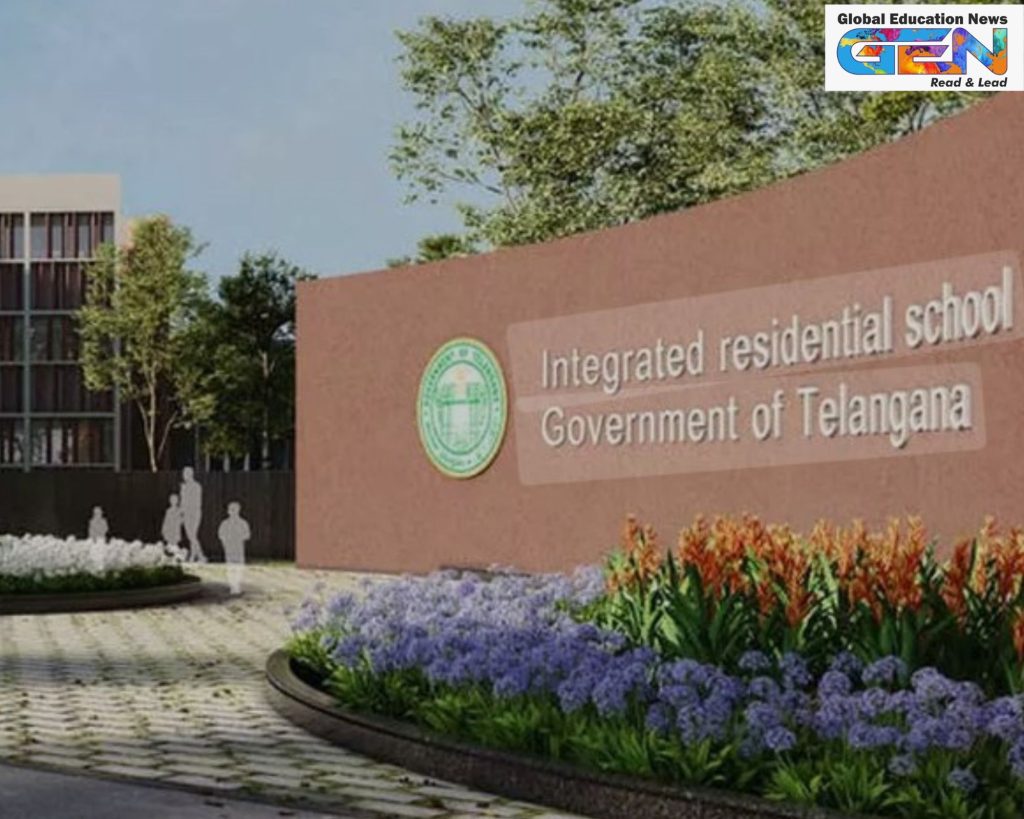
On Teachers’ Day 2025, Telangana is making waves in the education sector with its ambitious Young India Integrated Residential Schools (YIIRS) initiative. The state government, led by Deputy Chief Minister Mallu Bhatti Vikramarka, has requested Union Finance Minister Nirmala Sitharaman to secure ₹30,000 crore and relax Fiscal Responsibility and Budget Management (FRBM) limits to fund this transformative project. Aimed at providing world-class education to underprivileged children, YIIRS aligns with India’s vision of inclusive education and Viksit Bharat by 2047. Here’s how Telangana is redefining learning for the next generation.
Key Points:
- Telangana seeks ₹30,000 crore for 105 YIIRS campuses and allied education investments.
- The initiative emphasizes AI-enabled classrooms, STEM labs, and inclusive facilities.
- FRBM relaxation is crucial for funding this long-term human capital investment.
The YIIRS Vision: A Revolution in Education
Key Points:
- Budget: ₹21,000 crore for constructing 105 campuses, ₹9,000 crore for allied investments.
- Features: AI-enabled classrooms, STEM and vocational labs, sports, arts, and nutrition services.
- Capacity: Each campus to accommodate 2,560 students from Classes 5 to 12.
The Young India Integrated Residential Schools are not just schools—they’re a bold reimagining of education. With a total outlay of ₹30,000 crore, the initiative includes ₹21,000 crore for building 105 state-of-the-art campuses and ₹9,000 crore to strengthen junior colleges, degree colleges, and technical institutions. Each YIIRS campus will feature multidisciplinary learning, AI-enabled classrooms, STEM and vocational labs, and robust nutrition services to support holistic development.
Designed to serve marginalized communities—56.33% Backward Classes, 17.43% Scheduled Castes, and 10.45% Scheduled Tribes, as per SEEPEC data—YIIRS aims to bridge gaps in education and nutrition, addressing persistent poverty in Telangana despite its economic growth.
“YIIRS is a system-wide transformation, creating world-class learning environments for Telangana’s poorest children,” says Deputy Chief Minister Vikramarka.
Why FRBM Relaxation Matters
Key Points:
- Telangana seeks exemption from FRBM limits to raise ₹30,000 crore via loans.
- Loans will be managed through a special purpose corporation for transparency.
- FRBM relaxation is justified as a long-term investment in human development.
To fund this ambitious project, Telangana proposes raising loans through a special purpose corporation, requesting that these borrowings be exempted from FRBM limits. Deputy Chief Minister Vikramarka emphasized that YIIRS is a long-term capital investment in human development, not routine expenditure. This exemption is critical to avoid straining the state’s fiscal resources while ensuring the project’s success. The memorandum submitted to Sitharaman highlights YIIRS’s alignment with Sustainable Development Goal (SDG)-4 for inclusive and equitable education.
Inclusive and Innovative Features of YIIRS
Key Points:
- Technology: AI-enabled classrooms, digital infrastructure, and vocational labs.
- Sustainability: Rooftop solar, rainwater harvesting, and waste management systems.
- Support Systems: Health units, counseling services, and gender-sensitive facilities.
YIIRS campuses are designed to be future-ready, integrating AI-enabled classrooms, STEM labs, and vocational training to prepare students for 21st-century careers. Beyond academics, the schools prioritize nutrition services, sports, and arts integration to foster well-rounded growth. Gender-sensitive residential facilities, staff residences, health units, and counseling services ensure a safe and supportive environment. Sustainability features like rooftop solar, rainwater harvesting, and waste management make these campuses eco-friendly, setting a model for modern education infrastructure.
Addressing Social Inequities in Telangana
Key Points:
- Targets BC, SC, ST, and minority students, who form over 84% of Telangana’s population.
- Addresses gaps in existing residential schools, often in rented or inadequate buildings.
- Aligns with India’s goal of a skilled and empowered demographic dividend.
Telangana’s rapid economic growth has not fully translated into educational equity, with many existing residential schools for SC, ST, BC, and minority students operating in substandard facilities. YIIRS aims to change this by providing world-class learning environments for these communities, empowering lakhs of students and strengthening India’s demographic dividend. By addressing inequalities in education and nutrition, YIIRS supports poverty alleviation and aligns with national priorities for human capital development.