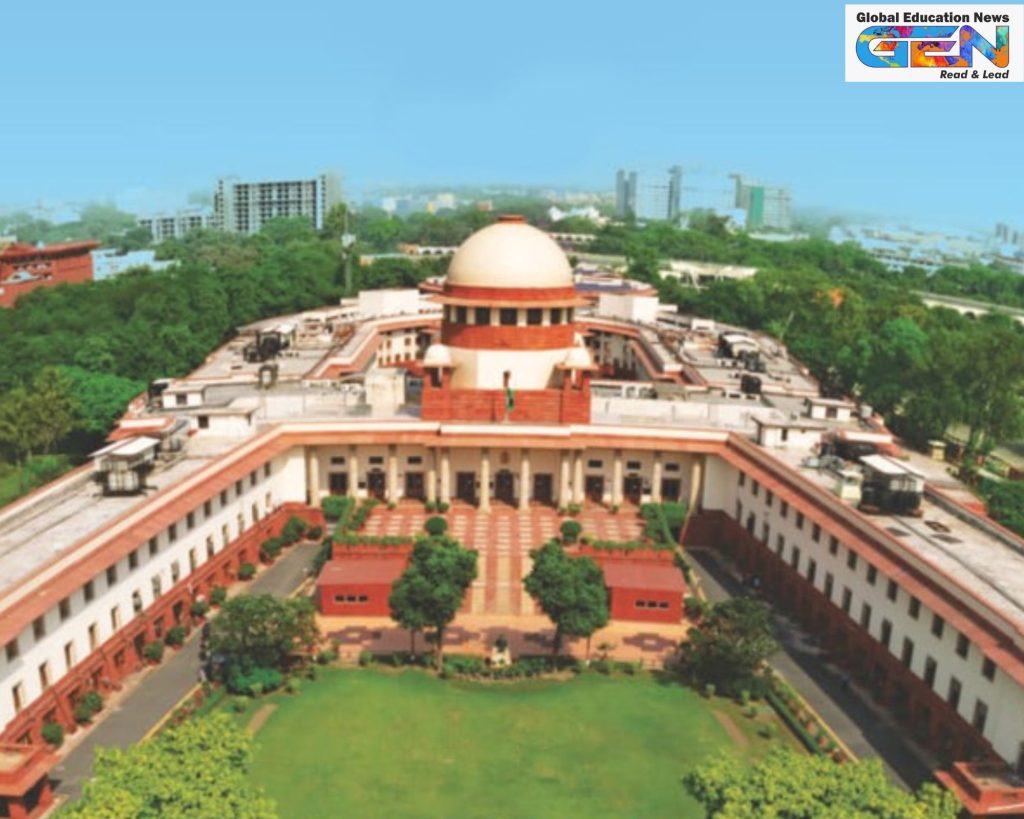
In a landmark ruling delivered on World Disability Day, December 3, 2025, the Supreme Court has issued transformative directives to the Union Public Service Commission (UPSC), mandating enhanced accommodations for candidates with disabilities in the Civil Services Examination (CSE). The decision in the ongoing Mission Accessibility vs Union of India case addresses long-standing barriers faced by visually impaired and other disabled aspirants, emphasizing that true equality demands proactive measures beyond mere token gestures. By allowing scribe changes up to seven days before exams and requiring a comprehensive screen-reader implementation plan within two months, the apex court is not just tweaking rules—it’s redefining accessibility in India’s most competitive recruitment process, ensuring that talent isn’t sidelined by systemic hurdles.
The Backstory: From Petitions to Judicial Push for Inclusion
The verdict stems from a writ petition filed by Mission Accessibility, a Delhi-based NGO advocating for digital and exam equity for persons with disabilities (PwD), highlighting how rigid UPSC policies exacerbate inequalities in high-stakes tests like CSE. Here’s the context that led to this pivotal order:
- Core Grievances: Petitioners argued that UPSC’s inflexible scribe allocation—locked weeks in advance—ignores emergencies like scribe illness or incompatibility, while the lack of screen-reader compatibility in exam software violates the Rights of Persons with Disabilities (RPwD) Act, 2016.
- Historical Context: Previous rulings, including a 2023 directive on compensatory time, set the stage, but implementation gaps persisted, with over 1,000 PwD candidates in CSE 2024 facing tech barriers despite 4% reservation quotas.
- Court’s Approach: A bench led by Justices Vikram Nath and Sandeep Mehta reviewed UPSC’s 2025 exam rules, stressing “substantive equality” over procedural checkboxes, especially amid rising CSE applications (over 13 lakh in 2025).
- Timing’s Significance: Delivered on December 3—International Day of Persons with Disabilities—the order amplifies global calls for inclusive education, aligning with UNCRPD commitments.
This isn’t an isolated win; it’s the culmination of years of advocacy, turning courtroom battles into blueprints for reform.
Breaking Down the Directives: What UPSC Must Do Now
The Supreme Court’s order is precise and actionable, blending immediate relief with long-term planning to make CSE truly barrier-free. Key mandates include:
- Scribe Flexibility: PwD candidates can now request scribe changes up to seven days before the exam date, with UPSC required to process and approve requests by May 18, 2025, for CSE Prelims—addressing real-world contingencies without compromising integrity.
- Screen-Reader Roadmap: UPSC must submit a detailed proposal within 60 days on enabling screen-reader software (like JAWS or NVDA) for visually impaired candidates across question papers and online modules, including pilot testing and vendor tie-ups.
- Compliance Timeline: A comprehensive affidavit outlining the action plan is due in two months, with the court reserving the right to monitor via periodic reports—ensuring accountability beyond paperwork.
- Broader Safeguards: The ruling reinforces existing rules like extra time (20 minutes per hour) but adds scrutiny on scribe qualifications, mandating parity in speed and education level with the candidate.
These steps shift UPSC from reactive fixes to proactive design, potentially benefiting thousands in future cycles.
Voices from the Ground: How This Empowers Disabled Aspirants
For PwD candidates, who often navigate CSE’s labyrinth with amplified challenges, this verdict feels like a long-overdue exhale. Aspirants and advocates share stories of resilience amid obstacles:
- Real-Life Impact: A visually impaired petitioner recounted past exams where incompatible scribes led to lost marks; the seven-day window could prevent such heartbreaks, boosting confidence for the 2025 batch.
- Tech as Equalizer: Screen readers could halve preparation time for blind candidates, who currently rely on costly human aids—aligning with NEP 2020’s digital inclusion goals and reducing dropout rates (currently 30% higher for PwD).
- Reservation Realized: With 4% seats reserved, this ensures quotas translate to opportunities, not just numbers; early feedback from disability forums hails it as a “confidence booster” for rural PwD aspirants.
- Challenges Ahead: While celebratory, experts caution on enforcement—UPSC’s past delays mean vigilant NGO oversight will be key to avoiding “order on paper” pitfalls.
Personal triumphs like IAS officer Pranjal Patil’s (visually impaired topper) underscore why these changes matter: accessibility unlocks potential.
Ripple Effects: Shaping Inclusive Exams Nationwide
This ruling extends beyond UPSC, signaling a judicial blueprint for all public exams—from SSC to state services—where PwD participation lags at under 2%. Its wider horizons include:
- Policy Precedent: Other bodies like SSC and banking recruiters may adopt similar scribe and tech norms, fostering a unified national framework under RPwD Act.
- Economic and Social Gains: Enhanced access could swell India’s 1.5 lakh-strong PwD workforce pipeline, with CSE’s prestige amplifying role model effects for youth.
- Global Alignment: Echoing ADA standards in the US, it positions India as a leader in exam equity, potentially influencing international tests like IELTS adaptations.
- Watchpoints: Success metrics—like 20% PwD uptake in CSE 2026—will test UPSC’s commitment; failure could invite contempt proceedings.