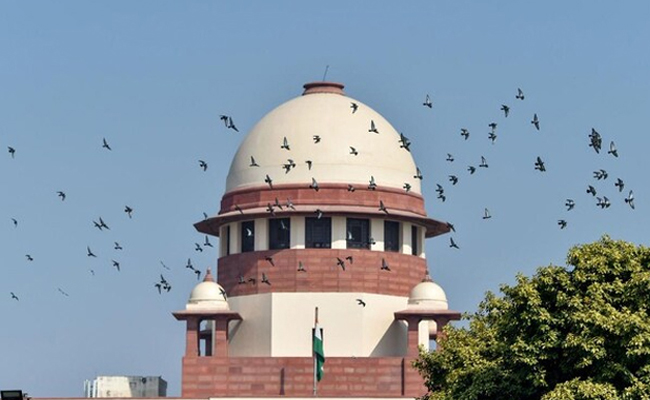
In a major development for postgraduate medical admissions in India, the Supreme Court of India has asked the National Board of Examination in Medical Sciences (NBEMS) to explain its decision to lower the qualifying cut-off percentiles for the National Eligibility cum Entrance Test for Postgraduate (NEET-PG) 2025-26. The apex court’s move signals heightened judicial scrutiny of a controversial policy shift in medical entrance standards.
Background: Why the Cut-Off Was Lowered
Late in the NEET-PG 2025 counselling cycle, NBEMS — acting on a letter from the Ministry of Health and Family Welfare — revised the minimum qualifying percentiles to expand eligible candidates for the third round of counselling due to thousands of unfilled postgraduate medical seats nationwide.
Key Changes Implemented
- For SC, ST, and OBC candidates, the qualifying percentile was reduced from 40 to zero, effectively allowing even those with low or negative scores (due to negative marking) to be eligible for counselling.
- For the general category, the percentile was lowered from 50 to 7.
- Similar relaxations applied to candidates with disabilities.
Officials justified the policy by noting that over 18,000 postgraduate seats remained vacant even after the second counselling round, potentially undermining healthcare workforce development.
Supreme Court Intervention: Seeking Answers
A two-judge bench headed by Justices P.S. Narasimha and Alok Aradhe has asked NBEMS to file an affidavit explaining the rationale behind the drastic percentile reduction and posted further hearings in the matter. The court emphasised the need to balance the pragmatic goal of filling seats with preserving academic standards crucial for patient care and specialist training.
While the objective of increasing eligibility is acknowledged, the bench noted concerns that standards should not be weakened without transparent, credible justification.
Debate & Stakeholder Reactions
Arguments for the Cut-Off Reduction
- Utilisation of Seats: Authorities and medical bodies argued that lowering the cut-off was necessary to ensure that available specialist seats are not left vacant, which could hinder healthcare delivery.
- Maintaining Merit Order: Despite lower eligibility criteria, merit ranking and counselling mechanisms remain unchanged — candidates will still be seated based on rank and preference.
Concerns Raised
- Academic Integrity: Physicians’ groups and legal petitioners argue that allowing candidates with minimal or negative scores to qualify could dilute the competitive nature and credibility of postgraduate medical education.
- Quality of Healthcare: Critics have warned that underqualified trainees entering specialised programmes may negatively impact patient safety in the long run.
Judicial Review & Legal Challenges
Multiple legal challenges have emerged alongside the Supreme Court’s notice:
- A public interest litigation (PIL) has been filed asserting the decision violates principles of fairness and merit-based assessment, with arguments that altering criteria mid-process undermines aspirants who planned their careers based on original standards.
- The Allahabad High Court recently upheld the revised cut-off norms when challenged at the state level, reinforcing that judicial responses vary and the matter remains active.
What This Means for NEET-PG Aspirants
Though the Supreme Court’s directive does not immediately reverse the revised criteria, it places the spotlight on transparency, accountability, and academic standards in medical education policy. Students who now qualify under the lowered cut-off continue in ongoing counselling, but the final legal outcome could influence future eligibility norms and authority discretion.
Immediate Impact
- Larger pool of candidates eligible for third-round counselling
- Continued merit-based seat allocation via the Medical Counselling Committee
- Heightened uncertainty until further judicial clarification