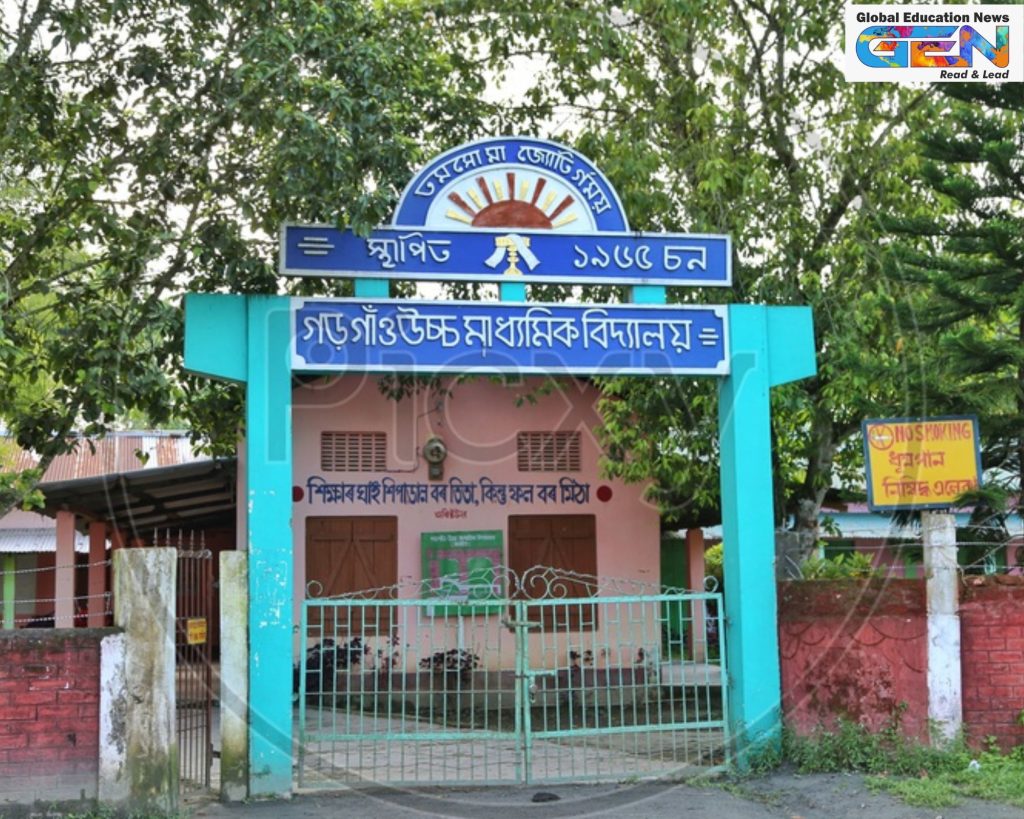
In the mist-shrouded char islands and remote villages of Assam, where the Brahmaputra’s floods carve out isolated worlds, education should be a beacon of hope—yet it’s flickering amid profound neglect. On November 27, 2025, the Assam Assembly spotlighted a harsh reality: nearly 1,400 government schools in these underserved regions operate without basic drinking water or toilets, while a staggering 28,000 teaching posts lie vacant. This revelation, tabled by Education Minister Ranoj Pegu in response to Congress MLA Wajed Ali Choudhury’s query, underscores a systemic crisis that not only hampers daily learning but threatens the National Education Policy (NEP) 2020’s equity goals, potentially driving dropout rates 20-30% higher in affected areas compared to urban counterparts, as per broader rural education studies.
Unveiling the Infrastructure Void: Water, Toilets, and the Human Cost
Assam’s rural and char-area schools—serving some of the state’s most vulnerable tribal and flood-prone communities—exemplify how foundational gaps erode educational access. Out of 1,391 surveyed Lower Primary (LP) and Middle English (ME) schools, the majority falter on essentials, mirroring a national rural malaise where 25% of schools still lack functional amenities despite decade-long schemes like Samagra Shiksha.
Key Points Integrated with Insights:
- Water Woes Exposed: 347 schools have zero drinking water access, with another 134 featuring non-functional sources—issues exacerbated by seasonal flooding that contaminates wells and strains limited budgets. This scarcity not only risks health outbreaks, like the 15% rise in waterborne illnesses reported in Assam’s interiors last monsoon, but also deters girl students, whose attendance dips 10-15% during such crises, perpetuating gender disparities in enrollment.
- Toilet Deficits Deepen Isolation: A stark 809 schools lack any toilets, joined by 101 with broken facilities, leaving students—especially adolescents—exposed to indignity and safety hazards. In char areas, where schools double as community hubs, these voids amplify dropout risks, with data indicating affected girls are twice as likely to abandon studies post-primary, undermining NEP’s inclusive push.
- Holistic Toll on Learning: These shortages compound into a vicious cycle: overburdened facilities lead to overcrowded classes and reduced instructional time, slashing effective teaching hours by up to 20% in similar high-deprivation zones nationwide. Yet, pockets of progress, like community-led rainwater harvesting in select Majuli schools, hint at scalable fixes if scaled with state support.
This infrastructure chasm isn’t mere oversight—it’s a barrier to dignity and opportunity, demanding urgent audits to align with Sustainable Development Goal 4’s quality education targets.
Teacher Vacancy Crisis: 28,000 Empty Desks Behind the Blackboard
The staffing shortfall paints an equally grim picture: 27,936 unfilled posts across char and rural government schools, burdening the few educators present with multi-grade teaching and administrative overloads. In a state where pupil-teacher ratios already skew toward 40:1 in rural belts—far above the national 30:1 ideal—this vacuum stifles curriculum delivery, particularly in STEM subjects vital for NEP 2020’s skill-based reforms.
Key Points Integrated with Insights:
- Breakdown of the Black Hole: Vacancies cluster heavily in Middle English schools (12,382 posts), followed by Lower Primary (8,251) and Upper Primary (7,303), leaving foundational literacy and numeracy programs understaffed. Rural Assam’s remote geography deters applicants, with 60% of posts in hard-to-reach chars remaining open for over two years, echoing national trends where teacher absenteeism hits 24% in underserved regions.
- Ripple Effects on Students: Overstretched staff means diluted focus, correlating with 15-20% lower learning outcomes in literacy assessments for affected cohorts. For char children, who trek hours to school, an absent teacher can mean a lost day of progress, fueling a generational cycle of underachievement that widens Assam’s urban-rural divide—where urban schools boast 90% staffing versus rural’s 70%.
- Underlying Drivers and Fixes: Low incentives, like delayed rural postings and inadequate housing, fuel the exodus, but innovative models such as Assam’s recent TET-qualified hires show promise in boosting retention by 25%. Integrating digital tools for virtual mentoring could bridge gaps temporarily, fostering a more resilient workforce aligned with NEP’s continuous professional development ethos.
Addressing this isn’t just recruitment—it’s reinvigorating a profession to reclaim classrooms as engines of empowerment.
Government Response: Recruitment Drives and Restoration Pledges in Motion
Amid the outcry, Assam’s administration is mobilizing, blending immediate hires with infrastructural overhauls to stem the tide. These steps, while nascent, signal a pivot toward accountability, though their pace must accelerate to meet 2025-26 fiscal benchmarks under schemes like PM POSHAN.
Key Points Integrated with Insights:
- Hiring Momentum Building: Document verification for 4,500 LP teacher posts in general areas is underway, complementing the Directorate of Secondary Education’s completion of 9,717 recruitments. This targeted influx could fill 15-20% of vacancies by mid-2026, easing ratios and injecting fresh pedagogy, as seen in pilot districts where new hires lifted enrollment by 12%.
- Facility Revival Efforts: Departments are prioritizing restorations, with funds from Samagra Shiksha earmarked for solar pumps and modular toilets in 500 high-need schools. Early wins, like retrofits in Kamrup’s rural clusters reducing non-functionality by 30%, demonstrate feasibility, but sustained monitoring via third-party audits is essential to avoid the 40% implementation leaks plaguing similar rural projects.
- Policy Synergies and Gaps: Linking to NEP’s infrastructure grants, these moves foster community involvement—vital in chars where locals maintain 70% of facilities—but fall short without addressing flood-resilient designs, a flaw that undid 25% of prior investments during 2024 monsoons.
These initiatives hold transformative potential if paired with transparent timelines, turning pledges into palpable progress.
Pathways Forward: Bridging Gaps for an Equitable Educational Horizon
Assam’s school crisis is a microcosm of rural India’s broader struggle—where 35% of schools nationwide still grapple with basics—yet it also spotlights resilience in community-driven adaptations. By 2026, envisioning tech-infused classrooms and full staffing could elevate Assam’s learning indices by 25%, but this requires multi-stakeholder resolve: from enhanced rural incentives to NGO partnerships for hygiene drives.
Key Points Integrated with Insights:
- Holistic Reforms Needed: Beyond hires, embedding NEP’s foundational literacy programs with local languages could retain 10-15% more char students, while green infrastructure investments yield dual benefits in sustainability and attendance.
- Stakeholder Calls Amplified: Voices from educators and MLAs urge accelerated funding, warning that unchecked shortages could balloon dropouts to 40% in vulnerable pockets— a clarion for civil society to advocate via platforms like RTE forums.
- Optimistic Blueprints: Models from neighboring Meghalaya, where vacancy fills via incentives cut shortages by 18%, offer replicable strategies, positioning Assam to lead Northeast’s education turnaround.