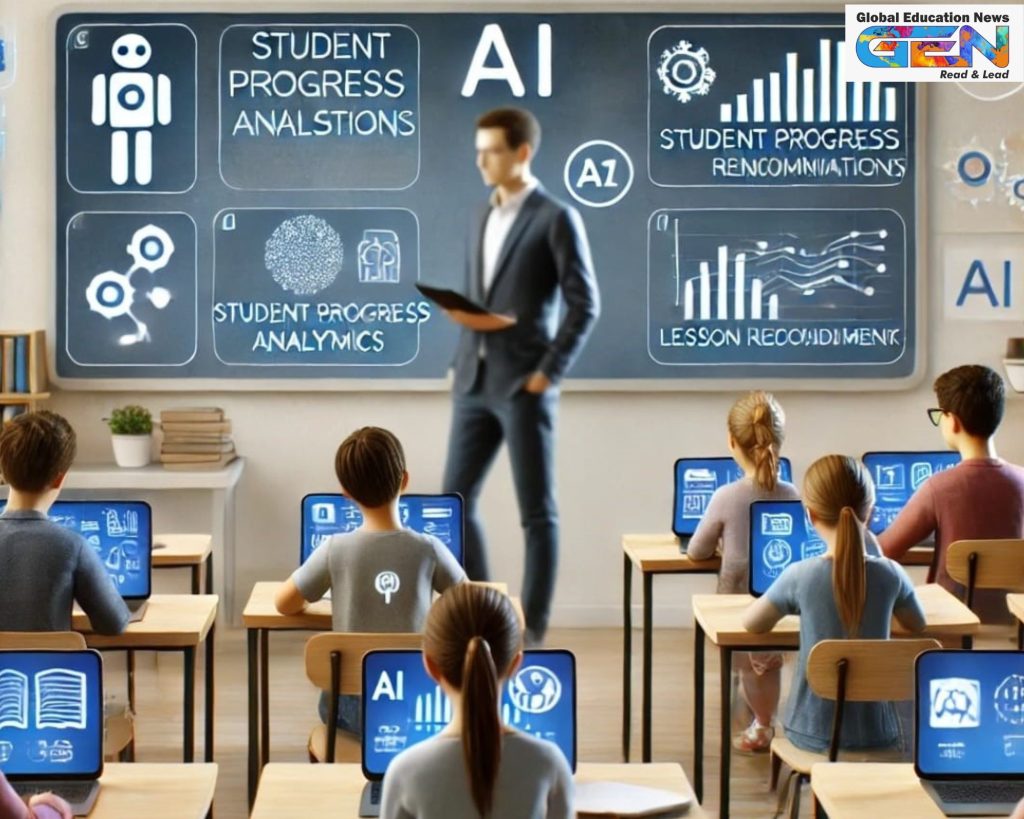
Delhi’s education landscape is buzzing with innovation as the State Council of Educational Research and Training (SCERT) launches the AI-Mediated Classroom Project. Set to kick off on October 8 and 9, 2025—just days away—this initiative equips 100 computer science teachers from 50 government schools with practical AI skills. It’s not just about tech; it’s about creating dynamic, student-centered environments where AI acts as a silent partner, adapting to every learner’s needs.
Key Points on the Launch:
- Hands-On Focus: Two-day intensive workshops blending theory and real-world application for immediate classroom impact.
- Targeted Reach: Starting with computer science educators, who will then train peers in math, science, English, Hindi, and social studies for Classes 6 and 9.
- Equity at Heart: Prioritizing government schools to bridge the digital divide and foster inclusive AI adoption across India.
Why AI Training is Transforming Teachers into Super Educators
In a world where AI powers everything from Netflix recommendations to medical diagnoses, why should classrooms stay analog? This Delhi program tackles teacher burnout head-on by automating tedious tasks, freeing up time for creative sparks. Nationwide, similar efforts are yielding remarkable results: enhanced student retention, customized lesson plans, and a 20-30% jump in academic performance in pilot zones.
Key Insights into the Impact:
- Personalized Learning Magic: AI tools analyze student data in real-time, tailoring content—like turning algebra into gamified challenges—to match individual paces and styles.
- Efficiency Boost: Automate grading and attendance, allowing teachers to focus on mentoring and fostering critical thinking.
- Ethical Edge: Training emphasizes data privacy and bias-free AI, ensuring responsible use in diverse Indian contexts.
Unpacking the Training Roadmap: From Novices to AI Pioneers
The program’s phased rollout ensures seamless integration, starting school-by-school to keep things grounded and scalable. Imagine educators returning from sessions armed with chatbots for instant feedback or predictive analytics to intervene early with struggling students—it’s practical magic unfolding on-site.
Key Phases Breakdown:
- Phase 1 (October 2025): 100 computer teachers become “resource persons,” leading in-house workshops for 15 subject teachers per school.
- Phase 2 (Ongoing Rollout): Subject-specific deep dives, covering AI for assessments, interactive content creation, and multilingual support aligned with CBSE curricula.
- Sustainability Measures: Follow-up sessions, digital resource kits, and peer networks to sustain momentum beyond initial training.
Drawing from broader Indian trends, like Uttar Pradesh’s AI pilots and online platforms offering adaptive modules, this approach builds teacher confidence while aligning with global standards—think ethical AI frameworks from international accelerators.
Challenges and Triumphs: Navigating AI in Indian Education
No revolution is without hurdles, but Delhi’s strategy shines by addressing them upfront. From uneven internet access to varying tech literacy, the program counters with low-bandwidth tools and beginner-friendly interfaces. Early adopters report thrilling wins: one teacher described AI as “a co-teacher that never tires,” sparking student-led projects that blend coding with cultural storytelling.
Key Challenges and Solutions:
- Digital Divide: Offline-capable AI apps and solar-powered devices for remote areas.
- Skill Gaps: Bite-sized modules with Hindi/English options to ease entry for all educators.
- Long-Term Wins: Projected outcomes include a 15% rise in STEM enrollment and workforce-ready skills for AI-driven jobs.