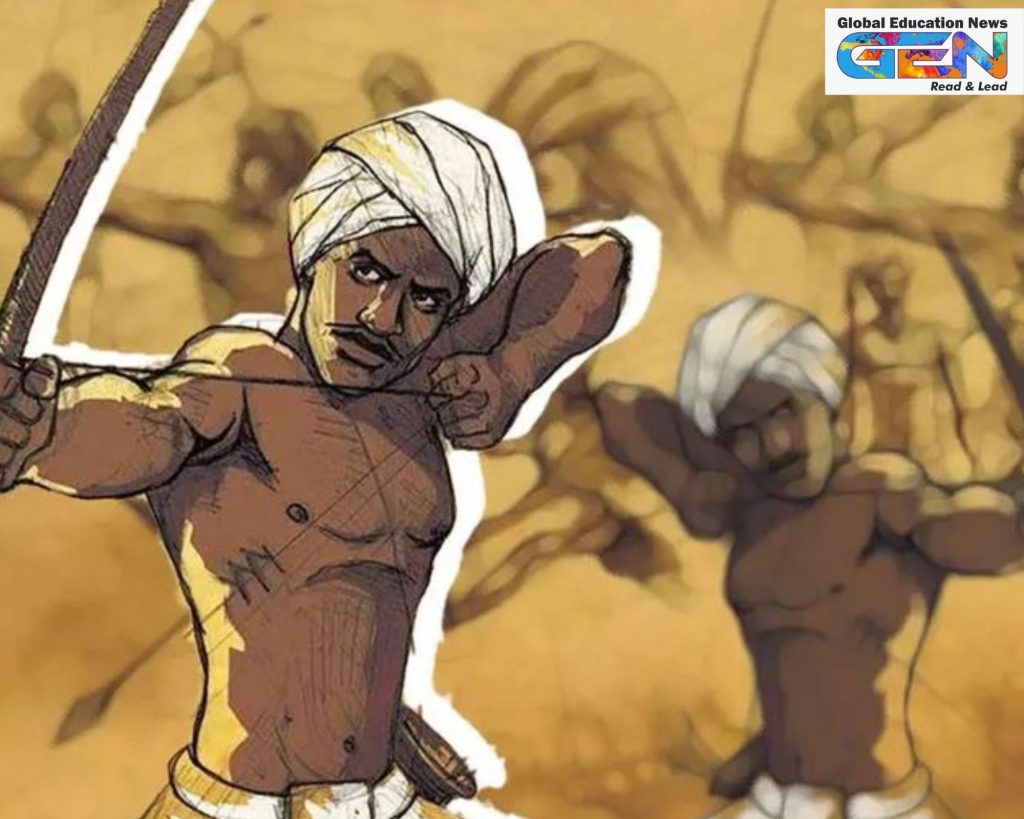
In 2025, Jharkhand will erupt in pride as it marks the 170th anniversary of the Santhal Hul, a historic tribal uprising that began on June 30, 1855. Known as Hul Diwas, this day celebrates the fearless rebellion led by Sidhu and Kanhu Murmu, two Santhal brothers who united their community against British exploitation and local zamindars. Predating the 1857 Sepoy Mutiny, the Santhal Hul remains a powerful symbol of tribal resistance and a spark for India’s freedom struggle.
- Anniversary: 170th year, celebrated on June 30, 2025
- Event: Hul Diwas in Jharkhand, honoring the 1855 Santhal Rebellion
- Leaders: Brothers Sidhu and Kanhu Murmu
- Significance: A bold stand against British colonial oppression
The Santhal Rebellion: A Fight Against Injustice
- Start Date: June 30, 1855, in Bhognadih, Santhal Pargana
- Duration: 1855–1856, suppressed by British forces
- Leadership: Sidhu and Kanhu, supported by brothers Chand and Bhairav
- Allies: Included other castes and tribes like Mundas and Oraons
The Santhal Hul, meaning “revolution” in the Santhal language, was no spontaneous outburst—it was a structured war against colonial oppression. Declared in Bhognadih village, the rebellion saw 10,000 Santhals rally under Sidhu and Kanhu, who claimed divine inspiration from Thakur Bonga. Their goal? To end the exploitation by British authorities and local landlords. The uprising united diverse groups, showcasing the Santhals’ organizational prowess and their fierce resolve to reclaim their rights.
Why Did the Santhals Rebel?
- Damin-i-Koh Setup: 1832 British promise of agricultural land turned sour
- Exploitation: Land-grabbing, bonded labor, and usurious moneylenders
- Economic Strain: High taxes and forced indigo cultivation
- Cultural Threat: Erosion of Santhal traditions under colonial rule
In 1832, the East India Company carved out the Damin-i-Koh region in present-day Jharkhand to settle the Santhals, promising fertile land. Instead, the community faced land theft, forced labor, and extortionate loans from zamindars and moneylenders, often backed by British officials. As historian Ranajit Guha notes, “The Santhals were pushed to the brink by systemic greed.” By 1855, their patience snapped, leading to a rebellion that shook the colonial regime.
The Battle: Guerrilla Tactics vs. British Might
- Tactics: Santhals used bows, arrows, and guerrilla warfare
- Key Events: Attacked zamindars and British outposts; briefly controlled regions
- British Response: Deployed modern firearms, cavalry, and war elephants
- Outcome: Rebellion crushed by early 1856; Sidhu and Kanhu executed
The Santhals, armed with traditional weapons like bows and axes, employed guerrilla tactics, ambushing British forces and zamindars across the Santhal Pargana. They briefly seized control of areas like Barhait and Pakur, disrupting colonial operations. However, the British countered with superior firepower, including muskets and war elephants, crushing the rebellion by January 1856. Sidhu was hanged, and Kanhu was killed in battle, but their sacrifice ignited a spark that endured.
Legacy of the Santhal Hul: Inspiring a Nation
- Immediate Impact: Exposed tribal exploitation, inspired 1857 Sepoy Mutiny
- Legal Reforms: Sparked the Santhal Pargana Tenancy Act (1876) for land rights
- Long-Term Influence: Fueled movements like the Munda Ulgulan and Jharkhand statehood
- Cultural Pride: Celebrated annually as Hul Diwas since 1980s
The Santhal Hul wasn’t just a rebellion—it was a wake-up call. It highlighted the plight of India’s tribal communities, forcing the British to address land grievances through laws like the Santhal Pargana Tenancy Act. The uprising inspired later revolts, including Birsa Munda’s Ulgulan (1899–1900), and fueled the demand for Jharkhand’s statehood in 2000. Today, Hul Diwas rallies in Jharkhand, adorned with red flags and traditional dances, honor this legacy, as noted on X: “The Hul lives in every Santhal’s heart!”
Who Are the Santhals? A Proud Tribal Community
- Origins: Migrated from Birbhum and Manbhum (Bengal) in the late 18th century
- Population: One of India’s largest tribal groups (~7 million)
- Regions: Jharkhand, Bihar, Odisha, West Bengal, Assam
- Culture: Worship nature (Marang Buru), known for music and Santhali language
The Santhals, a Munda ethnic group, settled in the Santhal Pargana due to famine and British land policies. Today, they’re a vibrant community, preserving their Santhali language (recognized in the 8th Schedule of the Constitution) and traditions like the Sohrai harvest festival. Their resilience against colonial oppression continues to inspire, with Hul Diwas uniting Santhals across India.
Other Tribal Uprisings: A Shared Fight for Rights
- Munda Rebellion (1899–1900): Led by Birsa Munda against land alienation
- Paika Rebellion (1817): Odisha’s fight against British tax policies
- Kol Revolt (1831–32): Chhota Nagpur tribes resisted land grabs
- Common Thread: Demanded land rights and cultural preservation
The Santhal Hul is part of a broader tapestry of tribal resistance. Like the Munda Ulgulan, which challenged British and missionary encroachments, or the Paika Rebellion, these uprisings fought for land rights and cultural identity. Each movement, as historian Bipan Chandra notes, “laid the groundwork for India’s anti-colonial struggle.”
Hul Diwas 2025: How to Celebrate
- Attend Events: Join rallies and cultural programs in Jharkhand on June 30
- Learn History: Visit Bhognadih or the Sidhu-Kanhu Memorial
- Engage Online: Share #HulDiwas2025 posts on X to spread awareness
- Support Tribal Rights: Advocate for policies protecting Santhal land and culture
The 170th anniversary of the Santhal Hul on June 30, 2025, is a chance to honor Sidhu and Kanhu’s courage. Jharkhand’s Hul Diwas will feature tribal dances, seminars, and tributes at martyr sites. Check jharkhand.gov.in for event updates, and join the conversation on X to celebrate this epic chapter of resistance. Let’s keep the spirit of the Hul alive!