On July 23, 2025, the Rajasthan Education Department announced a groundbreaking initiative to deploy ‘prabodhak’ teachers to 15,000 anganwadi centres across the state. These teachers will focus on strengthening foundational literacy and numeracy for children aged 5-6 years, paving the way for a seamless transition to formal schooling. Aligned with the National Education Policy (NEP) 2020, this move is set to transform early childhood education and prepare kids for a brighter academic future. Ready to explore how Rajasthan is reshaping learning? Let’s dive in!
- Key Points:
- 15,000 anganwadi centres to get dedicated ‘prabodhak’ teachers.
- Focus on foundational literacy and numeracy for 5-6-year-olds.
- Aligns with NEP 2020’s emphasis on early childhood care and education (ECCE).
Who Are the Prabodhak Teachers?
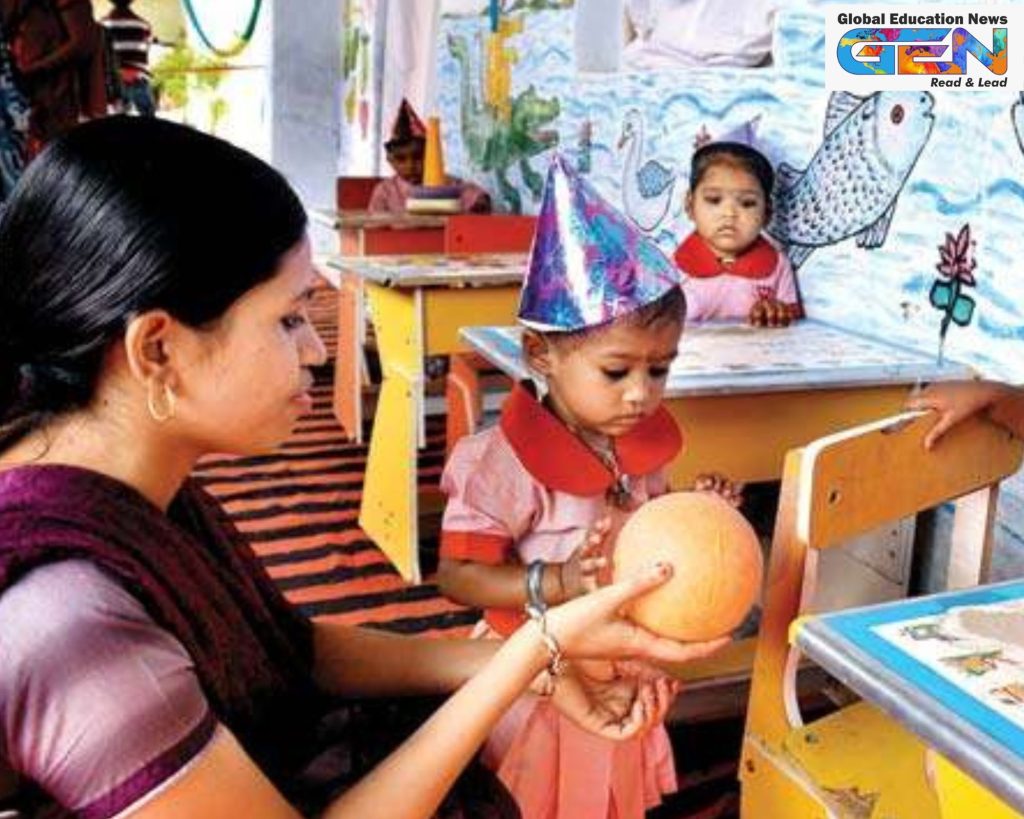
Prabodhak teachers are qualified educators at the L1 or L2 level, trained to teach primary sections and now tasked with bringing structured learning to anganwadi centres. Operating in schools with over five teachers, these educators will teach at anganwadis three to four days a week for an average of 3 hours daily. Using age-appropriate books from the Integrated Child Development Services (ICDS), they’ll deliver lessons and assessments tailored to young learners, ensuring a strong foundation in reading, writing, and math.
- Key Points:
- L1/L2 teachers qualified for primary education to serve as prabodhaks.
- Teach 3-4 days a week, 3 hours daily, using ICDS curriculum.
- Assessments to monitor student progress and teacher effectiveness.
Why This Initiative Matters
This isn’t just about adding teachers—it’s about transforming how Rajasthan’s children start their educational journey. With 61,000 anganwadi centres statewide, the 15,000 co-located with schools are now hubs for early childhood care and education (ECCE). By deploying prabodhak teachers, the state aims to:
- Ease School Transition: Familiarize kids with formal education settings.
- Boost Foundational Skills: Strengthen literacy and numeracy to reduce learning gaps.
- Support NEP 2020: Align with the policy’s goal of universal ECCE by age 6.
As Krishna Kunal, Secretary for School Education, noted, “This ensures children move from anganwadis to schools with confidence, ready for formal education.”
- Key Points:
- Prepares kids for smooth transition to formal schooling.
- Addresses learning gaps through early literacy and numeracy.
- Supports NEP 2020’s universal ECCE framework.
The Power of Female Teachers
Rajasthan’s plan has a heartwarming twist: female teachers are preferred as prabodhaks to create a nurturing environment for young learners. Familiar faces help children feel comfortable, easing their shift from anganwadi play-based settings to structured classrooms. This approach not only supports kids but also empowers female educators, aligning with India’s push for gender equity in education.
- Key Points:
- Female prabodhaks foster a comforting learning environment.
- Familiarity aids children’s transition to formal schools.
- Promotes gender equity in educational roles.
Measuring Success: Assessments and Accountability
How will Rajasthan know it’s working? Through ICDS-designed assessments that track children’s progress in literacy and numeracy. These evaluations will also gauge the effectiveness of prabodhak teachers, ensuring accountability. By analyzing results, the Education Department can refine teaching methods and address gaps, making anganwadis true stepping stones to academic success.
- Key Points:
- ICDS assessments monitor student and teacher performance.
- Data-driven approach to improve teaching quality.
- Ensures anganwadis align with formal education goals.
Challenges to Overcome
While promising, the initiative faces hurdles:
- Teacher Availability: Ensuring enough L1/L2 teachers for 15,000 centres.
- Training Needs: Equipping teachers for ECCE-specific pedagogy.
- Infrastructure: Upgrading anganwadis for structured learning environments.
Despite these, Rajasthan’s proactive approach—building on existing mentor teacher roles—shows commitment. As an X post from @EduMinRajasthan cheered, “Prabodhak teachers are set to transform anganwadi education!”
- Key Points:
- Challenges include teacher availability and training.
- Infrastructure upgrades needed for effective learning.
- Builds on existing mentor teacher framework for success.
Tips for Parents and Communities
Want to support this initiative? Here’s how:
- Engage with Anganwadis: Enroll 5-6-year-olds in local centres and interact with prabodhak teachers.
- Monitor Progress: Discuss assessment results with teachers to track your child’s growth.
- Stay Informed: Follow updates from the Rajasthan Education Department or ICDS portals.
- Advocate Locally: Encourage community participation to strengthen anganwadi programs.
- Key Points:
- Enroll kids and engage with prabodhak teachers.
- Track progress through ICDS assessments.
- Community support enhances program impact.
The Bigger Picture: Rajasthan Leads the Way
Rajasthan’s prabodhak initiative is a shining example of NEP 2020 in action, prioritizing foundational learning to close educational gaps. By integrating anganwadis with schools, the state is setting a model for others, with potential to impact over 1 million children in its 61,000 anganwadis. This aligns with national efforts like NIPUN Bharat, aiming for universal literacy and numeracy by Grade 3. As @PIBJaipur tweeted, “Rajasthan’s prabodhak teachers are a game-changer for early education!”
- Key Points:
- Supports NIPUN Bharat’s literacy and numeracy goals.
- Sets a national model for anganwadi-school integration.
- Impacts over 1 million children statewide.
Join Rajasthan’s Education Revolution!
Rajasthan’s deployment of prabodhak teachers to 15,000 anganwadi centres is a bold step toward empowering young learners. By focusing on foundational literacy and numeracy, this initiative ensures kids are school-ready, fulfilling NEP 2020’s vision. Parents, educators, and communities—get involved! Visit your local anganwadi, support the prabodhaks, and follow updates on rajeduboard.rajasthan.gov.in. Let’s build a brighter future for Rajasthan’s children, one lesson at a time!