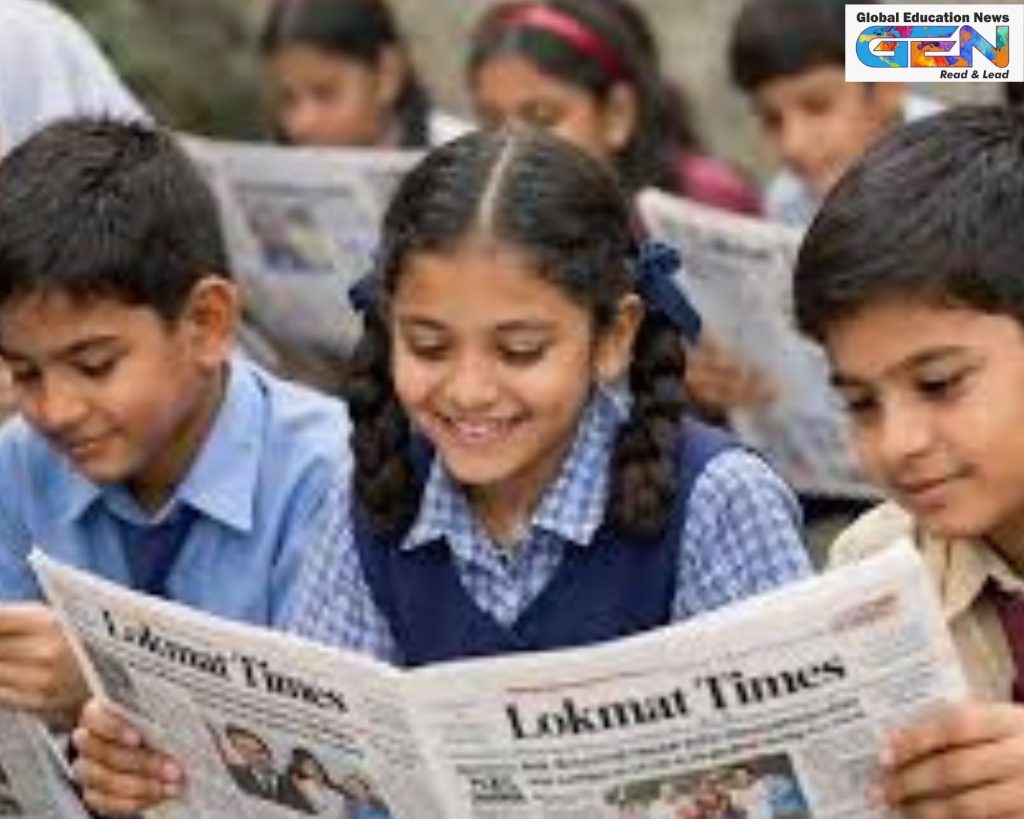
In an era where screens steal the spotlight and attention spans shrink to scrolls, Rajasthan is flipping the script on student learning with a simple, timeless tool: The newspaper. On January 5, 2026, the state government declared daily newspaper reading compulsory in all state-run schools, carving out at least 10 minutes in morning assemblies to ignite young minds with words from the world. This isn’t nostalgic nostalgia—it’s a strategic strike against digital distractions, aiming to weave vocabulary, critical thinking, and global awareness into the fabric of everyday education. From government senior secondary and English-medium schools to upper primary ones, the policy ensures every child engages with one English and one Hindi edition, read aloud and dissected in groups. As Education Minister Madan Dilawar announced, “This will enhance students’ general knowledge, social awareness, and preparation for competitive exams.” Echoing Uttar Pradesh’s similar December 2025 mandate, Rajasthan’s move aligns with NEP 2020’s holistic vision, transforming assemblies from rote routines into riveting reading rituals. But can 10 minutes a day truly tilt the scales against TikTok? Let’s leaf through the details of this page-turning policy and its potential to print a brighter future for Rajasthan’s 1.5 crore schoolchildren.
The Mandate Unveiled: A 10-Minute Ritual for Reading Revival
Rajasthan’s policy is precise and practical, embedding newspaper engagement into the school day’s dawn without overhauling schedules. It targets state-run institutions—government senior secondary, English-medium, and upper primary schools—where 70% of the state’s 1.5 crore students enroll, per 2025 UDISE data.
- Core Requirement: At least 10 minutes during morning assembly for collective reading; one national English newspaper and one Hindi edition mandatory.
- Subscription Specs: Schools must procure at least two papers (one Hindi, one English for senior secondary/English-medium; two Hindi for upper primary). Costs borne by the Rajasthan School Education Council, easing financial strain on institutions.
- Rollout Rationale: Fosters reading habits from a young age, counters screen addiction (with Indian kids averaging 7+ hours daily, per 2025 Nielsen), and builds analytical skills for exams like JEE/NEET.
Dilawar’s directive: “Students will understand and analyze news, raising their social awareness.” It’s a low-lift launch with high hopes—pilots in 100 schools by mid-2026 to gauge uptake.
Implementation Blueprint: From Assembly Reads to Word Workshops
The policy’s playbook is hands-on and hierarchical, ensuring engagement evolves from passive listening to active analysis.
- Daily Dynamics: Rotational reading in assemblies—students take turns voicing headlines, fostering public speaking and pronunciation.
- Word Wisdom: Select five challenging words from papers daily; explain meanings, usage, and contexts to the class—targeting a 20-30% vocabulary boost per semester.
- Group Gab Sessions: Class-wise huddles to discuss editorials, national/international news, and sports—encouraging debate and diverse viewpoints.
- Monitoring Muscle: School heads report compliance quarterly to the department; incentives like “Reading Champion” badges for top schools.
This structure sidesteps overload, integrating seamlessly with NEP’s joyful learning ethos.
| Element | Focus | Tools/Methods |
|---|---|---|
| Assembly Reading | Pronunciation & Fluency | Rotational student-led; Hindi/English mix. |
| Word Selection | Vocabulary Building | 5 words/day; flashcards, quizzes. |
| Group Discussions | Critical Thinking | Editorials, news analysis; moderated by teachers. |
| Subscriptions | Accessibility | Council-funded; 2 papers/school minimum. |
Rationale and Alignment: NEP’s Reading Renaissance Meets Rajasthan’s Roots
The policy’s pulse: Combat the 40% Class 5 reading deficiency (ASER 2025) while prepping for competitive edges—UP’s similar mandate cites 15% GK gains. It dovetails with NEP 2020’s multilingual push, promoting Hindi/English as bridges to broader awareness.
- Screen Time Shield: With 60% kids hooked on mobiles, newspapers nurture focus and fact-checking—vital in a fake-news flood.
- Exam Edge: Builds analytical chops for boards and beyond; Rajasthan’s 2025 Class 10 pass rate (95%) could tick to 98%.
- Cultural Connect: Hindi editions root local lore, while English opens global gates—fostering balanced bilingualism.
Dilawar: “This will prepare students for competitive examinations and raise social awareness.”
UP Parallel: A Neighborly Nod to Newspaper Norms
Rajasthan’s rollout echoes Uttar Pradesh’s December 23, 2025, mandate—10 minutes assembly reading in government schools, with Hindi/English papers and word-of-the-day activities for Classes 9-12. UP adds student newspapers and puzzles, reducing screen time via “No Bouquet, Only Book” campaigns. Both states target 20% reading uplift, proving a pan-India push for print power.
Implications: Lighter Screens, Sharper Minds?
For 1.5 crore students, this could mean 10% better retention and 15% higher engagement—easing teacher loads too (20% time saved). Challenges: Rural paper access (30% gap); mitigated by digital editions. Long-term? A reading revival rivaling Kerala’s 95% literacy.