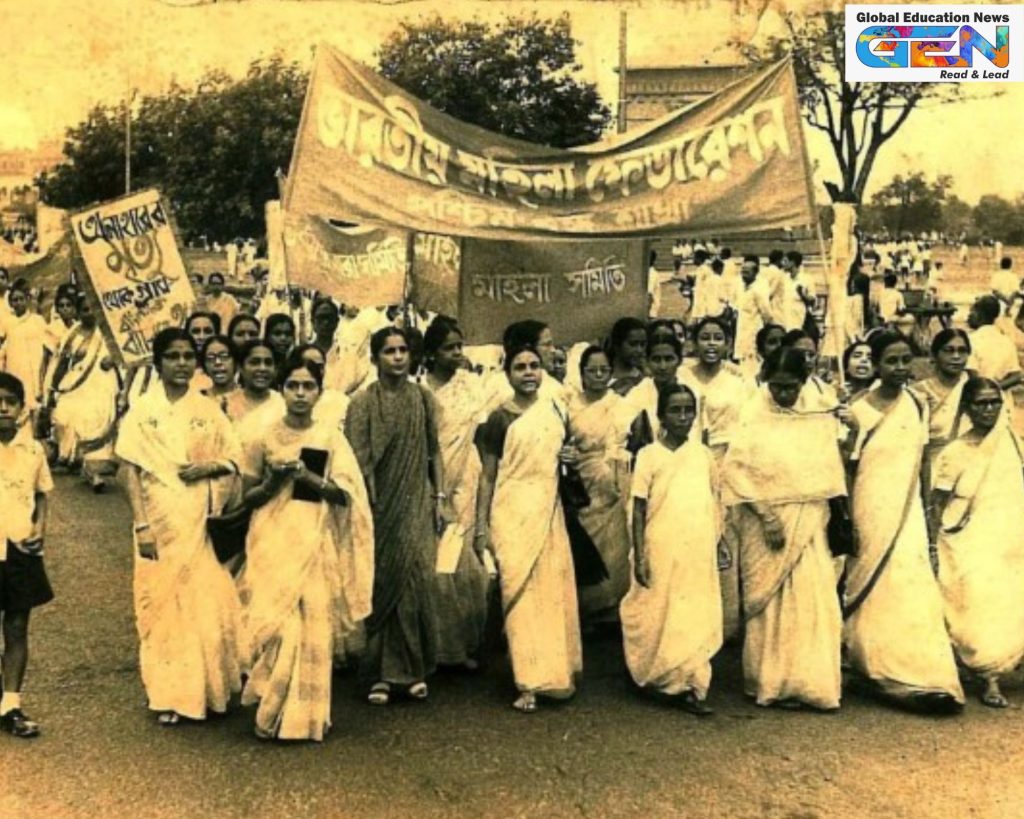
For UPSC Aspirants:-Forging a Nation: The Epic Journey of Unity in Diversity
A Nation Forged Amid Challenges
India’s independence on August 15, 1947, was a monumental achievement, but it marked the beginning of a complex journey to consolidate a diverse nation. For UPSC aspirants, understanding this period is crucial, as it remains a pivotal topic in General Studies I and resonates with current affairs discussions on India’s unity. The post-independence era involved unifying disparate territories, managing linguistic diversity, and addressing socio-economic disparities to build a cohesive Indian state.
Key Points:
- Independence brought the challenge of integrating over 560 princely states and British provinces.
- Leaders like Sardar Patel played a critical role in shaping India’s unity, a topic frequently tested in UPSC exams.
- Linguistic and cultural diversity posed significant hurdles, relevant to current affairs debates on federalism.
Territorial Integration: Uniting a Fragmented Land
At independence, India was a patchwork of British-administered provinces and princely states, each with varying degrees of autonomy. The integration of these territories into a single nation was a cornerstone of post-independence consolidation, a process critical for UPSC aspirants to grasp due to its historical and contemporary significance in current affairs.
Key Points:
- Sardar Patel’s Leadership: As Home Minister, Patel, alongside V.P. Menon, used diplomacy and the Instrument of Accession to integrate most princely states.
- Hyderabad’s Accession: The Nizam’s resistance led to Operation Polo (1948), a swift police action ensuring Hyderabad’s integration.
- Junagadh’s Plebiscite: The Nawab’s attempt to join Pakistan was reversed by a 1948 plebiscite, favoring India.
- Kashmir’s Complex Case: Maharaja Hari Singh’s accession in 1947, amid Pakistani invasion, sparked the first Indo-Pak war, a topic relevant to UPSC current affairs discussions.
Linguistic Reorganization: Redrawing India’s Map
The arbitrary boundaries of British India ignored linguistic identities, leading to demands for states based on language. The States Reorganisation Act of 1956, a landmark in India’s administrative history, is a key focus for UPSC exams due to its impact on India’s federal structure and its relevance to current affairs debates on regionalism.
Key Points:
- Regional Movements: The Andhra movement for Telugu speakers and Samyukta Maharashtra for Marathi speakers drove demands for linguistic states.
- States Reorganisation Commission (SRC): Chaired by Fazl Ali, it recommended reorganizing states along linguistic lines.
- Major Outcomes: Creation of Andhra Pradesh (1953), Kerala, Karnataka, and Tamil Nadu (1956); Bombay split into Maharashtra and Gujarat (1960); Punjab divided into Punjab and Haryana (1966).
- Contemporary Relevance: Linguistic reorganization continues to influence current affairs, with demands for new states like Telangana (2014).
Socio-Economic Consolidation: Building an Inclusive Society
Post-independence India faced the challenge of addressing socio-economic disparities to foster inclusive growth. These efforts, rooted in the Constitution of 1950, are vital for UPSC aspirants, as they connect historical reforms to current affairs topics like social justice and economic development.
Key Points:
- Land Reforms: Abolition of zamindari systems aimed to reduce rural inequalities, a topic relevant to UPSC questions on socio-economic policies.
- Economic Planning: The Planning Commission (1950) and Five-Year Plans drove industrialization and infrastructure growth, influencing modern economic policies.
- Social Justice: Reservations for Scheduled Castes (SCs), Scheduled Tribes (STs), and Other Backward Classes (OBCs) promoted inclusivity, a recurring theme in UPSC current affairs.
- Challenges: Bureaucratic inefficiencies and resistance slowed progress, lessons still relevant today.
Administrative and Political Framework: Strengthening Governance
A unified administrative and political structure was essential for effective governance. For UPSC aspirants, this aspect highlights the evolution of India’s federal system, a topic often linked to current affairs discussions on governance and democracy.
Key Points:
- Indian Administrative Service (IAS): Established to ensure uniform administration, a key area of study for UPSC aspirants.
- Democratic Institutions: The Election Commission ensured free and fair elections, strengthening India’s democratic framework.
- Congress Dominance: The Indian National Congress provided early stability, though one-party dominance sparked debates, relevant to UPSC political science questions.
Challenges and Triumphs: A Resilient Nation
India’s consolidation faced numerous challenges, from Partition-related violence to regional insurgencies. These issues, studied in UPSC syllabi, remain relevant in current affairs, particularly in discussions on national security and unity.
Key Points:
- Communal Tensions: Partition riots tested India’s secular ethos, a topic frequently explored in UPSC exams.
- Regional Challenges: Insurgencies in the Northeast and the Kashmir issue highlight ongoing complexities, critical for current affairs preparation.
- Legacy of Unity: India’s success in forging unity in diversity is a testament to its resilience, a key lesson for UPSC aspirants.
Conclusion: A Dynamic Journey of Nation-Building
India’s post-independence consolidation and reorganization are defining chapters in its history, making them essential for UPSC preparation. From integrating princely states to redrawing linguistic boundaries and fostering socio-economic equity, India’s journey reflects its adaptability and resilience. These efforts continue to shape India’s federal structure and national identity, offering valuable insights for current affairs and UPSC aspirants aiming to understand India’s past and present.