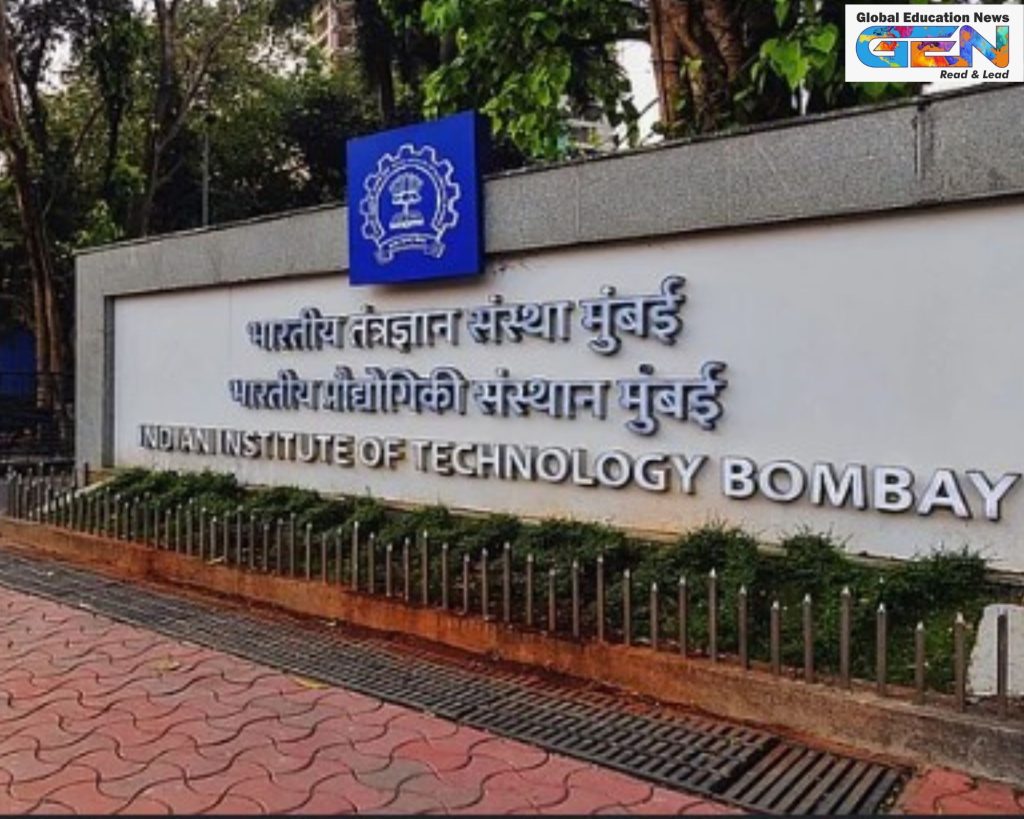
In response to escalating academic pressures and mental health concerns among India’s premier engineering talent, IIT Bombay has pioneered a mandatory wellness initiative for incoming undergraduates. Launched in August 2025 alongside the new academic year, this pass-no-pass (PNP) course embeds holistic wellbeing directly into the curriculum, signaling a cultural pivot toward preventive care over reactive support. By prioritizing emotional resilience from day one, the institute aims to foster not just academic excellence but lifelong flourishing.
Key Points:
- Launch Context: Rolled out for the 2025-26 batch, addressing adjustment challenges like homesickness and high-stakes competition in elite institutions.
- Integration Strategy: Positioned under the National Sports Organization (NSO) framework, ensuring seamless alignment with orientation activities.
- Institutional Backing: Spearheaded by the Student Wellness Centre’s “Flourishing Hub,” funded in part by the 1998 alumni batch donation.
Program Structure: Flexible, Attendance-Based Learning Without the Pressure
The PNP wellness course strips away traditional grading to emphasize participation and personal growth, requiring students to attend four workshops per semester—roughly one every three weeks. Delivered in interactive formats, these sessions avoid exams or assignments, allowing focus on self-discovery and skill-building. This low-stakes model has yielded strong engagement, with sessions hosted by trained facilitators blending expert insights and peer discussions.
Key Points:
- Workshop Topics: Comprehensive coverage including stress management, sleep hygiene, nutrition, substance-use awareness, relationship building, and healthy habits—tailored to real campus stressors.
- Scale and Delivery: 122 workshops reached 1,397 first-year students in the initial phase (August-October 2025), earning an average rating of 4.64 out of 5.
- Digital and Hybrid Access: Supported by the Flourishing Hub’s online resources for broader reach, ensuring inclusivity for diverse student needs.
Broader Ecosystem: Complementary Initiatives for Sustained Impact
Beyond the core course, IIT Bombay is cultivating a vibrant wellbeing ecosystem through alumni-mentored programs and recurring events. This multifaceted approach extends support from classrooms to community spaces, training student peers as mentors to amplify peer-to-peer guidance. The recent National Wellbeing Conclave 2025 (November 22-23), co-hosted with the Ministry of Education, underscored these efforts by uniting 82 institutions to blueprint scalable mental health frameworks.
Key Points:
- Mentor Development: A parallel PNP training course equipped 895 student mentors, achieving a 4.61/5 satisfaction score and building a grassroots support network.
- Weekly Engagements: “Wellness Wednesdays” and “Flourishing Fridays” offer drop-in yoga, meditation, and dialogue sessions; a residential Flourishing Retreat provides immersive recharge opportunities.
- Collaborative Momentum: Alumni involvement, including trained campus mentors, fosters intergenerational wisdom-sharing to normalize mental health conversations.
Impact Assessment: Early Wins and Long-Term Promise
Initial feedback paints a promising picture: high attendance and glowing reviews indicate the program’s resonance with students navigating IIT’s rigorous environment. By embedding wellness as a non-negotiable credit, IIT Bombay is challenging the “survive-and-thrive” dichotomy, potentially reducing dropout risks and boosting retention. Experts anticipate ripple effects, such as 15-20% improvements in self-reported wellbeing metrics, mirroring global benchmarks from similar interventions at institutions like Stanford and MIT. Challenges like scaling for larger cohorts remain, but adaptive feedback loops ensure ongoing refinement.
Key Points:
- Quantitative Gains: Over 2,400 student interactions in six months, with workshops credited for easing transition stress and enhancing life skills.
- Qualitative Shifts: Participants report reignited motivation and reduced isolation, transforming “survival mode” into proactive flourishing.
- National Relevance: Aligns with NEP 2020’s emphasis on holistic education, positioning IIT Bombay as a model for other IITs and engineering colleges.