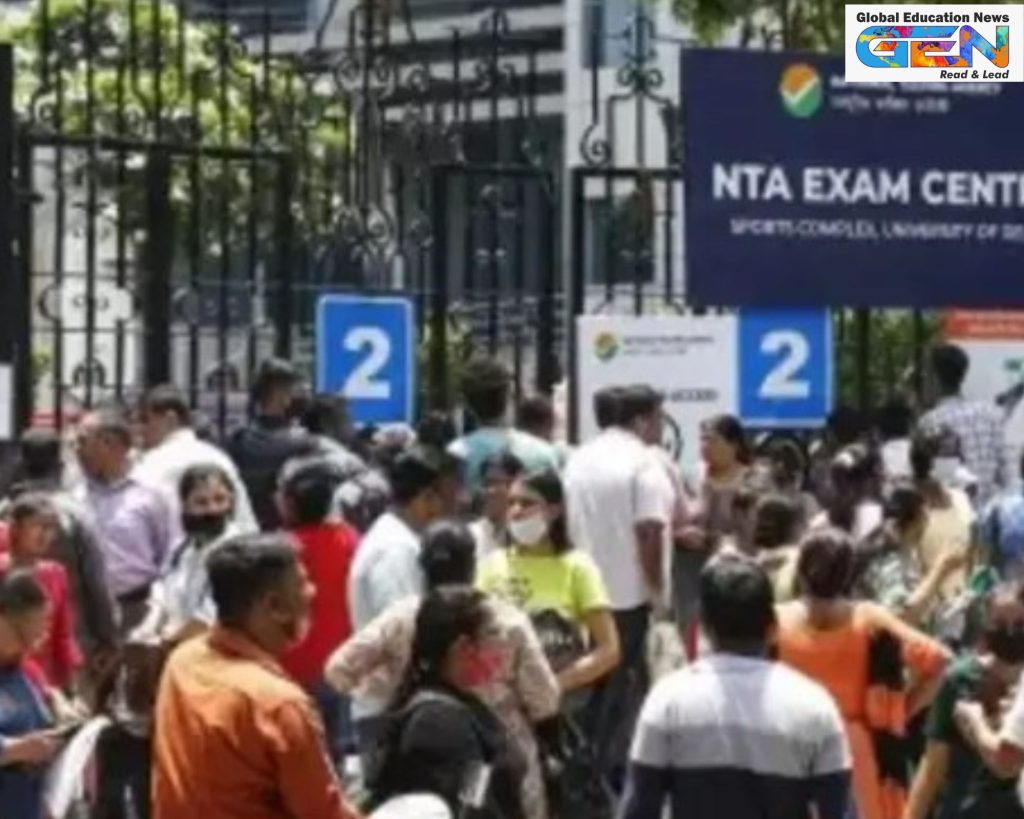
India’s education sector is at a crossroads, with millions of students relying on the National Testing Agency (NTA) for fair access to higher education and professional opportunities. Established in 2017 to streamline national competitive exams, the NTA has instead become synonymous with controversy. In a comprehensive report released in December 2025, a parliamentary standing committee—chaired by Congress leader Digvijay Singh—has lambasted the agency for failing to “inspire confidence” among stakeholders. This critique comes amid high-profile scandals in exams like NEET UG 2024 and UGC-NET June 2024, underscoring the urgent need for NTA reforms to safeguard the future of aspiring doctors, engineers, and researchers.
Background: A Timeline of NTA’s Exam Disruptions
The NTA’s mandate covers major entrance exams such as NEET, JEE Main, UGC-NET, and CUET, serving over 5 million candidates annually. However, recent years have been marred by systemic lapses:
- NEET UG 2024 Controversy: Grace marks awarded to 1,563 candidates due to time loss at exam centers were withdrawn following Supreme Court intervention, forcing retests for 813 students—of whom only one qualified.
- UGC-NET Cancellation: The June 2024 exam was scrapped due to confirmed paper leaks, delaying PhD admissions for thousands.
- JEE Main 2025 Errors: At least 12 questions were dropped from the final answer key owing to factual inaccuracies, eroding result reliability.
- CUET and Other Glitches: Persistent technical failures and postponements have affected over 2.5 million students, amplifying stress and financial burdens.
These incidents highlight a pattern of exam disruptions that not only delay timely results but also exacerbate inequalities, particularly for rural and underprivileged candidates.
Key Criticisms: Where the NTA Falls Short
The parliamentary panel’s 100-page report meticulously documents the agency’s shortcomings, labeling its operations a “systemic failure.” Central concerns include:
- Erosion of Public Trust: Repeated leaks and errors have shattered student confidence, with social media campaigns like #FixNTA gaining traction amid widespread protests.
- Over-Reliance on Digital Modes: The shift to computer-based testing (CBT) has invited vulnerabilities, including server crashes and unauthorized access, unlike the more secure pen-and-paper format.
- Financial Mismanagement: Despite generating a Rs 448 crore surplus over six years, the NTA has underinvested in infrastructure, cybersecurity, and staff training.
- Operational Inefficiencies: Poor vendor oversight and inadequate coordination with exam centers have led to delays in result declarations and grievance redressal.
The panel notes that five out of NTA’s 2024 exams were plagued by major issues, urging a “zero-tolerance” approach to prevent further testing agency failures.
Recommendations: A Blueprint for NTA Reforms
Far from mere censure, the report offers actionable strategies to fortify the NTA’s testing capabilities. Prioritizing transparency and resilience, the panel proposes:
- Hybrid Exam Models: Advocate a return to pen-and-paper exams for high-stakes tests like NEET and JEE to minimize leak risks, supplemented by secure digital options for scalability.
- Infrastructure Upgrades: Allocate surplus funds for AI-driven leak detection, robust cybersecurity, and nationwide training for exam personnel.
- Timeline Enforcement: Mandate timely exams and results with built-in buffers and penalties for delays; aim for result announcements within 30 days.
- Accountability Measures: Establish an independent audit body, a dedicated student grievance portal, and regular performance reviews to ensure error-free NEET results and beyond.
- Equity Focus: Introduce provisions for compensatory support, such as fee waivers for affected candidates from marginalized communities.
Implementing these could transform the NTA into a model of efficiency, aligning with India’s push for digital education under the National Education Policy 2020.
Implications: The Broader Impact on Students and Education
The fallout from NTA’s missteps extends beyond individual heartbreaks—Priya from Lucknow, who lost a semester due to delayed JEE results, represents countless stories of disrupted dreams. Economically, these disruptions cost families lakhs in coaching fees and lost opportunities, while widening the urban-rural divide.
For policymakers, the report signals a pivotal moment: Without swift action, national competitive exams risk becoming a barrier rather than a bridge to meritocracy. Education experts predict that reformed processes could boost enrollment in STEM fields by 20% over the next decade, fostering a more inclusive India’s education landscape.