🌍 A New Era for Indian Higher Education
Key Points:
- UGC directs colleges to reserve up to 25% supernumerary seats for international students.
- Five foreign universities approved to establish campuses in India by 2026-27.
- Aims to position India as a global education hub under NEP 2020.
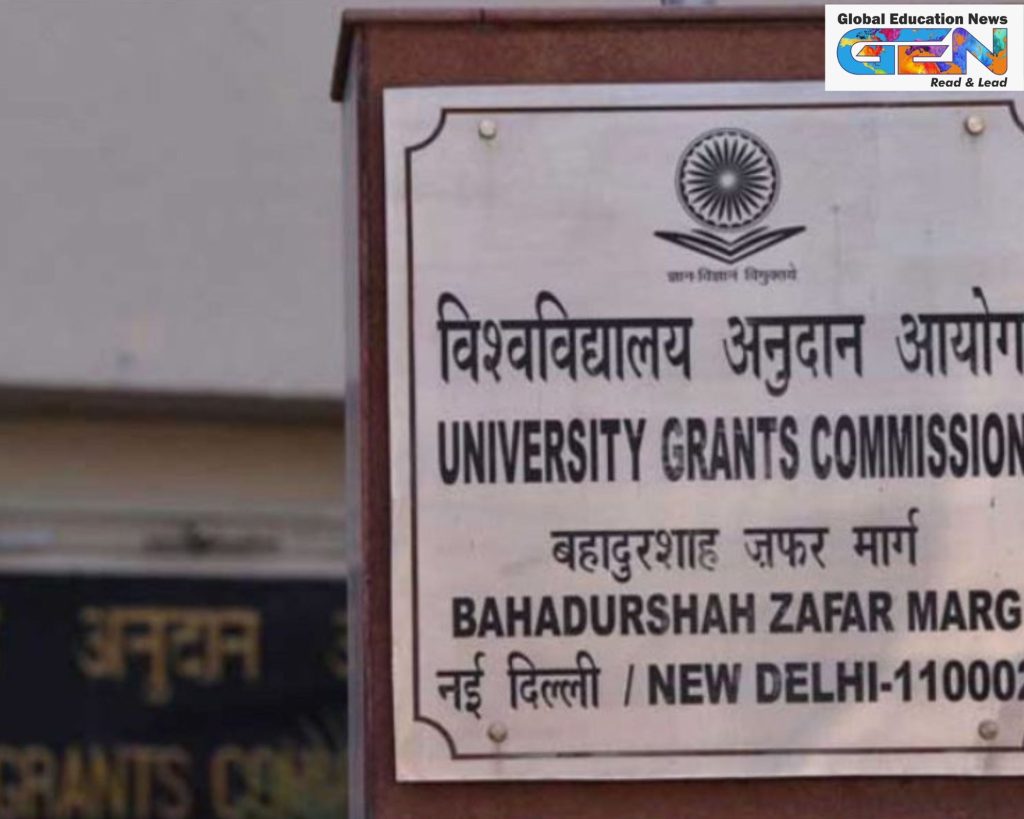
India’s universities are about to get a global makeover. The University Grants Commission (UGC) has rolled out a bold plan to make India a magnet for international students, directing higher education institutions to reserve up to 25% of seats for foreign learners. Coupled with recent approvals for five foreign universities, including the Illinois Institute of Technology, to set up campuses by 2026-27, this move signals India’s ambition to rival global education giants like the U.S. and UK. Imagine bustling campuses where students from across the world study alongside Indian peers, enriching classrooms with diverse perspectives. But is India ready to soar as a global education hub?
🎓 Why International Students Matter
Key Points:
- Foreign students bring cultural diversity and economic benefits.
- India lags behind, hosting only 46,000 international students compared to 1.1 million in the U.S.
- UGC’s plan aligns with National Education Policy 2020’s global vision.
International students aren’t just visitors—they’re catalysts for growth. They bring fresh ideas, global networks, and significant revenue, with countries like the U.S. earning $43.8 billion annually from foreign enrollments. India, with just 46,000 international students compared to the U.S.’s 1.1 million, has long played catch-up. The UGC’s push, rooted in the National Education Policy (NEP) 2020, aims to change that by inviting global talent to study in India’s top institutions. From cultural exchange to boosting local economies, these students could transform campuses into vibrant, global hubs—if the infrastructure and policies align.
🏛️ Challenges on the Horizon
Key Points:
- Indian universities face issues like outdated facilities and bureaucratic hurdles.
- Academic freedom concerns may deter international students.
- High costs and complex visa processes need urgent reform.
The road to global appeal isn’t without bumps. Many Indian universities struggle with outdated infrastructure, understaffed departments, and limited research funding, which could turn off prospective students. Academic freedom is another sore point—political interference and restrictions on research topics, like the UGC’s 2022 push for lectures on “India: The Mother of Democracy,” have sparked concerns about intellectual autonomy. Posts on X highlight fears that rigid visa processes and high education costs could deter foreign applicants, especially when countries like Canada and Australia offer smoother pathways. Can India compete without addressing these gaps?
🚀 Opportunities to Shine Globally
Key Points:
- Foreign university campuses could elevate India’s academic standards.
- Partnerships with global institutions promise cutting-edge programs.
- Focus on STEM and employability can attract career-driven students.
The UGC’s vision isn’t just about filling seats—it’s about raising the bar. By allowing foreign universities to set up shop, India could import world-class curricula and teaching methods, especially in high-demand fields like computer science and engineering. The Illinois Institute of Technology, for instance, plans to offer programs in data science and AI, aligning with global job markets. If executed well, these campuses could draw students from Asia and Africa, positioning India as a cost-effective alternative to Western education hubs. Plus, collaborations with local institutions could spark innovation, making Indian degrees more globally competitive.
🌟 The Path Forward: Making India a Study Destination
Key Points:
- Streamlined visas and affordable fees are critical for success.
- Enhancing campus facilities and academic freedom is non-negotiable.
- India must market its cultural richness and academic potential globally.
To make this dream a reality, India needs more than just policies. Simplified visa processes, affordable tuition, and modern facilities are must-haves to lure international students. Addressing academic freedom concerns, like those raised in debates over government influence on curricula, will build trust. India’s rich cultural heritage and growing startup ecosystem could be powerful draws if marketed smartly. Picture a student from Nigeria or Nepal studying AI in Hyderabad, soaking in India’s vibrant festivals and tech scene. With the right moves, the UGC’s plan could make India a global education powerhouse, one classroom at a time.