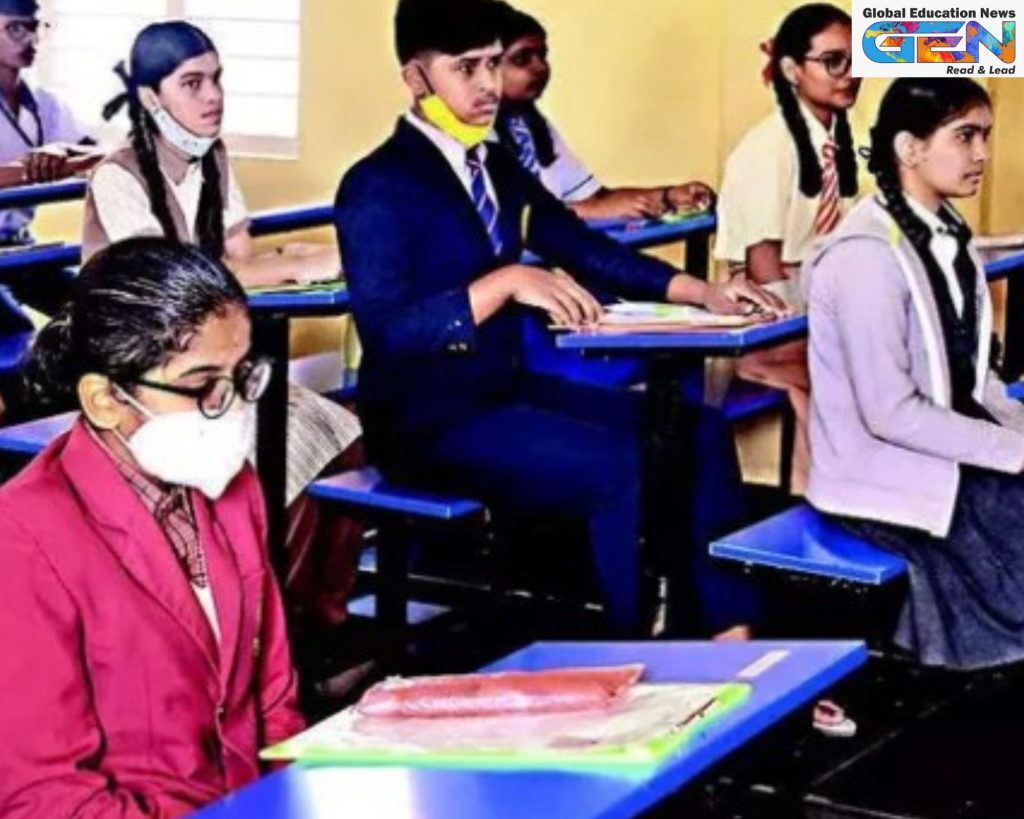
In a delightful nod to the power of words, the Central Board of Secondary Education (CBSE) has launched the Budding Authors Programme, a nationwide initiative to ignite creativity and storytelling among schoolchildren. Announced on January 7, 2026, this program invites students in Classes 5 to 10 to craft and submit original, unpublished short stories in Hindi or English, offering a platform for their imaginative tales to shine. With no participation fees and a structured two-round selection process, it’s designed to foster originality, critical thinking, and narrative skills—core tenets of NEP 2020’s holistic education framework. Selected works will be e-published by CBSE in category-specific compilations, turning budding scribes into published authors. As CBSE Chairman M. Jagadesh Kumar noted, “This programme encourages students to express their unique voices, nurturing the next generation of thinkers and writers.” Amid a digital age where attention spans wane, this literary leap could be the spark that reignites reading and writing passions for over 1 lakh participants. Let’s explore the essentials of this enchanting endeavor and how it could craft confident creators from tomorrow’s classrooms.
Programme Objectives: Fostering Creativity in a Structured Canvas
At its heart, the Budding Authors Programme is more than a writing contest—it’s a catalyst for self-expression, aiming to build skills that transcend exams. By focusing on original narratives, it encourages students to weave personal experiences with imaginative flair, aligning with NEP’s emphasis on experiential learning and emotional intelligence.
- Core Goals: Develop writing proficiency, originality, and critical thinking; provide publication opportunities to boost confidence.
- Target Impact: Engage 1-2 lakh students; e-publications serve as inspirational resources for peers and teachers.
- No Barriers: Zero fees ensure inclusivity across urban-rural divides, with schools as entry points.
Kumar’s vision: “By sharing their stories, students not only hone their craft but also inspire others.” This initiative echoes global programs like the UK’s Young Writers Award, but tailored for India’s multilingual mosaic.
Eligibility and Categories: Tailored for Young Storytellers
The program is accessible yet aspirational, open to all CBSE-affiliated school students in Classes 5-10, with category-wise word limits to match developmental stages.
| Class Category | Word Limit | Language Options | Focus |
|---|---|---|---|
| Classes 5-6 | 500-600 words | Hindi or English | Simple narratives emphasizing imagination and basic structure. |
| Classes 7-8 | 600-900 words | Hindi or English | Stories with character development and plot twists for growing writers. |
| Classes 9-10 | 1,000-1,500 words | Hindi or English | Complex tales exploring themes like identity, society, or adventure. |
- Eligibility Essentials: Enrolled in CBSE schools; original, unpublished work; no prior awards required.
- Inclusivity Angle: Supports diverse voices, with provisions for regional dialects in Hindi submissions.
This tiered approach ensures every age group finds its fit, from whimsical tales to thoughtful tomes.
Submission Process: A Two-Round Journey from School to Spotlight
The programme unfolds in two seamless stages, blending grassroots participation with expert curation to unearth gems without overwhelming schools.
- Round 1: School Level (January 6-31, 2026): Each school appoints a Nodal Officer (one teacher) to coordinate entries. Students submit via school; total participants reported, with the best 12 shortlisted per category. Deadline: January 31, 2026.
- Round 2: National Evaluation (February 3-27, 2026): Shortlisted stories forwarded to CBSE; a panel of subject experts reviews for originality, creativity, and language. Winners announced by March 2026; e-publication follows.
- Submission Specs: Typed manuscripts (PDF/Word); cover page with name, class, school; no illustrations unless integral to story.
No fees, no frills—just pure prose, making it a low-barrier launchpad for literary leaps.
Themes and Guidelines: Crafting Stories That Captivate
While open-ended to spark spontaneity, the programme nudges narratives toward personal growth and creativity, free from rigid prompts.
- Guiding Themes: Original stories that develop imagination; no specific topics—focus on personal narratives, adventures, or social insights to encourage authentic voices.
- Key Guidelines: Unpublished works only; adhere to word limits; promote positive, inclusive messaging aligned with CBSE values.
- Evaluation Rubric: 40% originality, 30% structure/language, 20% creativity, 10% impact—judged by educators and writers.
This freedom fosters flair, with past CBSE literary drives yielding 20% higher engagement in English classes.
Implications: Nurturing Narrators in NEP’s New Era
For 1 lakh+ participants, this could be a confidence catalyst—published stories as badges of bravery, boosting 15-20% writing participation per NEP benchmarks. Schools gain resources; teachers, tools for literacy labs. Nationally, it counters the 25% Class 8 reading dip (ASER 2025), inspiring states like UP.
Challenges: Rural submission access (30% gap); mitigated by school coordinators. Long-term? A wave of young authors enriching India’s literary legacy.