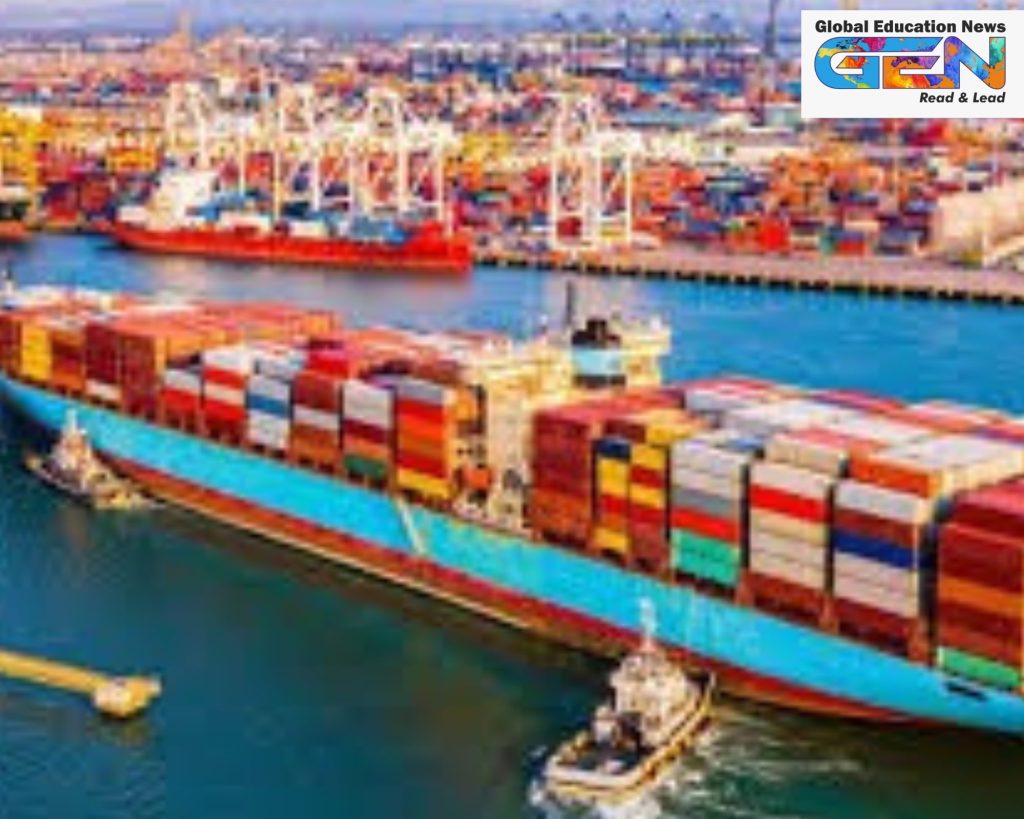
On July 21, 2025, the Rajya Sabha passed the transformative Bills of Lading Bill 2025 through a voice vote, following its approval in the Lok Sabha in March 2025. This landmark legislation, tabled by Union Minister of Ports, Shipping, and Waterways Sarbananda Sonowal, replaces the 169-year-old Indian Bills of Lading Act of 1856, shedding colonial relics for a modern, business-friendly framework. Aligned with the Sagarmala programme, the bill aims to streamline shipping documentation, boost global trade competitiveness, and propel India toward its Viksit Bharat vision by 2047. Ready to explore how this law changes the game for maritime trade? Let’s dive in
- Historic Milestone: Replaces a 169-year-old law with a simplified, globally aligned framework.
- Why It Matters: Enhances efficiency, reduces disputes, and supports India’s shipping ambitions.
- Next Step: Awaits Presidential assent to become law.
What’s a Bill of Lading and Why Modernize It?
A bill of lading is the backbone of international shipping—a legal document issued by a carrier to a shipper, detailing the type, quantity, condition, and destination of goods. It serves as proof of cargo loading, a contract of carriage, and a transferable title of goods. The 1856 Act, a brief three-section law, was outdated for today’s complex global trade. The Bills of Lading Bill 2025 modernizes this framework to meet international standards, streamline processes, and reduce legal ambiguities.
- Core Functions:
- Confirms goods loaded onto a vessel.
- Outlines transport terms and ownership transfer.
- Enables legal clarity for carriers, shippers, and consignees.
- Why Update?: Simplifies language, removes colonial provisions, and aligns with global trade norms.
- Impact: Reduces litigation risks and boosts business efficiency.
Key Provisions: What’s New in the Bill?
The Bills of Lading Bill 2025 introduces pivotal reforms to make India’s maritime sector more competitive:
- Valid Without Shipment: Allows a bill of lading to be valid even if goods haven’t been shipped, facilitating trade flexibility.
- Transfer of Rights and Liabilities: Clarifies how ownership and legal claims pass to consignees or endorsees through endorsement or consignment.
- Simplified Language: Replaces archaic terms with clear, business-friendly provisions.
- Government Empowerment: Includes a clause for the Central Government to issue implementation guidelines.
- Repeal and Saving Clause: Ensures legal continuity while eliminating the 1856 Act’s colonial legacy.
Fun Fact: India handles over 90% of its export-import cargo by volume through maritime routes, making this reform critical for global trade
Sagarmala Synergy: Boosting India’s Ports
The bill aligns with the Sagarmala programme, a flagship initiative launched in 2014 to modernize India’s ports and logistics. Union Minister Sarbananda Sonowal highlighted that 805 projects worth ₹5.5 lakh crore are transforming India’s maritime infrastructure. From 87 million metric tonnes of coastal shipping in 2013-14, capacity has soared to 165 million metric tonnes, with waterways handling jumping from 18 to 145 million metric tonnes. The bill’s streamlined documentation complements these efforts by enhancing port connectivity to railways and roadways, making India a formidable player in global trade.
- Port Modernization: Upgraded facilities and cargo-handling capacities.
- Connectivity Boost: Seamless integration with rail and road networks.
- Global Competitiveness: Positions India as a maritime trade hub.
Parliamentary Debates: Concerns and Safeguards
The bill’s passage wasn’t without drama. The Rajya Sabha approved it via voice vote after the Opposition, including Congress, staged a walkout over unrelated issues like the Pahalgam terror attack. BJD MP Niranjan Bishi raised red flags about Section 4(1), which allows bills to be valid without shipped goods, warning of potential fake bills, fraudulent trading, or hawala-type transactions. Minister Sonowal assured safeguards are in place, with plans for separate legislation on electronic bills of lading (e-bills) to address digital trade needs.
- Fraud Concerns: Risk of misuse due to non-shipped goods provision.
- Government Response: Promises robust checks and future e-bill laws.
- Opposition Walkout: Bill passed despite political tensions.
Social Sentiment: X users like @nijunction and @satyakumar_y celebrated the reform’s alignment with global standards but echoed concerns about accountability.
Exclusion of E-Bills: A Future Step
The bill doesn’t cover electronic bills of lading (e-bills), a growing trend in digital shipping. Minister Sonowal clarified that e-bills require a separate legislative framework due to their complexity. This decision ensures the current law focuses on physical documentation while paving the way for future digital reforms, aligning with global trends toward paperless trade.
- Why Excluded?: E-bills need distinct rules for cybersecurity and verification.
- What’s Next?: A dedicated e-bill law is in the pipeline.
- Global Context: Digital bills are standard in ports like Singapore and Rotterdam.
Impact on India’s Maritime Future
The Bills of Lading Bill 2025 is a cornerstone of India’s maritime ambitions, supporting PM Narendra Modi’s Viksit Bharat vision for a developed India by 2047. By simplifying documentation, reducing disputes, and aligning with international norms, the bill will:
- Boost Efficiency: Streamlined processes cut bureaucratic delays.
- Reduce Litigation: Clearer rules minimize legal disputes for shippers and carriers.
- Enhance Global Standing: Aligns India with maritime leaders, attracting trade and investment.
By the Numbers: India’s ports handled 1,617 million tonnes of cargo in 2023-24, a 5% increase from the previous year, underscoring the need for modern laws.
Challenges and Tips for Stakeholders
While the bill is a leap forward, challenges remain:
- Fraud Risks: Non-shipped goods provision needs strict oversight.
- State vs. Federal Clarity: Concerns over maritime board responsibilities persist.
- Digital Transition: Awaiting e-bill legislation to fully modernize.
Tips for Stakeholders:
- Shippers and Carriers: Study the new provisions at pib.gov.in to ensure compliance.
- Businesses: Leverage streamlined processes to reduce costs and delays.
- Policymakers: Monitor fraud risks and fast-track e-bill legislation.
Setting Sail for a Viksit Bharat!
The Bills of Lading Bill 2025 marks a historic shift for India’s maritime sector, replacing a 169-year-old colonial law with a modern, globally aligned framework. By supporting the Sagarmala programme and enhancing port efficiency, it positions India to “rule the waves” in global trade. Despite concerns about fraud, the government’s commitment to safeguards and future e-bill laws ensures a balanced approach. Visit pib.gov.in for the full notification and join India’s journey to maritime excellence