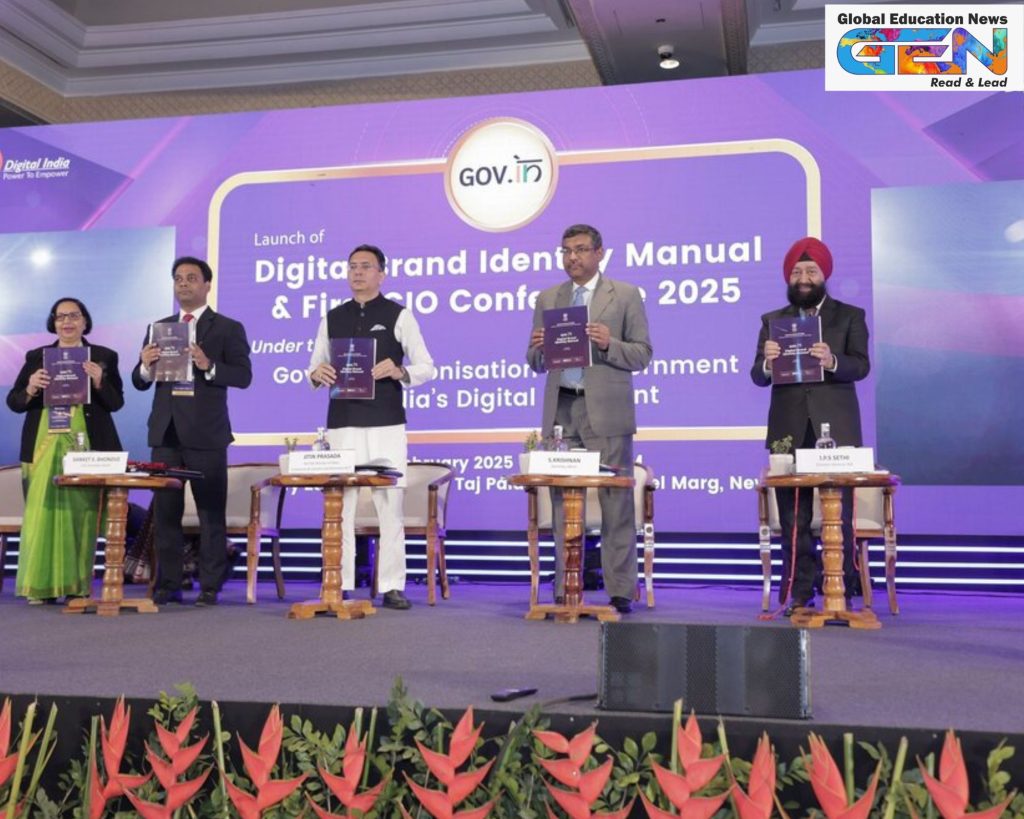
In a transformative leap for India’s Digital India initiative, the National e-Governance Division (NeGD) under the Ministry of Electronics and Information Technology (MeitY) announced on August 31, 2025, the successful integration of 1,938 e-Government services across all 36 states and Union Territories. Platforms like DigiLocker and e-District are driving this revolution, enabling citizens to access critical services—such as birth certificates, welfare schemes, and utility bill payments—digitally, anytime, anywhere. This milestone underscores India’s commitment to equitable, transparent, and efficient public service delivery, setting the stage for a future powered by Artificial Intelligence (AI) and inclusive governance. Here’s an in-depth look at this achievement and its impact on India’s digital landscape.
A New Era of Digital Governance
The integration of 1,938 e-Government services marks a significant step toward paperless governance, reducing bureaucratic hurdles and enhancing citizen convenience. By leveraging platforms like DigiLocker and e-District, NeGD has made essential services accessible 24/7, eliminating the need for physical visits to government offices.
- Key Services Available: Citizens can now access birth and caste certificates, income, domicile, and marriage certificates, welfare scheme applications, and electricity and water bill payments through secure digital portals.
- Nationwide Reach: The integration spans all 36 states and Union Territories, ensuring both urban and rural populations benefit from streamlined services.
- Efficiency Gains: Digital delivery has reduced processing times, with services like certificate issuance now completed in days instead of weeks, as reported by MeitY.
State Leaders Driving the Digital Revolution
The success of this initiative highlights the proactive efforts of several states in embracing digital governance. The top contributors to the 1,938 integrated services include:
- Maharashtra: Leading with 254 services, including property registrations and e-Pass services.
- Delhi: Offering 123 services, such as driving licenses and pension applications.
- Karnataka: Contributing 113 services, with a focus on rural land records and farmer welfare schemes.
- Assam: Integrating 102 services, emphasizing tribal welfare and education certificates.
- Uttar Pradesh: Providing 86 services, covering public distribution systems and health scheme enrollments.
These states showcase India’s diverse yet unified push toward digital readiness, aligning with the Smart Cities Mission and BharatNet initiatives.
Powering the Ecosystem: DigiLocker and e-District
Two flagship platforms, DigiLocker and e-District, form the backbone of this digital transformation, ensuring secure and accessible service delivery.
- DigiLocker: A cloud-based platform with over 150 million users as of 2025, it allows citizens to store and access digital documents like Aadhaar, PAN, and educational certificates. It supports 1,200+ issuer organizations and facilitates seamless verification for education, transport, and legal purposes.
- e-District: Designed for district-level administration, this platform digitizes services like marriage registration and local scheme applications, with 28 states fully onboarded. It empowers rural citizens by bridging the urban-rural digital divide.
- Interoperability: Both platforms integrate with Unified Mobile Application for New-Age Governance (UMANG), offering a single interface for accessing multiple services via smartphones.
The Future: AI-Powered Governance
NeGD is not resting on its laurels. The division plans to leverage Artificial Intelligence (AI) and emerging technologies to further enhance e-Governance, aligning with India’s Digital India Vision 2030.
- Smart Recommendations: AI-driven analytics will provide personalized service suggestions, such as welfare schemes tailored to user profiles.
- Predictive Governance: Machine learning models will anticipate citizen needs, streamlining processes like disaster relief applications.
- Automation for Efficiency: AI will automate approval workflows, reducing delays in issuing certificates or processing claims.
- Inclusive Access: Voice-based interfaces and regional language support will ensure underserved communities, including those in remote areas, benefit from digital services.
Impact on Citizens and Governance
This milestone transforms how Indians interact with their government, fostering transparency and inclusivity.
- Empowering Rural India: With BharatNet providing high-speed internet to over 2.5 lakh gram panchayats, rural citizens can now access e-Gov services via Common Service Centres (CSCs).
- Reducing Corruption: Digital transactions minimize intermediaries, cutting opportunities for bribery, as evidenced by a 30% reduction in reported corruption cases in e-Gov services since 2023.
- Economic Benefits: The shift to digital services has saved an estimated ₹2,500 crore annually in administrative costs, per MeitY reports, freeing resources for development projects.
Challenges and Next Steps
Despite the progress, challenges remain in ensuring universal access and scalability.
- Digital Literacy: Over 40% of rural adults lack digital literacy, necessitating training programs through initiatives like PMGDISHA.
- Cybersecurity: With rising cyber threats, NeGD is collaborating with the National Cyber Security Coordinator to strengthen data protection on DigiLocker and e-District.
- Infrastructure Gaps: Remote areas in states like Arunachal Pradesh and Ladakh require enhanced connectivity to fully leverage e-Gov services.