Published on November 24, 2025
Delhi, India
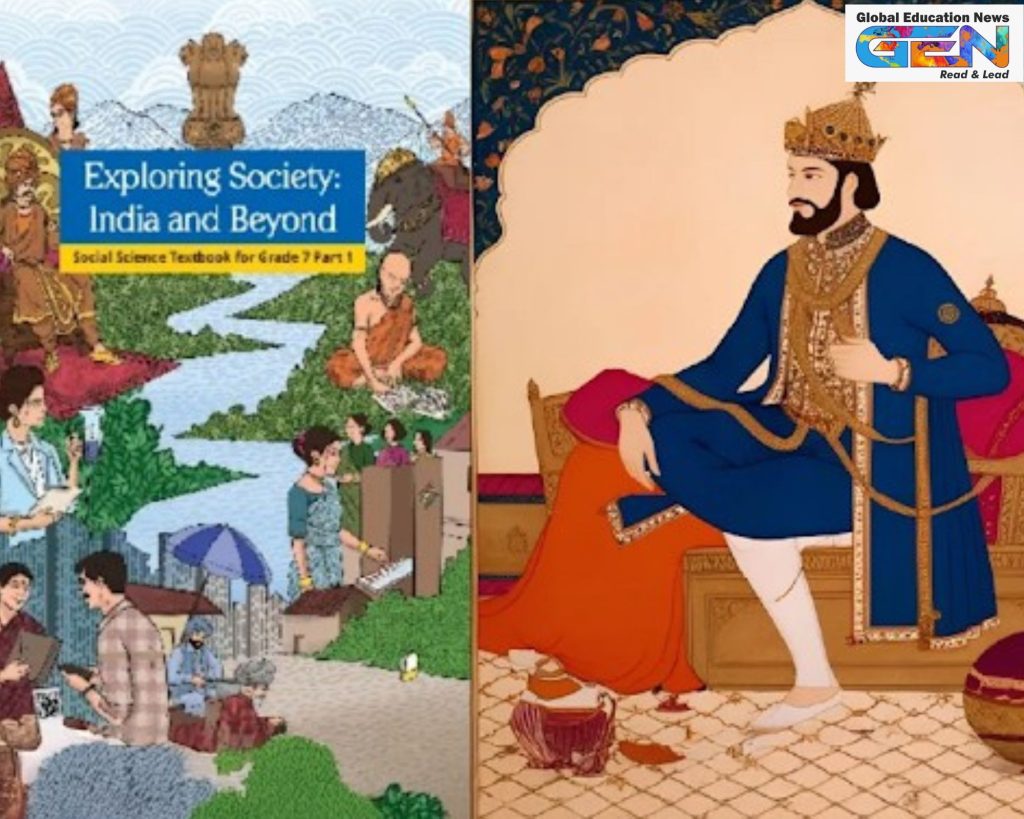
On November 22, 2025, a seemingly minor tweak in India’s school history curriculum exploded into a national political maelstrom. The National Council of Educational Research and Training (NCERT) has reportedly revised textbooks for Classes 6-8, excising the epithet “the Great” from references to Mughal emperor Akbar and Mysore ruler Tipu Sultan. Far from a routine update, this move—flagged by Rashtriya Swayamsevak Sangh (RSS) leader Sunil Ambekar—has polarized the discourse, with the Bharatiya Janata Party (BJP) and RSS championing it as a de-glorification of “tyrants,” while the Congress accuses it of saffronizing history to undermine communal harmony. As revisions extend to higher classes, this episode underscores the high-stakes battle over narrative control in a diverse nation, aligning with the National Education Policy (NEP) 2020’s call for “Indian knowledge systems” yet risking deeper divisions. This analysis unravels the changes, reactions, and ripple effects.
The Revisions Unveiled: What NCERT Changed and Why
NCERT’s updates, part of an ongoing curriculum rationalization, target 11 of 15 school classes, emphasizing factual balance over laudatory phrasing. Ambekar, speaking at an RSS event in Nagpur, detailed the shifts without claiming outright deletions—insisting students must learn from history’s “cruel deeds” to foster national pride.
- Epithet Erasure: Phrases like “Akbar the Great” and “Tipu Sultan the Great” are gone, replaced by neutral descriptors. Akbar’s administrative reforms and religious tolerance are retained but stripped of superlatives; Tipu’s anti-colonial resistance is contextualized alongside alleged atrocities against non-Muslims.
- No Expunging, But Reframing: Earlier controversies, such as the 2023 omission of Tipu and Haider Ali from Class 8 texts, have been revisited. Now, their roles in the Anglo-Mysore Wars are included, but with emphasis on “victimization” under their rule, per RSS interpretations.
- Broader Overhaul Scope: Changes span medieval to modern history, highlighting indigenous contributions like Chola architecture over foreign conquests. NEP 2020’s multidisciplinary ethos justifies this as promoting critical thinking, though critics decry selective negativity.
These edits, rolled out in printed books since August 2025, affect over 25% of India’s 260 million school students, per UNESCO estimates, amplifying their cultural weight.
Political Battle Lines: Endorsements, Outrage, and Inflammatory Rhetoric
The announcement has supercharged partisan divides, with social media and op-eds amplifying the clash. BJP-RSS allies frame it as reclaiming a “distorted” past, while opposition voices warn of ideological hijacking.
- BJP-RSS Triumph: Assam Chief Minister Himanta Biswa Sarma, a vocal proponent, hailed the move on November 23, 2025, with provocative flair: “Tipu-Ipu ko maro… samundar mein phek do” (Beat up Tipu-Ipu… throw him into the sea). He called it a “good correction,” arguing honorifics glorify invaders who imposed jizya taxes and temple destructions. Ambekar echoed this, praising NCERT for enabling youth to “know whom we were victimized by.”
- Congress Counterfire: Party leaders like K. Muraleedharan labeled it a “wrong attitude,” defending Akbar as a “king of communal harmony” for abolishing jizya and patronizing Hindu scholars, and Tipu as a martyr against British imperialism. They contend the edits erode secular legacies, drawing parallels to Shivaji’s unchallenged “Great” status despite his own conquests.
- Expert and Civil Society Echoes: Historians urge nuance, noting “Great” reflects Akbar’s empire-building consensus, not blind praise. Activists fear minority alienation in a year of rising communal tensions, with petitions circulating for an independent review panel.
This rhetoric, trending on X with #AkbarTheGreat and #TipuSultanDebate, has garnered millions of views, underscoring education’s role as a political flashpoint.
Implications for Curriculum and Society: Equity vs. Ideology
Beyond the headlines, these revisions probe deeper questions of how history shapes identity in multicultural India.
| Dimension | Potential Benefits | Key Risks |
|---|---|---|
| Educational Impact | Encourages critical analysis of rulers’ flaws, aligning with NEP’s fact-based learning; reduces rote glorification. | Oversimplifies complex legacies, potentially biasing young minds toward majoritarian views. |
| Social Cohesion | Promotes “decolonized” narratives, empowering regional histories like Mysore’s pre-Tipu era. | Exacerbates Hindu-Muslim divides; Tipu’s Kodava and Mangalorean Catholic persecutions highlighted, but Akbar’s syncretism downplayed. |
| Policy Precedent | Signals NCERT’s responsiveness to feedback, with digital textbooks enabling agile updates. | Lacks transparency—revision committees undisclosed, fueling “saffronization” claims amid BJP’s cultural agenda. |
| Global Lens | Mirrors international trends, like UK’s slavery curriculum reforms, fostering global citizenship. | Isolates India from UNESCO’s pluralistic history standards, risking international critique. |
With 40% of textbooks now revised under NEP, future iterations could integrate diverse sources, but without safeguards, they may entrench polarization.