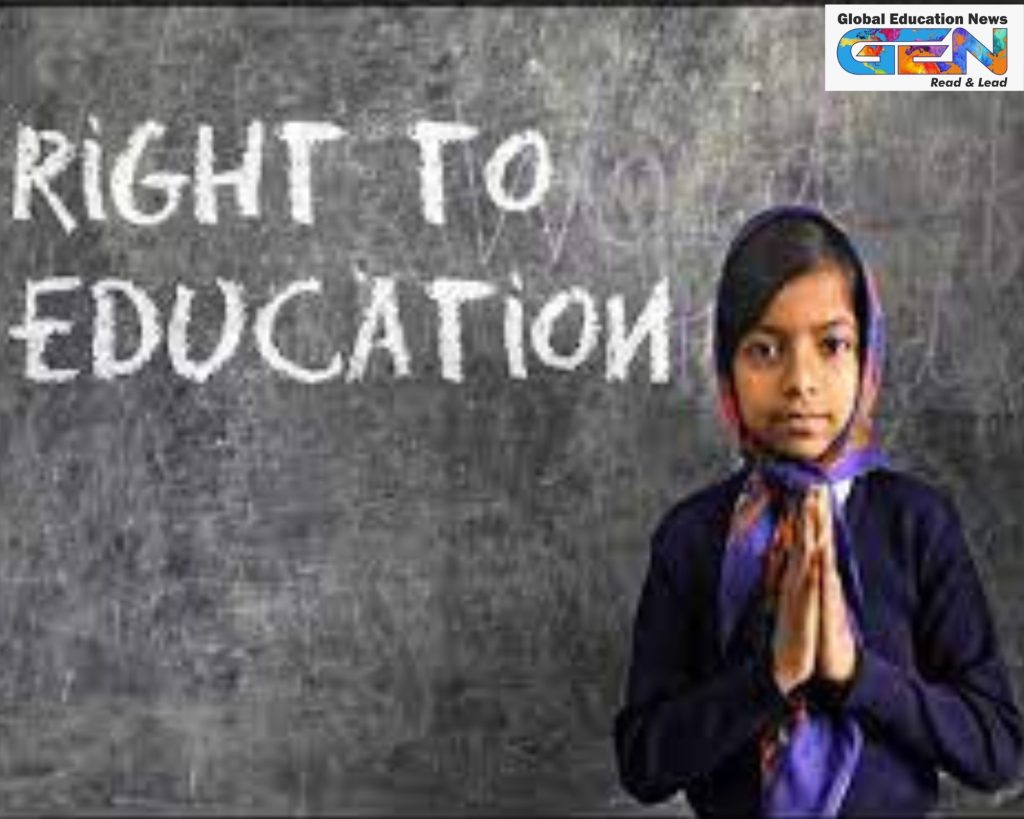
The Right to Education (RTE) Act of 2009 is a cornerstone of India’s commitment to free and compulsory education for children aged 6 to 14. It ensures access to quality schooling, complete with trained teachers, proper infrastructure, books, uniforms, and mid-day meals. However, a 2014 Supreme Court verdict excluded minority schools from these mandates, sparking debates about equality and access.
Key Points:
- The RTE Act guarantees essential educational facilities for all children.
- The 2014 Pramati Educational and Cultural Trust verdict exempted minority schools, citing their autonomy under Article 30 of the Constitution.
- This exemption has led to disparities, with some minority schools lacking RTE-mandated resources.
Why the Supreme Court Is Reassessing the 2014 Verdict
On September 2, 2025, the Supreme Court, led by Justices Dipankar Datta and Manmohan, referred the 2014 verdict to a larger bench, expressing concerns over its unintended consequences. Evidence, including a National Commission for Protection of Child Rights study, suggests that some institutions exploit minority status to bypass RTE regulations, creating a fragmented education system.
Key Points:
- The exemption has led to unequal access to quality education, undermining Article 21A’s vision of universal education.
- Some minority schools fail to provide basic facilities, leaving students without essential resources.
- The court warns that such exemptions dilute the transformative power of shared learning spaces.
The Core Issues: Balancing Minority Rights and Inclusivity
The court’s decision to revisit the 2014 ruling stems from a need to balance minority rights with the broader goal of equitable education. By exempting minority schools, the system risks creating disparities that divide students based on caste, class, or community, contrary to the RTE Act’s inclusive ethos.
Key Points:
- Article 30 grants minorities the right to establish and administer educational institutions, but its application must not undermine universal education.
- The absence of uniform curricular standards in minority schools can disconnect students from national educational frameworks.
- The court highlighted that facilities like mid-day meals are not just amenities but symbols of equality and belonging.
Four Critical Questions for the Larger Bench
To resolve these concerns, the Supreme Court framed four pivotal questions for the larger bench to address, aiming to redefine the relationship between minority schools and the RTE Act.
Key Points:
- Should the 2014 Pramati verdict exempting minority schools be reconsidered?
- Does Section 12(1)(c) of the RTE Act, mandating 25% admission for disadvantaged children, infringe on minority rights under Article 30?
- Was Article 29(2), which prohibits discrimination in admissions, overlooked in the 2014 verdict?
- Should the entire RTE Act be deemed inapplicable to minority schools, or only specific provisions?
Interim Measures: Ensuring Accountability
While awaiting the larger bench’s ruling, the Supreme Court invoked Article 142 to issue temporary directives. These measures aim to uphold educational standards across all schools, including those run by minorities.
Key Points:
- All schools, except minority-run ones, must comply with RTE provisions until the final verdict.
- Teachers with less than five years until retirement are exempt from the Teacher Eligibility Test (TET).
- In-service teachers with over five years to retirement must pass the TET within two years to continue teaching.
The Road Ahead: A Step Toward Educational Equity
The Supreme Court’s move signals a potential overhaul of India’s education system. By addressing the loopholes in the 2014 verdict, the court aims to create a more inclusive framework where minority rights coexist with the right to quality education for all. This case could reshape how minority schools operate, ensuring no child is left behind.
Key Points:
- The ruling could bridge gaps between minority and non-minority schools, fostering shared learning environments.
- It aligns with the constitutional vision of equality and inclusivity.
- Parents and educators await clarity on how minority schools will balance autonomy with RTE compliance.