Published on October 8, 2025
Delhi, India
In the emerald embrace of Manipur’s diverse landscapes, where mist-shrouded hills meet fertile valleys, the Mera Hou Chongba festival unfolds like a living poem of unity. This annual spectacle, symbolizing the unbreakable thread between indigenous hill tribes and valley communities, kicked off with royal pomp in Imphal, reminding all that shared heritage trumps any divide. As tribal chiefs and Meitei elders mingled under the Meitei lunar calendar’s glow, the event pulsed with rituals and rhythms— a vibrant antidote to past tensions, proving culture’s power to heal and harmonize.
The Soul of the Festival: Purpose and Ancient Roots
At its heart, Mera Hou Chongba is more than merriment—it’s a deliberate ode to coexistence, celebrating the collective spirit of Manipur’s people.
- Core Mission: Fosters communal harmony, indigenous pride, and inter-ethnic solidarity, serving as a peacebuilding bridge in a state rich with cultural mosaics.
- Historical Anchor: Traces back to the reign of Nongda Lairen Pakhangba, one of Manipur’s earliest kings, embodying the timeless ideal that hills and valleys form one indivisible family.
- Unique Edge: Stands alone as Manipur’s sole festival uniting all indigenous groups, transcending tribal or regional lines for true inclusivity.
- Lunar Timing: Aligns with the 15th day of the Mera month in the traditional Meitei calendar, blending astronomy with ancestral wisdom.
Spectacle in the Spotlight: This Year’s Grand Unfurling
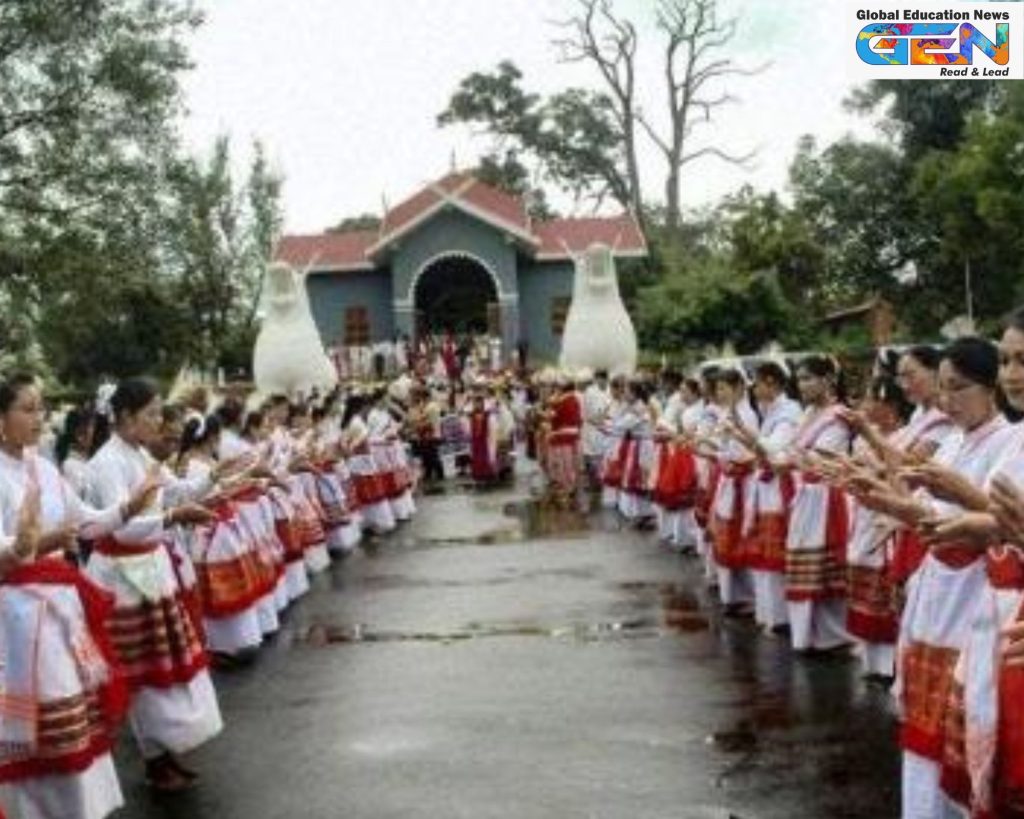
The 2025 edition lit up Imphal with a procession of pageantry, drawing crowds from every corner of the state.
- Epicenter Locations: Launched at the majestic Manipur Royal Palace (Sana Konung), then marched to the sacred Kangla historic site—echoes of royalty in every step.
- Royal Lead: Maharaja Sanajaoba Leishemba, the titular King and Rajya Sabha MP, spearheaded the welcome, receiving hill district tribal village chiefs with ceremonial flair.
- Diverse Drumbeat: Participants hailed from all indigenous communities—hill tribes rubbing shoulders with valley dwellers in a mosaic of ethnic attire and enthusiasm.
- Scale and Scope: A statewide affair, open to every tribe, turning personal pride into a collective crescendo.
Rituals and Rhythms: The Cultural Carnival Unpacked
From dawn’s sacred sips to dusk’s dancing feet, the festival brimmed with traditions that bind hearts and hands.
- Opening Rites: Sacred ceremonies at Sana Konung set a reverent tone, invoking blessings for unity and prosperity.
- Processional Pomp: A ritual march from palace to Kangla, led by the king and tribal elders, symbolizing the journey from division to togetherness.
- Symbolic Gestures: Highlights included Mera Men Tongba (a ritual drink offering for goodwill), Yenkhong Tamba (enactments of brotherhood), and heartfelt gift exchanges between hill chiefs and valley reps.
- Festive Flourish: Capped with folk music, tribal-valley dance fusions, and a lavish communal feast— a sensory symphony of shared stories and smiles.
Unity’s Guiding Light: Significance and Leadership Echoes
In a land laced with ethnic narratives, Mera Hou Chongba emerges as a lighthouse for mutual respect and renewal.
- Harmony Hammer: Reinforces social bonds and shared heritage, spotlighting the brotherhood that hills and valleys have nurtured for centuries.
- Inclusivity Icon: By involving every community, it dismantles barriers, affirming Manipur’s mosaic as its greatest strength.
- Peace Pulse: Acts as a vital platform for solidarity, countering historical inter-community frictions with rituals of reconciliation.
- Timeless Message: Echoes the festival’s ethos: Diversity divides only if we let it—together, we thrive.