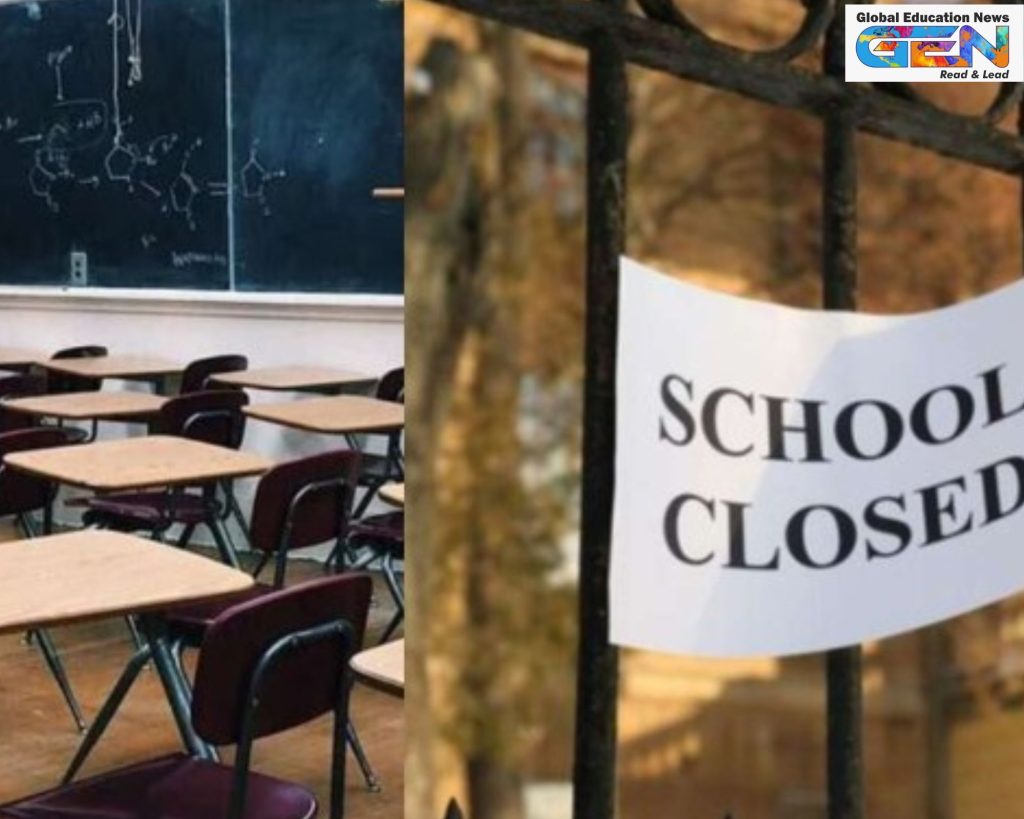
On December 5, 2025, Maharashtra’s education system came to a standstill as thousands of schools across the state closed their doors, disrupting the lives of millions of students and families in what has become one of the largest teacher-led actions in recent history. Orchestrated by a coalition of over 30 teachers’ unions, this statewide bandh protests the mandatory implementation of the Teacher Eligibility Test (TET) following a landmark Supreme Court verdict, while also spotlighting deeper systemic issues like delayed infrastructure grants and flawed school recognition policies. What began as targeted grievances has evolved into a powerful indictment of how top-down reforms can undermine the very educators tasked with nation-building, revealing a tension between standardization goals and the human realities of teaching in under-resourced public schools.
The Roots of the Rift: Unpacking the Supreme Court Verdict
The controversy traces back to the Supreme Court’s November 2024 ruling, which extended TET certification requirements to all in-service teachers handling Classes 1-8 in government and aided non-minority schools, aiming to enforce the Right to Education Act’s quality benchmarks more rigorously. Here’s a breakdown of its core elements and criticisms:
- Policy Intent and Scope: Designed to promote merit-based hiring and uniform teaching standards, the verdict mandates TET for over 4 lakh in-service educators, focusing on primary-level instruction to align with national quality goals.
- Union Backlash: Groups like Shikshak Bhaarti call it an “insensitive one-size-fits-all” approach, ignoring decades of hands-on experience and risking disqualification for 20,000-25,000 veterans who may falter on exam-style assessments rather than real-world skills.
- Regional Challenges: In rural Maharashtra, low pass rates (under 40%) could worsen teacher shortages, turning schools into understaffed shells and ironically undermining the very professionalization it seeks.
- Government’s Response So Far: The state’s plea for exemptions for pre-2013 hires highlights policymakers’ awareness of the ruling’s destabilizing effects on a workforce already strained by vacancies.
This irony—elevating credentials at the expense of proven impact—fuels the fire, as paper tests overshadow the irreplaceable value of seasoned guidance.
Rallying the Ranks: How the Strike Unfolded and What Unions Want
Unions’ decision to call a full-day school shutdown on December 5 transformed simmering frustrations into visible action, with protests unfolding from Mumbai’s bustling BMC institutions to the remote zilla parishad schools of Vidarbha, where demonstrators gathered at district collectorates amid chants of “No TET, No Classes.” Key aspects of the mobilization include:
- Event Scale: Nearly 18,000 schools shut down, impacting over 1 crore students and creating a ripple of empty classrooms from urban centers to rural fringes.
- Primary Demands: Beyond TET exemptions for experienced staff, unions seek repeal of the “Sanch Manyata” funding policy (which penalizes under-resourced rural schools) and faster rollout of Aadhaar censuses plus infrastructure grants.
- Tactical Smarts: The one-day bandh limits long-term academic harm while boosting visibility through marches, petitions, and social media, drawing in non-teaching allies for broader solidarity.
- Strategic Gains: By tying TET to systemic inequities, the action evolves isolated complaints into a unified push, potentially extending leverage if pressure mounts.
This calculated unrest not only disrupts but educates, spotlighting how funding gaps and rigid rules hobble public education’s potential.
Caught in the Crossfire: Voices from Parents, Students, and Officials
The band’s immediate fallout has ensnared parents and students in a whirlwind of uncertainty, with frantic checks on school statuses giving way to improvised home learning amid spotty internet access in 60% of rural households, underscoring how such actions, while justified, inadvertently compound the digital divide plaguing post-pandemic recovery. Perspectives from the ground reveal a divided landscape:
- Family Struggles: Parents juggle sudden childcare with patchy online backups, as no official holiday means unannounced makeup days and heightened stress in low-connectivity areas.
- Public Divide: Around 55% support TET for better teaching quality, but 70% decry the chaos on daily life, often sympathizing with overworked educators facing 50+ students in subpar facilities.
- Official Stance: Salary deduction threats and pleas for open schools met low compliance (just 10-15% operational), deepening distrust as “student-priority” talk clashes with teachers’ foundational role.
- Historical Parallels: Echoing 2022 pension fights, initial crackdowns may yield to talks, hinting at possible evening breakthroughs for phased TET rollouts.
These voices paint a vivid trust gap, where empathy for teachers battles frustration over interrupted learning.
Looking Ahead: What This Means for India’s Education Future
Beyond the placards and closed gates, this TET-fueled protest in Maharashtra echoes national conversations under the National Education Policy 2020, where competency-driven evaluations clash with the lived challenges of 1.5 crore Indian educators, potentially accelerating a brain drain to private sectors if unresolved. Forward-looking insights include:
- Economic Risks: Mass disqualifications could hike unemployment by 0.5% in key districts, burdening welfare while eroding public school appeal.
- Reform Ideas: Hybrid fixes like experience-weighted TET scores or AI-driven training could bridge accountability and morale, fostering inclusive upgrades.
- National Ripples: Neighboring states are eyeing outcomes; a win here might reshape NCTE rules by mid-2026, with data showing 65% success for quick-mediated agitations.
- Core Lesson: This push reframes strikes as catalysts for evolution, urging reforms that uplift rather than alienate, keeping education as an equalizer.