Published on October 29 , 2025
Delhi, India
Madhya Pradesh is poised to overhaul its government hiring landscape with a groundbreaking single entrance examination system, directly inspired by the Union Public Service Commission’s (UPSC) streamlined model. Announced by Chief Minister Dr. Mohan Yadav, this initiative replaces the fragmented array of Madhya Pradesh Public Service Commission (MPPSC) exams, which have long plagued the process with delays, redundancies, and inefficiencies. The reform promises a merit-based, transparent pathway to fill thousands of vacancies, starting with a massive push in the police sector.
- Core Objective: Consolidate all departmental recruitments into one comprehensive test to cut timelines from notification to appointment, fostering uniformity and public trust.
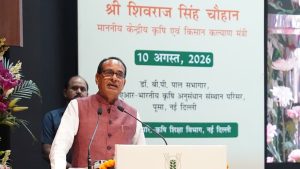
- Announcement Context: Revealed during a high-profile ceremony, the move aligns with broader administrative reforms, including pay anomaly resolutions and digital hiring drives.
- National Alignment: Modeled on UPSC’s single-window approach, it adapts central efficiency to state needs, potentially setting a template for other regions grappling with similar bottlenecks.
- Current Status: Planning phase underway; existing processes, like MP SET 2025 registrations (open until November 20, 2025), continue uninterrupted.
This shift marks a pivotal step toward modernizing Madhya Pradesh’s employment ecosystem, emphasizing speed, fairness, and resource optimization in a state hungry for skilled public servants.
Key Drivers: Tackling Delays and Vacancy Backlogs
The decision stems from chronic issues in the current multi-exam setup, where separate tests for each department lead to overlapping preparations, prolonged cycles, and unfilled posts. With over 20,000 police vacancies staring down the barrel, the unified system emerges as a targeted fix, but its scope extends to all sectors, from education to administration.
- Vacancy Spotlight: Aims to clear 20,000+ police positions within three years, addressing security gaps while extending to broader departmental needs like Anganwadi roles.
- Efficiency Gains: Reduces administrative overhead by eliminating redundant evaluations, potentially halving recruitment time and slashing costs on repeated exam logistics.
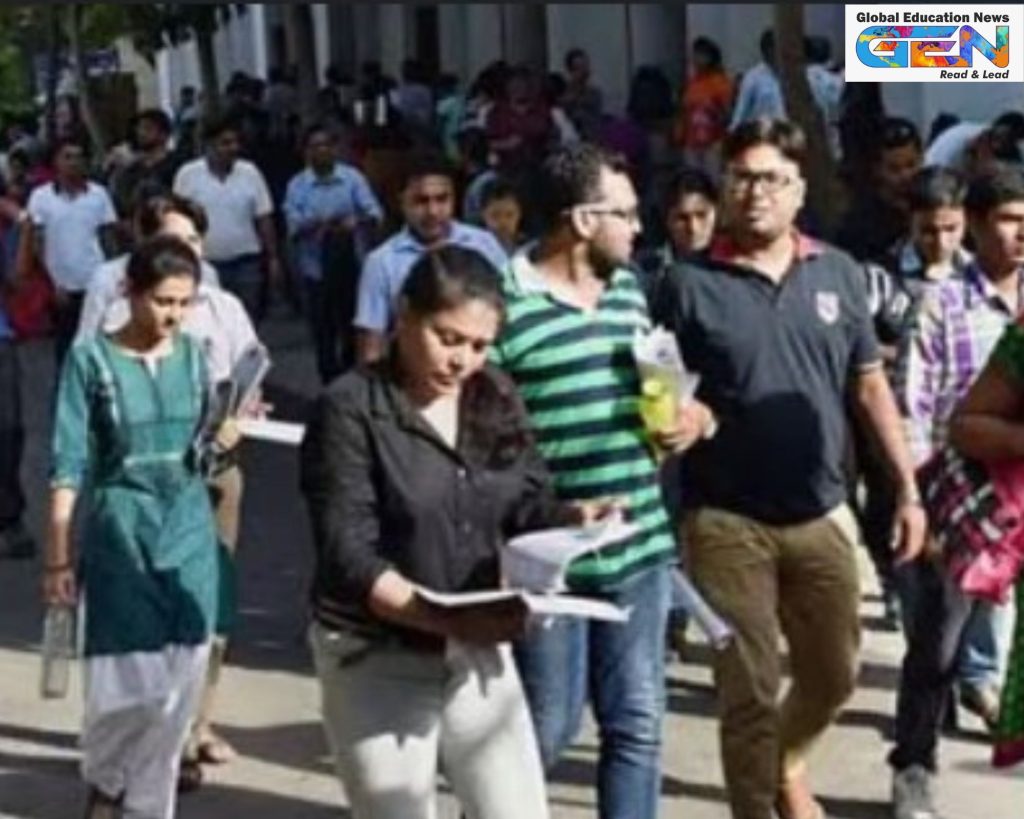
- Aspirant Relief: One exam means unified syllabus preparation, lower financial burdens from multiple attempts, and equal opportunities across categories.
- CM’s Vision: Dr. Yadav underscored, “Multiple exams drain time and resources; a single system ensures transparency and swift appointments,” highlighting the human cost of delays on youth employment.
By centralizing the process, Madhya Pradesh seeks to mirror UPSC’s success in producing consistent, high-caliber talent without the chaos of siloed selections.
Exam Structure and Implementation Roadmap
Drawing from UPSC’s proven framework, the new exam will feature a multi-stage format to assess candidates holistically, blending objective testing with subjective depth. While final blueprints are in development, early outlines suggest adaptability for diverse roles, from entry-level clerks to senior officers.
- Proposed Stages: Preliminary screening (objective MCQs on general studies), Mains (descriptive papers on core subjects), and Interview/Personality Test—echoing UPSC’s rigor.
- Eligibility Framework: Open to graduates and equivalents; reservations for SC/ST/OBC/EWS as per state norms, with age relaxations for reserved categories.
- Timeline Milestones: Rollout expected in early 2026 post-pilot; a dedicated oversight committee, possibly led by a retired IAS officer, to refine guidelines and monitor fairness.
- Tech Integration: Digital application portals and AI-assisted evaluation to minimize errors, building on recent successes like the online drive for 19,504 Anganwadi positions.
- Phased Rollout: Initial focus on high-vacancy sectors like police and education; full integration across 50+ departments within 18-24 months.
Implementation will involve stakeholder consultations to iron out sector-specific tweaks, ensuring the model doesn’t compromise on specialized skill assessments.
Benefits and Broader Impacts: Empowering Aspirants and the Economy
Beyond streamlining, this reform promises ripple effects on Madhya Pradesh’s youth, economy, and governance. It positions the state as a forward-thinking leader, potentially inspiring neighbors like Rajasthan and Uttar Pradesh to adopt similar consolidations.
- For Aspirants: Simplified prep with shared resources; reduced stress from exam overload; faster feedback loops for reattempts, boosting success rates by 20-30% based on UPSC benchmarks.
- Economic Boost: Quicker onboarding fills critical roles, enhancing service delivery in health, education, and law enforcement—vital for a state with 7.5% unemployment among graduates.
- Equity Enhancements: Uniform standards curb nepotism allegations; linked reforms like a single pension system for post-2005 hires promote long-term retention.
- Challenges Ahead: Potential initial teething issues in syllabus alignment; need for robust infrastructure to handle surge in applications (projected 5-10 lakh annually).
Experts view this as a “democratizing force,” arguing it levels the playing field for rural candidates who previously juggled multiple urban-center exams.
Looking Ahead: A Blueprint for National Recruitment Reform
Madhya Pradesh’s single-exam pivot isn’t just administrative housekeeping—it’s a bold bet on efficiency to fuel Atmanirbhar Bharat at the grassroots. As the state commissions expert panels for pay parity and promotions, the unified test could evolve into a gold standard, blending UPSC’s prestige with local relevance.
- Inspirational Precedent: Similar to Uttar Pradesh’s recent consolidations, but with a sharper UPSC lens, it could reduce interstate migration for coaching.
- Monitoring Success: KPIs include vacancy fill rates (target: 80% annually) and aspirant satisfaction surveys post-launch.
- Call to Action: Youth forums urge early syllabus previews; government hints at free online mocks to aid transitions.