Nestled in the rural heartland of Jaunpur district, Madhopatti is an unassuming hamlet with uneven roads, sporadic electricity, and no fancy coaching institutes. Yet, this tiny village of 4,000 residents has earned the title of India’s “IAS Factory”, producing over 50 civil servants, including IAS, IPS, IRS, and IFS officers, over the past century. With no formal infrastructure, Madhopatti’s story is a testament to the power of community mentorship, grit, and collective ambition, inspiring UPSC aspirants nationwide.
Key Points:
- Madhopatti, a small village in Jaunpur, Uttar Pradesh, with just 75 households, has produced over 50 civil servants.
- No coaching centers, libraries, or elite schools—yet a century-long legacy of IAS, IPS, IRS, and IFS officers.
- The village’s success stems from a culture of aspiration and community-driven mentorship.
The Spark of a Century-Old Legacy
Key Points:
- The journey began in 1914 with Mohammad Mustafa Hussain, the village’s first civil servant under British rule.
- By 1952, Dr. Indu Prakash Singh became the first IFS officer, setting a precedent for future generations.
- Families like the Singh brothers—Vinay, Chatrapal, Ajay, and Shashikant—have multiple siblings in high-ranking positions.
The Madhopatti phenomenon started in 1914 when Mohammad Mustafa Hussain cracked the civil services exam, igniting an aspirational wildfire. By the 1950s, Dr. Indu Prakash Singh secured a remarkable second rank in the UPSC, becoming an IFS officer and later an ambassador. His four brothers followed, all joining the administrative services, cementing a tradition where UPSC success became a family and village legacy. This ripple effect continues, with each success story fueling the dreams of the next generation.
Community Mentorship: The Secret Sauce
Key Points:
- No coaching hubs—senior officers mentor juniors with books, notes, and strategies.
- Aspirants start preparing early, blending Hindi-medium schooling with self-study in English.
- Families and the village celebrate every UPSC success, fostering a culture of shared ambition.
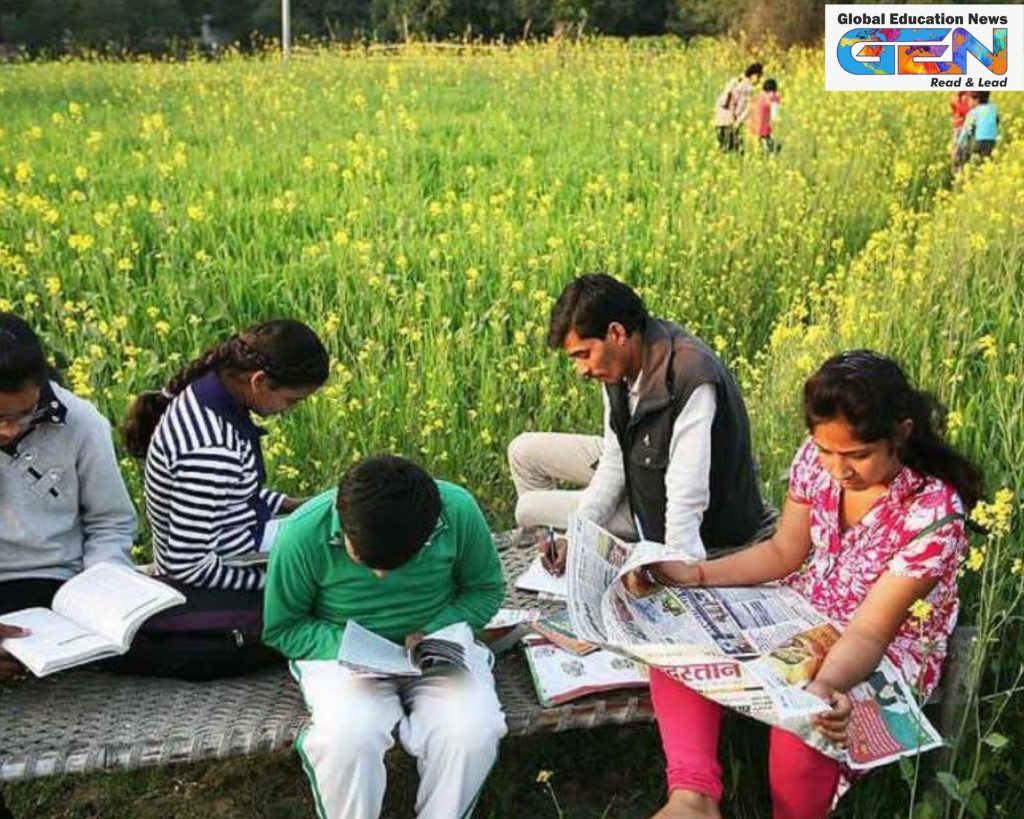
Unlike urban UPSC hubs like Delhi’s Mukherjee Nagar, Madhopatti thrives on a unique model of peer mentoring. Senior civil servants guide younger aspirants, sharing resources and strategies. Families play a pivotal role, with siblings studying together and parents encouraging multiple attempts. As one local officer put it, cracking the UPSC here is like joining a “family business” of public service. This community-driven education has turned Madhopatti into a powerhouse, proving that mentorship can outshine formal infrastructure.
Triumph Over Adversity
Key Points:
- Poor infrastructure—broken roads, rare buses, and patchy electricity—poses significant challenges.
- The nearest coaching center is miles away, forcing reliance on self-study and local support.
- The village’s success highlights the power of self-reliance and collective determination.
Madhopatti’s achievements are extraordinary given its challenges. With no reliable roads, scarce public transport, and erratic power, the village has little to offer in terms of modern facilities. Yet, these constraints have fostered a self-reliant system where ambition thrives. The lack of coaching centers has pushed aspirants to lean on community wisdom, making Madhopatti a beacon of hope for rural youth aiming for the UPSC exam.
Beyond the IAS: A Broader Impact
Key Points:
- Madhopatti’s talent extends to ISRO, Bhabha Atomic Research Centre, and the World Bank.
- Daughters and daughters-in-law are also excelling, breaking gender barriers in civil services.
- The village’s legacy inspires a tradition of excellence across diverse fields.
While Madhopatti is celebrated for its IAS and IPS officers, its reach goes further. Villagers have made their mark in prestigious institutions like ISRO, BARC, and the World Bank, showcasing a remarkable range of achievements for a village of its size. The inclusion of women in this legacy—daughters and daughters-in-law clearing UPSC—highlights a progressive shift, making Madhopatti a symbol of inclusive success.
The Per Capita Phenomenon
Key Points:
- With only 75 households, Madhopatti’s officer-to-population ratio is unmatched.
- Many Indian districts with larger populations fail to produce as many civil servants.
- The village’s density of achievement underscores its unique culture of aspiration.
Madhopatti’s 50+ officers may seem modest, but for a village of 4,000, it’s a per capita miracle. Many larger districts struggle to match this record over decades. The village’s success density—where nearly every family boasts a civil servant—sets it apart as a model of what rural education can achieve with the right mindset.
A Bittersweet Reality
Key Points:
- The village’s “brain drain” benefits the nation but leaves Madhopatti underdeveloped.
- Officers’ postings across India limit their ability to funnel resources back home.
- Residents express pride but also regret over the lack of local development.
Ironically, Madhopatti’s success has not translated into local progress. Service rules and distant postings prevent officers from directly improving their village’s infrastructure. Resident Rannvijay Singh voiced this sentiment, noting that while officers have brought fame to Madhopatti, the village itself remains neglected. Yet, its story continues to inspire rural youth, proving that UPSC dreams are within reach.
A Legacy That Inspires
Key Points:
- Madhopatti’s story is shared in coaching centers as proof that mindset trumps resources.
- Young aspirants continue the tradition, studying under dim lights with big dreams.
- The village embodies the power of grit, tradition, and community-driven learning.
Madhopatti is more than an “IAS Factory”—it’s a symbol of possibility. Its story resonates across India’s Hindi heartland, where civil services represent prestige and stability. Young aspirants walk the same dusty roads, fueled by the knowledge that dozens before them succeeded without privilege. Madhopatti proves that determination and mentorship can build a legacy stronger than any infrastructure.