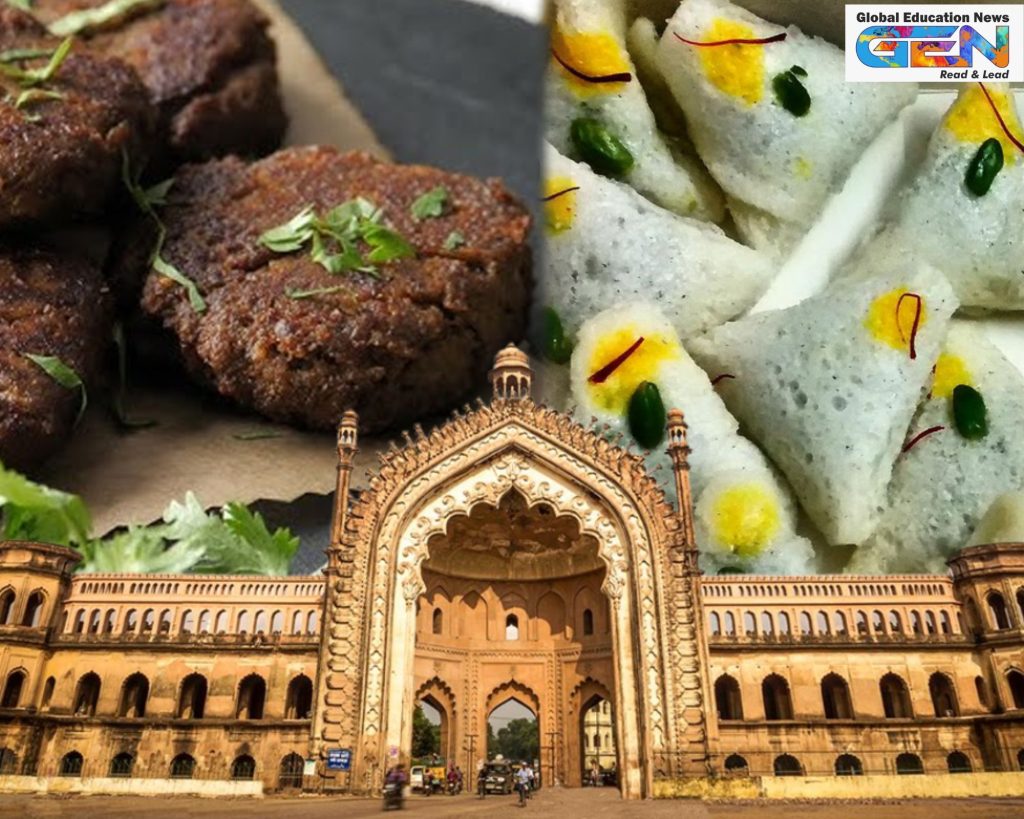
In a landmark achievement for Indian culinary diplomacy, Lucknow has been officially designated a UNESCO Creative City of Gastronomy as of October 31, 2025. This honor, announced at the 43rd UNESCO General Conference in Samarkand, Uzbekistan, underscores the city’s enduring legacy of Awadhi cuisine—a symphony of royal flavors born from centuries of cultural fusion under the Nawabs. As India’s ninth entry in the UNESCO Creative Cities Network and second for gastronomy after Hyderabad, this recognition spotlights Lucknow’s role in blending tradition with innovation, fostering sustainable food practices, and inviting global food enthusiasts to savor its kebabs, biryanis, and sweets.
Contents
Announcement and Nomination Process
- Official Declaration: UNESCO’s endorsement came during its 43rd General Conference, validating Lucknow’s nomination submitted by the Government of India on March 3, 2025, following a detailed dossier from Uttar Pradesh’s Directorate of Tourism on January 31, 2025.
- Collaborative Effort: The bid involved state tourism officials, local chefs, heritage experts, and artisans, emphasizing the city’s diverse food traditions, sustainable sourcing, and community-driven culinary evolution.
- Global Context: Lucknow joins over 350 cities in the UNESCO Creative Cities Network (launched in 2004), which promotes culture-led sustainable development across seven fields, including gastronomy—now home to fewer than 70 such cities worldwide.
Significance of Awadhi Cuisine in Lucknow’s Heritage
- Historical Roots: Awadhi cuisine traces its origins to the 18th-century Nawabi courts, embodying Ganga-Jamuni tehzeeb—a harmonious blend of Hindu and Muslim culinary influences through slow-cooking techniques, aromatic spices, and meticulous presentation.
- Cultural Symbolism: It represents Lucknow’s identity as a melting pot of innovation and refinement, with recipes passed down generations that highlight seasonal ingredients, ethical meat preparation, and vegetarian adaptations.
- Global Spotlight: The designation elevates Awadhi dishes from local favorites to international icons, reinforcing India’s soft power through food and aligning with NEP 2020’s emphasis on cultural preservation in education and tourism.
India’s Growing Presence in UNESCO Creative Cities
- Current Lineup: With Lucknow’s addition, India boasts nine cities: Jaipur and Srinagar (Crafts and Folk Art), Varanasi and Chennai (Music), Mumbai (Film), Gwalior (Music), Kozhikode (Literature), Hyderabad (Gastronomy), and now Lucknow—showcasing diverse creative strengths.
- Network Benefits: Membership fosters cross-city collaborations, such as joint festivals or knowledge exchanges, positioning Indian cities as hubs for global cultural innovation.
- Broader Impact: This milestone strengthens India’s bid for more recognitions, highlighting regional heritages and supporting economic growth through creative industries.
Iconic Awadhi Dishes: 10 Must-Try Culinary Gems
- Tunday Kababi: Legendary melt-in-the-mouth kebabs crafted from minced meat and over 100 spices, a staple from historic eateries.
- Galouti Kebab: Silky-soft, spice-infused patties originally designed for a Nawab with delicate teeth, paired with sheer parathas.
- Lucknawi Biryani: Aromatic layers of basmati rice, tender meat, and subtle saffron—regal, not spicy, for an elegant feast.
- Nihari: Dawn-time mutton stew slow-cooked overnight, rich with bone marrow and hearty spices evoking Mughlai grandeur.
- Seekh Kebabs: Smoky, grilled minced meat skewers served with mint chutney, embodying street-side perfection.
- Sheermal: Saffron-kissed, mildly sweet naan that complements kebabs with its buttery, royal texture.
- Mutton Korma: Creamy, spiced gravy enveloping tender mutton, showcasing Awadhi slow-simmer artistry.
- Tokri Chaat: Crispy potato baskets overflowing with tangy yogurt, chutneys, and spices—a vibrant street food delight.
- Malai Makhan: Winter’s airy delight of frothed milk and saffron, light and indulgent like fresh cream clouds.
- Kulfi Falooda: Chilled, nutty ice cream layered with vermicelli and rose syrup, a sweet finale to any Awadhi meal.