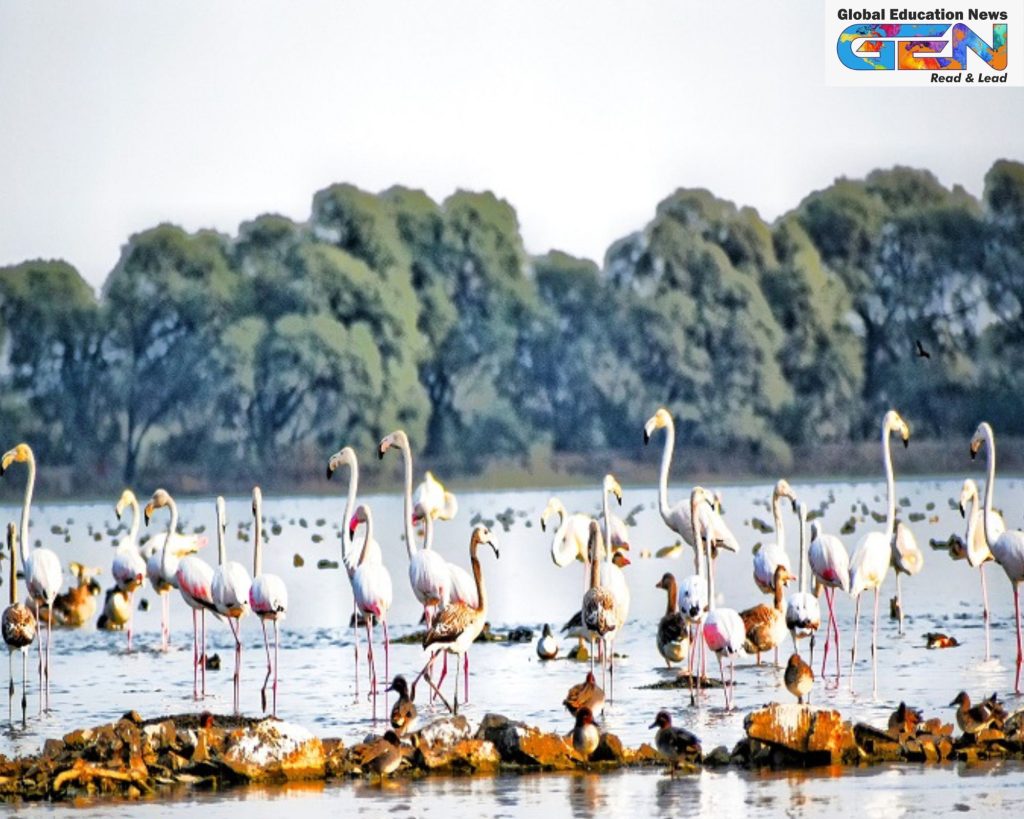
India’s environmental legacy just got richer! On June 5, 2025, the Union Environment Ministry announced the designation of Kichan and Menar wetlands in Rajasthan as Ramsar sites, bringing India’s total to 91—the highest in Asia and third globally. These wetlands, vibrant hubs of biodiversity and community-led conservation, are redefining India’s commitment to the Ramsar Convention of 1971. From hosting rare migratory birds to supporting local livelihoods, Kichan and Menar are ecological treasures that blend nature, culture, and sustainability. Dive into why these wetlands are making waves in global conservation!
Kichan and Menar: India’s Newest Ramsar Pride
The addition of Kichan (Phalodi) and Menar (Udaipur) to India’s Ramsar roster marks a milestone in wetland conservation. Celebrated on the eve of World Environment Day 2025, this achievement, lauded by Prime Minister Narendra Modi and Union Environment Minister Bhupender Yadav, showcases India’s dedication to preserving its ecological gems. With 1,359,434 hectares across 91 sites, India now leads Asia in Ramsar designations, trailing only the UK (175) and Mexico (142). These wetlands are vital for biodiversity conservation, water purification, and flood control, making them cornerstones of a greener tomorrow.
Key Points:
- Ramsar Milestone: India’s 91 sites make it Asia’s leader and third globally.
- Ecological Powerhouses: Support biodiversity, water cycles, and climate regulation.
- Community-Driven: Local efforts in Rajasthan drive conservation success.
- Global Recognition: Aligns with the Ramsar Convention’s 1971 goals.
Menar Wetland: A Monsoon Haven for Birds
Nestled on the Udaipur-Chittorgarh road, Menar Wetland is a freshwater monsoon complex comprising three ponds—Braham Talab, Dhand Talab, and Kheroda Talab. When monsoon rains flood the surrounding farmland, Menar transforms into a paradise for over 200 bird species, including the critically endangered white-rumped vulture and long-billed vulture. Recognized as an Important Bird and Biodiversity Area (IBA) in 2016, Menar’s Ramsar status, earned in June 2025, highlights its role along the Central Asian Flyway. The local Menaria community’s ban on hunting and fishing has made it a model of community-led conservation.
Key Points:
- Monsoon Magic: Flooded farmlands create habitats for migratory birds.
- Biodiversity Hotspot: Hosts rare vultures, herons, and spot-billed ducks.
- Community Guardians: Villagers prevent poaching, ensuring wildlife safety.
- Eco-Tourism Boost: Attracts birdwatchers, enhancing local livelihoods.
Kichan Wetland: Desert Oasis for Demoiselle Cranes
Located in the arid northern Thar Desert, Kichan Wetland in Phalodi is a seasonal marvel formed by Ratri Nadi (river) and Vijaysagar Talab (pond). Famous for its winter gatherings of demoiselle cranes (locally called Kurjan), Kichan supports over 150 bird species and drought-resistant plants like mango trees hosting Indian flying foxes. Its Ramsar designation underscores its role as a critical stop on the Central Asian Flyway, drawing researchers and tourists alike. The local community’s conservation efforts, including anti-poaching patrols, make Kichan a shining example of grassroots environmentalism.
Key Points:
- Crane Capital: Known for thousands of demoiselle cranes each winter.
- Desert Ecosystem: Supports 150+ bird species and unique flora.
- Community Efforts: Locals protect wildlife, boosting conservation.
- Tourism Magnet: Draws birdwatchers and researchers to Phalodi.
Community Power: The Heart of Conservation
The success of Kichan and Menar lies in their community-driven conservation. In Menar, villagers have safeguarded the wetland since the 19th century, patrolling to prevent poaching and rescuing injured birds. Kichan’s residents uphold traditions protecting demoiselle cranes, fostering a culture of coexistence with nature. These efforts align with India’s ethos of living in harmony with the environment, as highlighted by PM Modi. The Ramsar tag amplifies these initiatives, ensuring funding and global support for sustainable practices.
Key Points:
- Local Heroes: Villagers in Menar and Kichan lead anti-poaching efforts.
- Cultural Roots: Conservation tied to India’s nature-centric traditions.
- Global Support: Ramsar status unlocks funding and expertise.
- Sustainable Model: Community involvement ensures long-term protection.
Ecological Significance: Why These Wetlands Matter
Kichan and Menar are more than scenic spots—they’re biodiversity powerhouses. Menar supports vulnerable species like the common pochard and endangered spotted pond turtle, while Kichan hosts near-threatened species like the black-tailed godwit. Both wetlands regulate water cycles, purify water, and mitigate floods, providing ecosystem services worth millions annually. Their Ramsar status enhances protection, promotes eco-tourism, and supports research, ensuring these habitats thrive for future generations.
Key Points:
- Biodiversity Boost: Home to rare birds, turtles, and bats.
- Ecosystem Services: Water purification, flood control, and carbon storage.
- Eco-Tourism Growth: Attracts visitors, boosting local economies.
- Research Hub: Supports studies on migratory birds and wetland ecology.
India’s Ramsar Journey: Leading Asia’s Conservation
India’s rise to 91 Ramsar sites, covering 1,359,434 hectares, reflects its commitment to the Ramsar Convention, signed in 1971 and joined by India in 1982. Starting with Chilika Lake and Keoladeo National Park, India now ranks third globally, with Tamil Nadu (20 sites) and Uttar Pradesh (10 sites) leading domestically. The National Wetland Conservation Programme (NWCP) and Mission Sahabhagita drive these efforts, ensuring wetlands like Kichan and Menar support global biodiversity goals and local livelihoods.
Key Points:
- Asia’s Leader: India surpasses all Asian nations with 91 sites.
- Global Rank: Third worldwide, behind UK (175) and Mexico (142).
- Policy Push: NWCP and Mission Sahabhagita fuel conservation.
- Cultural Connect: Wetlands like Menar reflect India’s nature reverence.
Tips for Engaging with Ramsar Sites
Want to support or explore Kichan and Menar wetlands? Here’s how to get involved:
- Visit Responsibly: Plan eco-tourism trips to Menar or Kichan for birdwatching.
- Support Conservation: Join local groups or donate to wetland preservation efforts.
- Spread Awareness: Share the importance of Ramsar sites on social media.
- Check Updates: Visit ncte.gov.in or follow MoEFCC for the latest on India’s wetlands.
Key Points:
- Eco-Tourism: Experience biodiversity while supporting local economies.
- Community Support: Back grassroots efforts through volunteering.
- Stay Informed: Follow MoEFCC for updates on new Ramsar sites.
- Advocate: Promote wetland conservation in your community.
Challenges and the Path Forward
Despite their Ramsar status, Kichan and Menar face threats like pollution, urban encroachment, and climate change. The Montreux Record, which includes India’s Keoladeo National Park and Loktak Lake, highlights the need for vigilant monitoring. Scaling up community efforts, enforcing Wetlands Rules 2017, and addressing pollution (e.g., open defecation) are critical. India aims to hit 100 Ramsar sites by year-end, with more funding and awareness needed to sustain these ecosystems.
Key Points:
- Threats: Pollution and urban growth endanger wetland ecosystems.
- Monitoring: Montreux Record underscores need for protection.
- Policy Support: Wetlands Rules 2017 ensure legal safeguards.
- Future Goal: India targets 100 Ramsar sites by 2025 end.