Published on October 29 , 2025
Delhi, India
In a dramatic turn that’s shaking up Kerala’s political landscape, the state government has slammed the brakes on the Pradhan Mantri Schools for Rising India (PM SHRI) scheme. Announced just days after initial commitments, this freeze comes hot on the heels of vehement protests from the Communist Party of India (CPI), a cornerstone ally in the ruling Left Democratic Front (LDF). Chief Minister Pinarayi Vijayan’s administration is now racing to mend fences while safeguarding the state’s hard-won control over education.
- Immediate Action: All implementation steps, including school selections and fund allocations, are on hold indefinitely.
- Trigger Event: Four CPI ministers boycotted a key cabinet meeting, escalating demands for a full review of the scheme’s memorandum of understanding (MoU).
- Government Response: A seven-member cabinet subcommittee, led by senior officials, will scrutinize every clause, with no progress until its report lands.
- Diplomatic Outreach: Kerala plans to fire off a formal letter to the Union government, demanding tweaks to “unacceptable” provisions that clash with state priorities.
This isn’t just bureaucratic foot-dragging—it’s a high-stakes standoff over who calls the shots in India’s classrooms, blending ideology with realpolitik in the nation’s most literate state.
CPI’s Thunderous Objections: Fears of NEP Sneaking In Through the Backdoor
At the heart of the uproar is the CPI’s unyielding stance that the PM SHRI initiative is a Trojan horse for the controversial National Education Policy (NEP) 2020. Long-time critics of centralization, the party argues the scheme risks “communalizing, centralizing, and commercializing” public education, eroding Kerala’s progressive model that’s long championed equity and access.
- Core Grievances: The MoU was inked without cabinet or coalition buy-in, bypassing democratic checks and potentially locking states into rigid guidelines.
- Ministerial Revolt: CPI heavyweights like K Rajan, P Prasad, G R Anil Kumar, and J Chinchurani skipped the meeting, insisting on public transparency—including releasing the freeze letter to the Centre.
- Broader Ideology Clash: CPI leaders decry the scheme as undermining federalism, with whispers of it prioritizing privatization over public good.
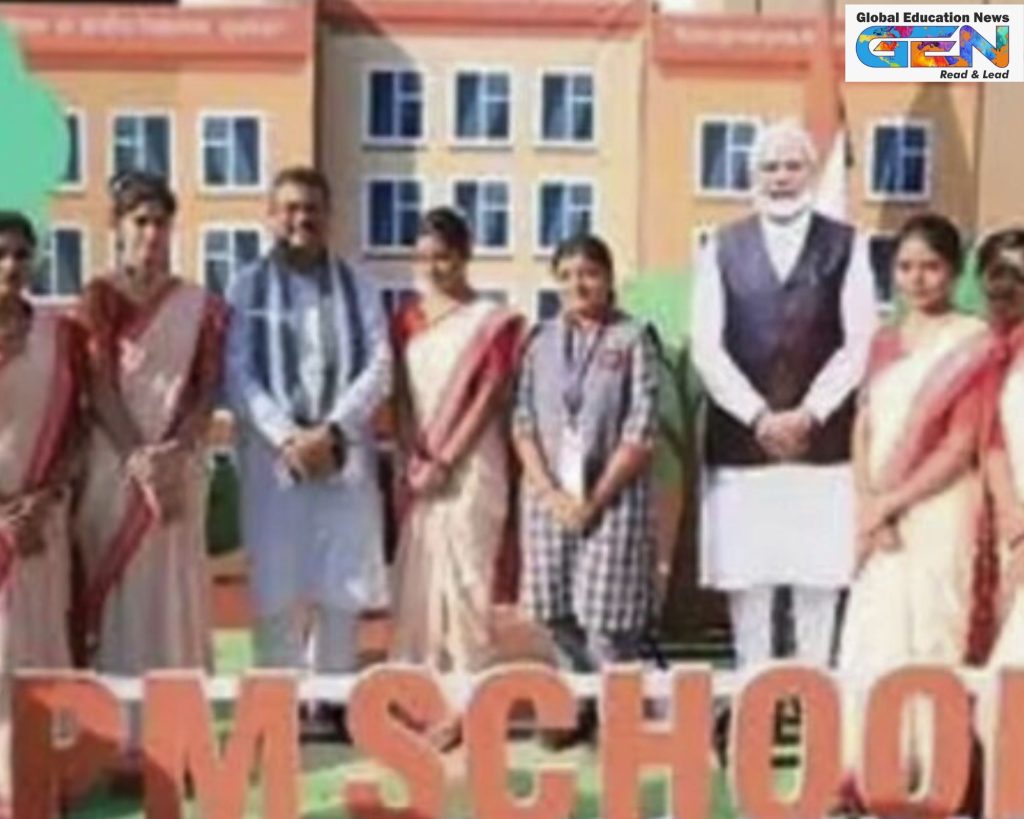
- Counter from the Centre: Union Minister of State George Kurian has fired back, insisting PM SHRI imposes no central syllabus or policy—it’s purely about upgrading infrastructure for 14,500 schools nationwide.
The boycott sent shockwaves through the LDF, marking one of the deepest fissures since the coalition’s 2016 takeover. Yet, it’s also a rallying cry for left-leaning forces wary of any whiff of saffron-tinged reforms.
Behind-the-Scenes Drama: Failed Talks and a Fragile Truce
The freeze didn’t happen in a vacuum—it’s the fallout from frantic, fruitless negotiations that exposed raw nerves in Kerala’s left ecosystem. Chief Minister Vijayan huddled with CPI state secretary Binoy Viswam and his ministers, but consensus slipped away like sand. A parallel CPI(M) secretariat huddle at the iconic AKG Centre, attended by top brass including M A Baby and M V Govindan, hashed out the path forward without fanfare.
- Sticking Points: Withdrawal isn’t straightforward; the signed MoU could trigger fund clawbacks under scheme rules, leaving Kerala in a financial bind.
- Resolution Roadmap: The subcommittee’s formation is a olive branch, buying time while CPI ministers return to the fold for upcoming meetings.
- High-Level Mobilization: LDF convener T P Ramakrishnan is spearheading unity drives, framing the rift as a “family disagreement” over shared socialist values.
- No Official Word Yet: While leaks abound, the government is holding its cards close, eyeing a calibrated announcement to calm allies and critics alike.
Insiders hint at a temporary thaw, but the episode underscores how education—once a left bastion—has become a battleground for autonomy versus alignment.
What’s at Stake: Ripples for Kerala’s Schools and National Politics
This PM SHRI freeze isn’t isolated; it’s a microcosm of federal tensions playing out across India, where states like Kerala guard their educational sovereignty like a fortress. With the scheme aiming to transform 500 schools in the state into model hubs, the pause raises big questions: Will it delay upgrades for under-resourced institutions? Could it embolden other opposition-ruled states to push back on central initiatives?
- Educational Impact: Delays could stall infrastructure boosts, teacher training, and tech integrations meant to align with global standards—potentially widening urban-rural gaps.
- Political Fallout: The LDF’s unity is tested ahead of local polls, with CPI’s assertiveness signaling a shift in coalition dynamics; CPI(M) concedes ground to avoid a full-blown crisis.
- National Echoes: As more states eye PM SHRI, Kerala’s gambit spotlights debates on NEP’s rollout, federal overreach, and the balance between funding and freedom.
- Path Forward: If the panel recommends tweaks or an exit, it could redefine state-Centre pacts, inspiring a blueprint for collaborative reforms without strings attached.
In Kerala’s story, education isn’t just policy—it’s identity. As the subcommittee deliberates, all eyes are on whether this rift heals or heralds deeper divides. For students, parents, and policymakers, the real lesson? In the classroom of democracy, no one’s syllabus is set in stone.