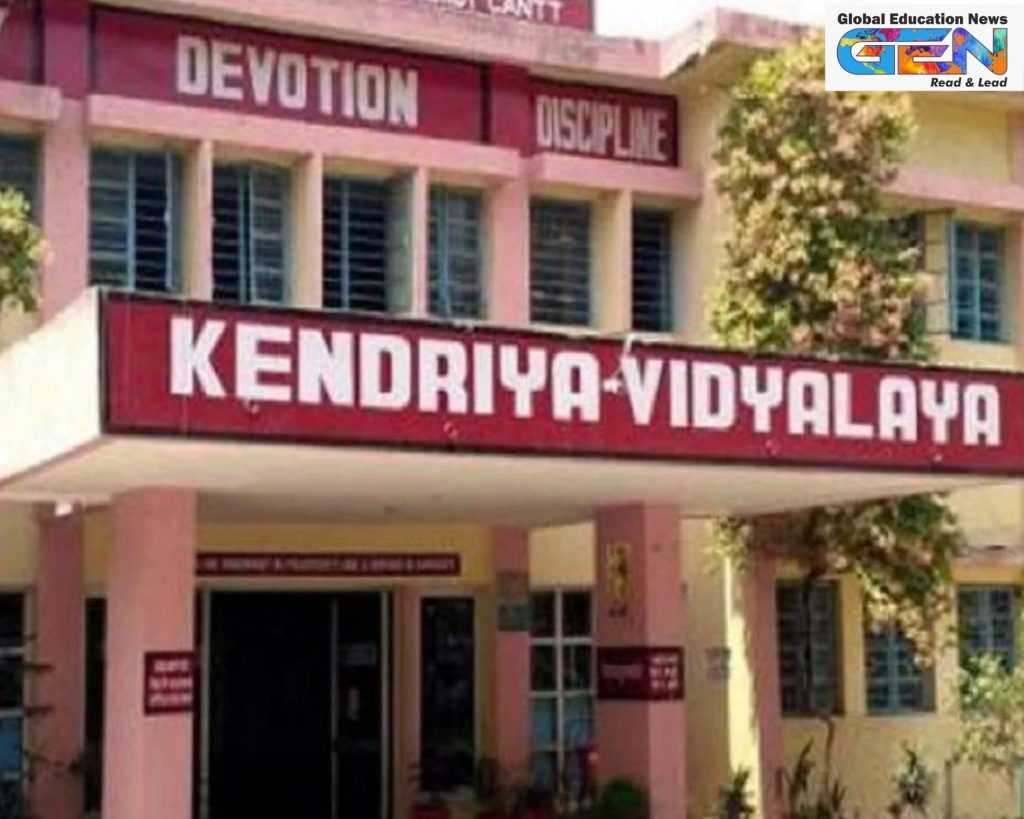
Kendriya Vidyalayas (KVs), renowned for their uniform curriculum and accessibility, have been a cornerstone of education for children of transferable Central Government employees. However, a recent Ministry of Education report presented in the Lok Sabha reveals a concerning drop in student enrollment. Alongside this, the government has announced plans to open 85 new KVs by December 2024, signaling a commitment to expand access despite challenges.
- Key Points:
- Enrollment in KVs has declined by 2.86% from 2020–21 to 2024–25.
- The government is investing ₹5,872.08 crore to establish new KVs.
- KVs remain vital for providing quality education to over 13 lakh students.
Enrollment Decline: A Growing Concern
The Lok Sabha report highlights a significant drop in KV admissions over the past five years. From 13,87,763 students in 2020–21, the total enrollment fell to 13,50,518 in 2024–25, a decrease of 37,245 students. New student admissions have also seen a sharp decline, dropping from 1,95,081 in 2020–21 to a five-year low of 1,39,660 in 2024–25.
- Key Points:
- Highest enrollment was in 2021–22 with 14,29,434 students.
- New admissions dropped by over 55,000 students since 2020–21.
- A decline of 39,042 students was recorded between 2023–24 and 2024–25.
Why Are KV Admissions Falling?
Several factors may be contributing to the declining enrollment in Kendriya Vidyalayas. The rise of private schools with modern facilities, limited seat availability in KVs, and evolving parental preferences for specialized curricula could be driving families away. Addressing these challenges is crucial to maintaining KVs’ relevance.
- Key Points:
- Competition from private schools offering advanced facilities.
- Potential logistical issues, such as limited seats or accessibility.
- Need for curriculum updates to meet modern educational demands.
Government’s Expansion Plans: 85 New KVs by 2024
To bolster the KV network, the Government of India has approved the establishment of 85 new Kendriya Vidyalayas under the civil and defence sectors, with an estimated budget of ₹5,872.08 crore. Additionally, an existing KV in Shivamogga, Karnataka, will expand with two extra sections per class.
- Key Points:
- New KVs will cater to children of transferable Central Government employees.
- Proposals require land and temporary accommodation as per norms.
- Approval process ensures strategic placement of new schools.
The Unique Role of Kendriya Vidyalayas
KVs are designed to serve children of transferable employees in defence, paramilitary forces, public sector undertakings, and central institutes. Their uniform curriculum ensures educational continuity for students relocating across India, making them a lifeline for mobile families.
- Key Points:
- 1,280 KVs currently serve over 13 lakh students nationwide.
- Uniform curriculum supports seamless transitions for students.
- KVs prioritize affordability and quality education.
Looking Ahead: Reviving KV Enrollment
The decline in KV enrollment calls for proactive measures. Modernizing infrastructure, enhancing outreach to eligible families, and updating curricula could help reverse the trend. The government’s expansion plans are a step forward, but sustained efforts are needed to ensure KVs remain a top choice.
- Key Points:
- Modernizing facilities to compete with private schools.
- Increasing awareness of KV benefits, like affordability and quality.
- Strategic outreach to boost enrollment among eligible families.
Conclusion: Balancing Challenges and Opportunities
Kendriya Vidyalayas remain a vital part of India’s education system, offering quality education to millions. However, the recent enrollment decline highlights the need for innovation and adaptation. With 85 new schools on the horizon, the government is taking bold steps to strengthen KVs, but addressing the root causes of falling admissions will be key to their continued success.