Published on October 17, 2025
Delhi, India
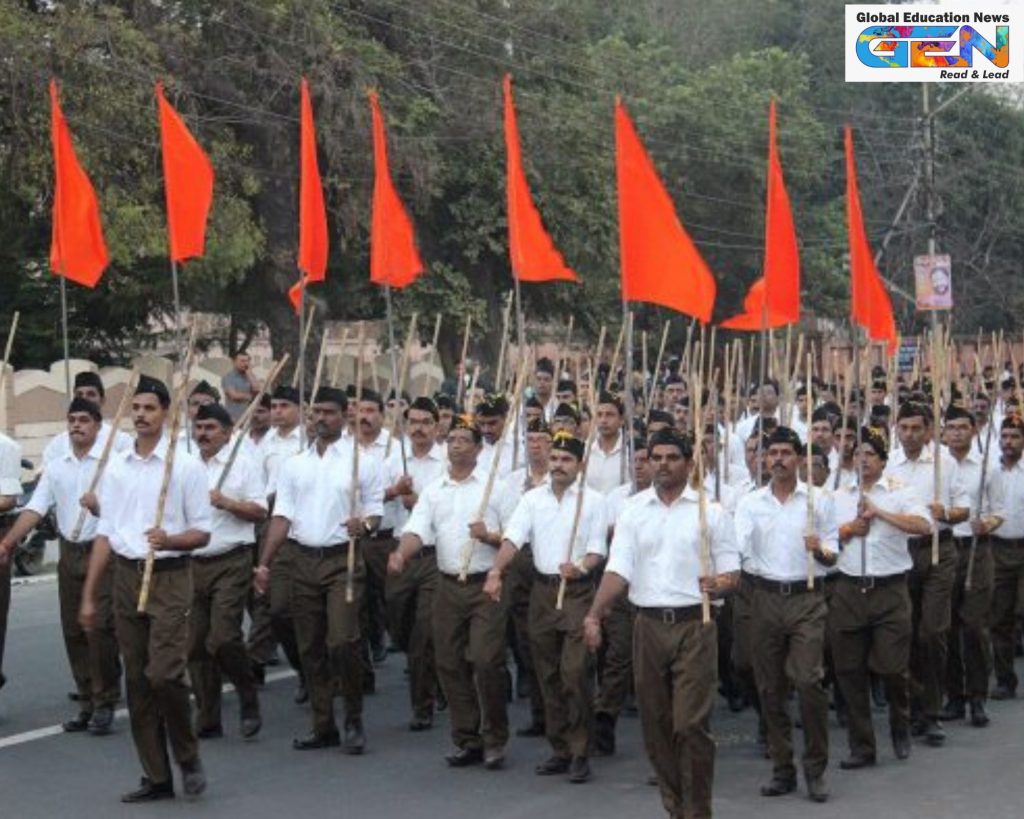
The Karnataka Cabinet on October 16, 2025, approved sweeping regulations to rein in activities by private organizations, including the Rashtriya Swayamsevak Sangh (RSS), on government school and college premises. Sparked by IT and Biotechnology Minister Priyank Kharge’s call for a ban, the move consolidates past directives into a unified Government Order (G.O.) via the Home Department, set for rollout within 2-3 days. Amid rising political temperatures, this initiative—framed as a neutral safeguard for Karnataka public premises regulations 2025—seeks to prevent unauthorized events like RSS shakhas (branches) or patha sanchalanas (marches), ensuring schools remain havens for learning, not ideology. As the Congress-led administration counters BJP-era precedents, the debate rages: Is this a win for constitutional order or a targeted clampdown on cultural volunteers? With implications rippling from Bengaluru classrooms to state-wide unity, here’s the full breakdown.
Background and Rationale
Karnataka’s educational landscape has long balanced community engagement with institutional sanctity, but recent complaints over unapproved gatherings in schools tipped the scales. The catalyst: Kharge’s letter to Chief Minister Siddaramaiah, flagging RSS activities as antithetical to India’s secular fabric and constitutional ethos. This isn’t isolated—newspaper reports highlighted trespasses and disruptions, echoing broader national tensions where ideological drills spill into public turf.
- Historical Precedent: The 2013 circular under BJP’s Jagadish Shettar regime explicitly barred non-educational events from school grounds, issued after a private function request at Bengaluru’s Fort High School. It mandated premises for “syllabus-related activities, extra-curricular programs, sports, physical education, and student exercises only.”
- Policy Evolution: Previous orders from Home, Law, and Education Departments existed but lacked teeth—vague on permissions and enforcement. The 2025 G.O. addresses this, applying universally to “frequent violators” without naming groups, amid NEP 2020’s focus on safe, focused learning environments.
- Broader Context: Aligns with Article 51A’s civic duties and RTE Act’s child-centric mandates, countering misuse of public assets. Yet, it arrives amid BJP’s accusations of Congress leniency toward “anti-national” outfits like PFI, spotlighting selective enforcement debates.
This reform positions Karnataka as a pioneer in RSS activities regulation in schools, blending administrative clarity with political posturing.
Key Developments and Cabinet Decision
The October 16 Cabinet meeting, chaired by Siddaramaiah, greenlit the Home Department’s G.O., directing immediate compliance across departments. Expect enforcement by October 19-20, 2025, with detailed parameters for approvals.
| Milestone | Date/Details | Key Actions |
|---|---|---|
| Trigger Letter | Recent (pre-Oct 16, 2025) | Priyank Kharge writes to CM Siddaramaiah, seeking RSS ban in govt institutions/public spaces. |
| Cabinet Approval | October 16, 2025 | Consolidates prior orders; mandates permissions for events; targets trespass prevention. |
| G.O. Rollout | Within 2-3 days (by Oct 19-20) | Home Dept issues comprehensive rules; distributed to all depts for enforcement. |
| Precedent Release | October 17, 2025 | Congress shares 2013 BJP circular on social media to preempt criticism. |
| Enforcement Scope | Immediate | Applies to schools, colleges, aided institutions, roads, public places, even temple-adjacent sites. |
- Approval Parameters: No more “mere intimation”—full govt nod required for marches or stick-waving events; violations lead to stricter oversight.
- Official Stance: Law Minister H.K. Patil emphasized, “This regulates use of public properties… to prevent trespassing in schools and colleges.”
The swift timeline underscores urgency, with no exemptions for ideological or cultural groups.
Details of the Proposed Regulations
The G.O. casts a wide net, prioritizing educational integrity while streamlining permissions for legitimate uses.
- Core Mandates:
- School/College Focus: Premises restricted to academic, sports, and student wellness activities; no private org events without clearance.
- Public Spaces: Roads and govt lands need prior approval for gatherings; patha sanchalanas or drills prohibited sans parameters check.
- Aided Institutions: Same rules apply, ensuring uniformity; Religious Endowment Dept sites treated as public property.
- Permission Process: Applications via designated portals; vetted for lawfulness, non-disruptive nature, and alignment with constitutional values.
- Penalties Framework: Trespass or unauthorized use triggers fines/evictions; repeat offenders face amplified scrutiny.
- Consolidation Element: Merges 2013 Education circular with Home/Law inputs for a “detailed, one-of-its-kind” document.
These Karnataka school premises rules 2025 aim for 100% compliance, freeing resources for NEP-aligned reforms like digital labs.
Reactions from Stakeholders
The announcement ignited a partisan firestorm, with Congress defending neutrality and BJP decrying hypocrisy.
- Congress Perspective: Kharge tweeted the 2013 circular, quipping, “Is the BJP unaware of its own government’s decision? Or, doesn’t this apply to the RSS?” Patil added, “The government did not keep certain people in mind… applicable to those who were violating the most.”
- BJP Counter: Opposition slammed it as a smokescreen for inaction on “Pakistan Zindabad” sloganeers and outfits like PFI, KFD, SDPI. A BJP X post accused Congress of “misleading the public” to mask failures, demanding equal zeal against “seditious” groups.
- RSS Silence: No official response yet, but affiliates may challenge via courts, citing cultural rights under Article 19/26.
- Civil Society Views: Educators hail it for curbing distractions; rights groups warn of overreach, potentially chilling free assembly.
This Karnataka RSS ban schools controversy highlights deepening divides, with social media amplifying echoes.
Implications for Education and Public Spaces
For Karnataka’s 1.2 crore students in govt schools, this could reclaim lost hours—shakhas often eat into playground time, per teacher unions. Broader ripples:
- Educational Gains: Aligns with RTE’s no-detriment clause; boosts focus on holistic development, potentially lifting learning outcomes (Karnataka’s ASER scores lag at 60%).
- Public Order Boost: Curbs ad-hoc marches, enhancing safety in urban hotspots like Bengaluru; aids traffic/police efficiency.
- Political Ramifications: May polarize voters ahead of 2026 polls; tests Congress’s secular credentials against BJP’s Hindutva narrative.
- Equity Angle: Protects marginalized spaces from majoritarian claims; but risks alienating RSS’s 50 lakh+ volunteers, including youth wings.
Long-term: Could inspire similar rules in Kerala/Tamil Nadu, reshaping public premises management India.