Published on November 02 , 2025
Contents
Delhi, India
Overview of the Initiative
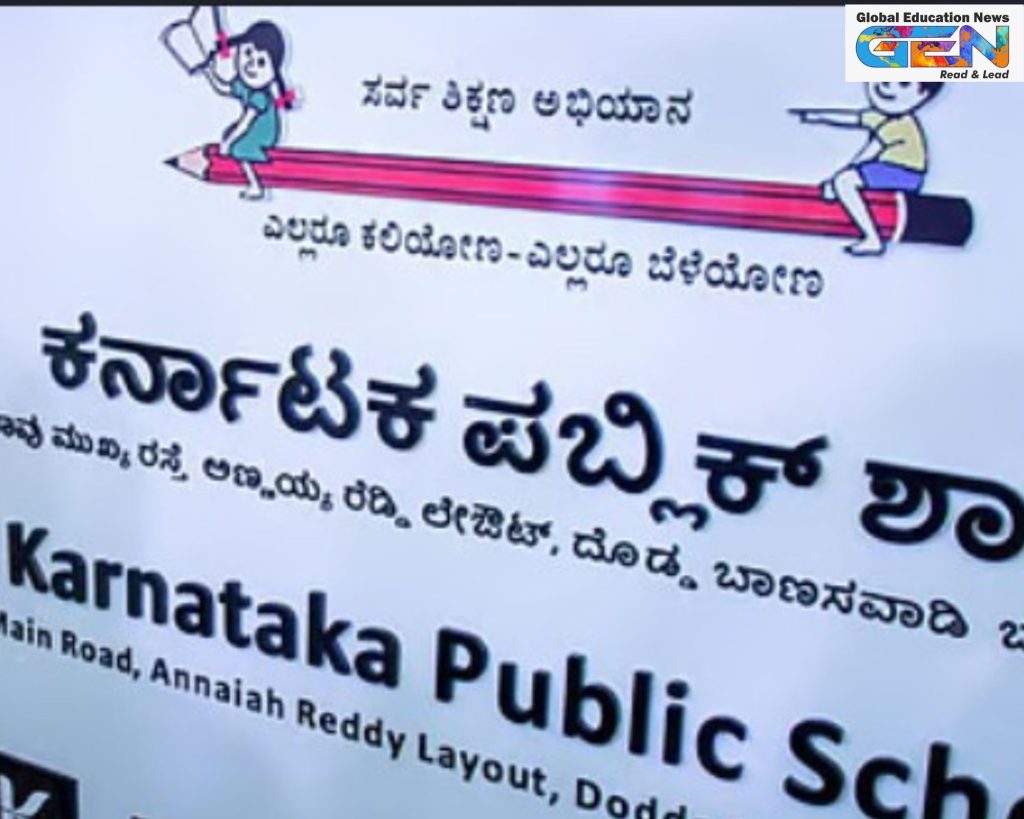
- Karnataka Chief Minister Siddaramaiah announced the upgrade of 900 Kannada and Urdu medium schools into state-of-the-art Karnataka Public Schools (KPS) during Rajyotsava celebrations, emphasizing unity and cultural preservation.
- The move targets 800 Kannada-medium schools and 100 Urdu-medium schools, aiming to boost enrollment and provide bilingual education from pre-primary to Class 12.
- This expansion builds on the success of existing KPS models, which have seen increased student participation in cultural events like Rajyotsava, with over 500 schools initially planned but scaled up due to demand.
- Key focus: Integrating secular education with religious learning, ensuring no child is left behind in a multilingual state rich in linguistic heritage.
Key Announcements on School Upgrades
- Each KPS school will receive approximately Rs 4 crore for infrastructure enhancements, including smart classrooms, digital libraries, and playgrounds to foster holistic development.
- Total investment for the project stands at Rs 2,500 crore, with an additional Rs 483 crore specifically allocated for Urdu school developments to promote equitable access.
- The KPS framework introduces bilingual teaching (Kannada-English) and modern curricula, addressing rural education gaps and preparing students for global opportunities.
- Recent policy updates consolidate administrative structures for better staffing stability and resource allocation, ensuring long-term sustainability.
Integrating Kannada into Madrasas: A Step Toward Inclusivity
- Primary-level Kannada classes have been introduced in 180 madrasas this year, with plans to expand to 1,500 institutions in the coming years and eventually cover all 2,000 madrasas statewide.
- Kannada will become compulsory in madrasas to strengthen communication, foster mutual understanding among communities, and integrate minority education into the mainstream without compromising religious teachings.
- To support implementation, 180 madrasa teachers are undergoing 36-hour training programs to deliver Kannada lessons effectively, with extensions planned for maulvis in mosques.
- This voluntary yet prioritized approach has sparked community enthusiasm, with early adopters reporting improved student engagement and cultural confidence.
Budget Breakdown and Financial Commitments
- Rs 2,500 crore overall for transforming 900 schools, reflecting a Rs 3,000 crore-plus push in recent budgets to construct 350 new KPS facilities in rural areas.
- Rs 483 crore dedicated to Urdu-medium enhancements, ensuring linguistic minorities benefit from upgraded facilities and tech-integrated learning.
- Funding prioritizes high-impact areas like digital tools and teacher development, with provisions for ongoing maintenance to avoid past pitfalls in government school upgrades.
- The initiative aligns with broader fiscal goals, including a Rs 3,200 crore momentum for KPS growth, signaling sustained government backing.
Preparing Kannada for the Digital Age and AI Challenges
- The state is crafting a global Kannada promotion policy to position the language as a tool for modern technology, including AI translations, coding in Kannada, and digital heritage preservation.
- Emphasis on mother tongue education to counter the dominance of English and Hindi, which CM Siddaramaiah argues weakens local languages and critical thinking.
- Future goals include developing AI-ready Kannada resources to safeguard job opportunities, ensuring youth can innovate without language barriers in tech-driven sectors.
- Call to action: Urging the Central government to enact a national law mandating mother tongue instruction up to primary levels for equitable national progress.
Historical and Cultural Context
- Kannada, a 2,000-year-old classical language, honors the 1956 unification movement led by visionaries like Aluru Venkata Rao and Kengal Hanumanthaiah, whose legacy inspires today’s reforms.
- The initiative revives linguistic pride amid debates on language imposition, including a Karnataka High Court petition challenging mandatory policies to protect student choice.
- By blending Kannada with Urdu and religious education, Karnataka aims to celebrate diversity, drawing from global models where mother tongue learning boosts cognitive and cultural growth.
- Tributes during announcements highlight martyrs’ sacrifices, framing the upgrades as a continuation of the fight for a linguistically empowered state.
Challenges and Community Impact
- Potential hurdles include teacher training scalability and balancing compulsory elements with voluntary participation, as noted in ongoing legal discussions.
- Positive early impacts: Rising government school enrollments, enhanced community cohesion, and empowered minority students gaining bilingual proficiency.
- Broader benefits: Strengthened secular education in religious settings, reduced urban-rural divides, and a model for other states on inclusive language reforms.
- Stakeholder feedback underscores the need for monitoring to ensure reforms enhance rather than disrupt existing madrasa ecosystems.