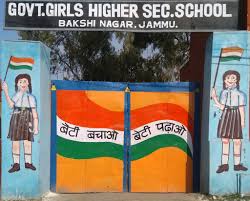
The Jammu and Kashmir administration is taking concrete steps to strengthen its public education system. Education Minister Sakeena Itoo has announced focused efforts to upgrade facilities in government schools while aligning the curriculum with the National Education Policy (NEP) 2020.
This initiative aims to provide modern infrastructure, digital learning tools, and skill-based education to students across the Union Territory, making government schools more attractive and competitive.
Key Announcements by Education Minister Sakeena Itoo
In a recent reply in the Assembly to a question raised by Legislator Khursheed Ahmad Sheikh, Minister Sakeena Itoo stated that the government is making concerted efforts to bolster the educational ecosystem.
The primary focus remains on ensuring all necessary facilities in government-run schools. She emphasised that curriculum reforms and infrastructure upgrades will be implemented in a phased manner, depending on the availability of resources, trained manpower, and existing infrastructure at each institution.
NEP 2020 Alignment and Curriculum Reforms
The existing school curriculum in J&K is already being aligned with NEP 2020, with special emphasis on:
- Digital literacy
- Multidisciplinary learning
- Vocational education
- Integration of 21st-century skills
Components related to general studies, computer education, digital literacy, and vocational skill-based education have been introduced at different schooling levels. These changes follow the National Curriculum Framework for School Education 2023.
Key features being embedded include critical thinking, creativity, communication, collaboration, problem-solving, and experiential learning. These competencies are being incorporated through curriculum rationalisation, revised pedagogical approaches, and competency-based assessments.
New Subjects and Vocational Education Initiatives
Significant subject-level upgrades have already been rolled out:
- At Higher Secondary Level (Classes 11–12): Computer Science, Information Practices, and IT have been introduced as separate subjects.
- Vocational Education: 15 different trades have been implemented in High and Higher Secondary schools as per NEP recommendations.
- Digital Literacy and Skill Education: Offered as dedicated elective subjects at Secondary and Senior Secondary levels, in addition to cross-curricular integration.
- Artificial Intelligence (AI): Introduction as a subject or discipline is under active consideration.
From the Foundational Stage onwards, domains like digital literacy and skill education are being embedded holistically in line with NEP’s integrated approach.
Teacher Training and Capacity Building
To ensure effective implementation, the department is prioritising teacher orientation and training programmes. Teachers are being equipped to integrate 21st-century skills into daily classroom practices. This includes training on revised pedagogy, competency-based assessment methods, and the use of digital tools for enhanced learning outcomes.
The phased approach ensures that reforms are sustainable and matched with available infrastructure and manpower.
Focus on Infrastructure Upgradation
The government is committed to improving physical and digital infrastructure in government schools to support the new curriculum components. While specific budget details were not disclosed in the recent statement, the emphasis is on providing necessary facilities such as computer labs, smart classrooms, and vocational training setups wherever required.
This infrastructure push is expected to make government schools more appealing to parents and students, potentially improving enrolment and retention rates while reducing the gap with private institutions.
Broader Objectives and Expected Impact
The overarching goal is to create a robust educational ecosystem that prepares students for future challenges. By focusing on digital literacy, vocational skills, and holistic development, J&K aims to produce well-rounded learners equipped with both academic knowledge and practical competencies.
These reforms are particularly significant in a region where government schools serve a large section of the student population. Successful implementation could lead to better board exam results, higher skill acquisition, and improved career readiness among students.
Minister Itoo’s statement highlights the government’s resolve to continuously upgrade facilities and academic standards in public schools.