In a bold move to support global education, Japan is stepping up to offer a lifeline to international students caught in the crossfire of a controversial U.S. policy. On May 28, 2025, Japanese Education Minister Toshiko Abe announced that the Ministry of Education, Culture, Sports, Science and Technology (MEXT) has urged Japanese universities to accept students affected by the U.S. block on Harvard University’s foreign enrollments. With prestigious institutions like the University of Tokyo ready to welcome these scholars, Japan is positioning itself as a hub for ambitious students worldwide. Here’s everything you need to know about this opportunity, how to apply, and why Japan could be your next study-abroad destination in 2025
Why Japan’s Call to Action Matters
- Response to U.S. Policy: The Trump administration’s attempt to block Harvard’s foreign enrollments has left students in limbo, prompting Japan’s swift action.
- Support for Global Talent: Japan aims to ensure “young people with ambition and talent can continue their studies.”
- Top Universities Involved: The University of Tokyo is considering temporary admissions for affected students.
- Regional Trend: Hong Kong and Taiwan are also offering support, signaling a shift in global education options.
The U.S. is a top destination for international students, including over 331,600 Indian students in 2023-24, but recent restrictions have sparked uncertainty. Japan’s proactive response, led by Minister Abe, reflects its commitment to fostering global education. With 336,000 international students hosted in 2024—a 21% increase from pre-pandemic levels—Japan is already a rising star in higher education. This move could open doors for students facing visa revocations or enrollment bans in the U.S.
Fun Fact: The University of Tokyo, ranked among Asia’s top institutions, welcomed 4,658 international students in 2023
What’s Happening in the U.S.?
- Harvard Enrollment Ban: The Trump administration moved to block Harvard from enrolling foreign students, citing issues like anti-Semitism and “woke” ideology.
- Legal Pushback: A U.S. judge suspended the order pending a hearing, but uncertainty remains.
- Visa Revocations: Over 300 foreign students’ visas were revoked by March 2025 under the “Catch and Revoke” program, targeting those linked to campus protests.
- Impact on Students: Indian, Chinese, and other international students face potential deportation or disrupted studies.
The U.S. policy, driven by executive orders and AI-assisted social media reviews, has raised concerns about academic freedom and discrimination. Japan’s initiative offers a timely alternative for students seeking stability and quality education.
Japan’s Plan to Welcome Affected Students
- University Support: MEXT has asked universities to explore measures like temporary admissions or credit transfers.
- University of Tokyo’s Role: Vice President Kaori Hayashi confirmed plans to accept affected students on a temporary basis.
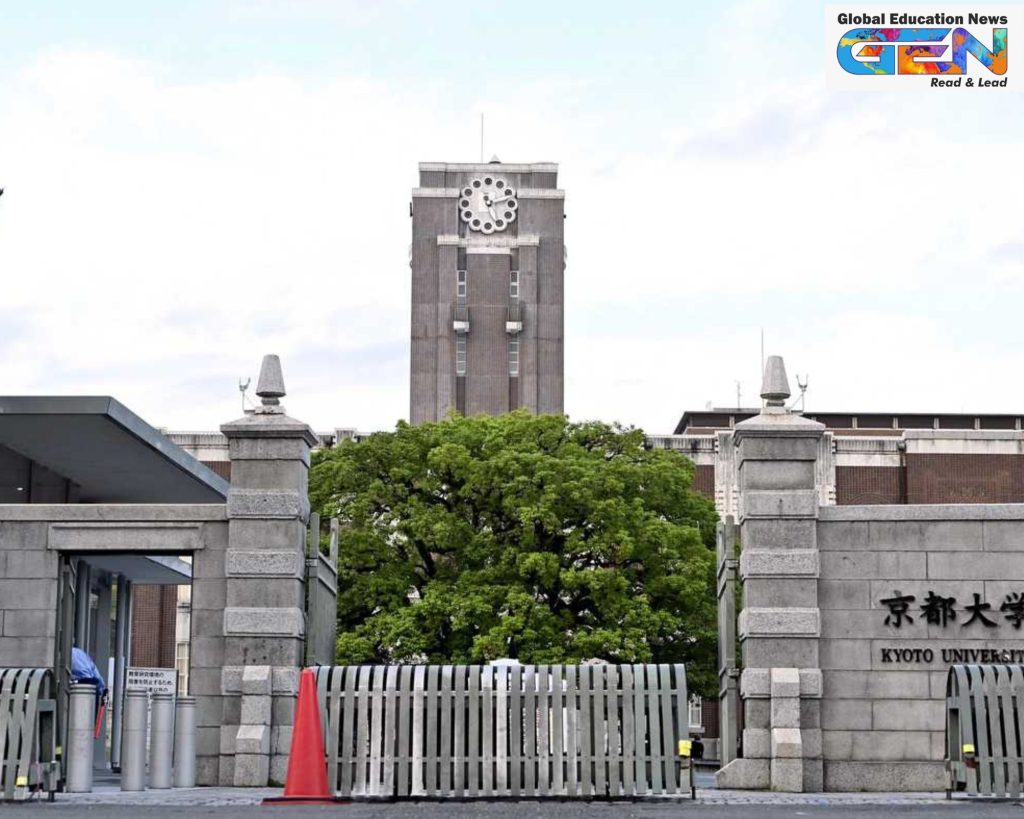
- Kyoto University’s Efforts: Exploring ways to support displaced students and researchers.
- MEXT’s Commitment: Minister Abe emphasized doing the “utmost” to ensure students’ education continues uninterrupted.
Japan’s top universities, including the University of Tokyo and Kyoto University, are known for their excellence in STEM fields (Science, Technology, Engineering, Mathematics) and have produced 13 Nobel Prize laureates at Kyoto alone. The MEXT scholarship, covering Bachelor’s to PhD programs, offers financial support, making Japan an attractive option for Indian and global students.
Why Study in Japan in 2025?
- Affordable Education: Tuition and living costs are lower than in the U.S. or U.K., with BTech programs costing around ₹20 lakh compared to ₹32.5 lakh in the U.S.
- MEXT Scholarships: Cover tuition, living expenses, and travel for eligible students.
- Job Opportunities: Japan’s 125:100 job-openings-to-applicants ratio and permanent residency (PR) offers after three years of work make it a career hotspot.
- World-Class STEM: Programs in AI, robotics, and engineering at institutions like the University of Tokyo rival global leaders.
- Cultural Appeal: Japan’s disciplined, respectful culture and vibrant student life attract students like Shibani Melba, who chose Japan for its hospitality and academic rigor.
Japan’s holistic education philosophy, rooted in the Chi-Toku-Tai approach, blends academic excellence with moral and practical skills, fostering well-rounded graduates. With no GRE or GMAT required for UG admissions (only SAT for engineering), Japan is accessible and appealing.
How to Apply to Japanese Universities
- Entrance Exam: Take the Examination for Japanese University Admission for International Students (EJU), testing Japanese language skills, science, maths, and general knowledge. Offered in English or Japanese at centers like New Delhi.
- MEXT Scholarship: Apply through the Japanese Embassy in India for fully-funded programs (Bachelor’s to PhD).
- Direct Applications: Contact universities like the University of Tokyo or Kyoto University for temporary or full admissions. Check mext.go.jp or university websites.
- Deadlines: Vary by university; apply early for 2025-26 sessions (typically April or September intakes).
- Documents: Class 12 certificates, EJU scores, English/Japanese proficiency (e.g., TOEFL, JLPT), and a valid passport.
Indian students can also explore exchange programs through MoUs between institutions like JNU or IIT Hyderabad and Japanese universities (e.g., Waseda, Tohoku). For affected U.S. students, universities may offer credit transfers or remote learning options in collaboration with Harvard’s contingency plans.
Tips to Seize This Opportunity
- Act Fast: Contact Japanese universities or the embassy to explore temporary admission options for 2025.
- Prepare for EJU: Practice with past papers available at jasso.go.jp to ace the entrance exam.
- Apply for MEXT: Check eligibility at the Japanese Embassy’s website for scholarships covering tuition and living costs.
- Learn Basic Japanese: While many programs offer English courses, basic Japanese (JLPT N5/N4) enhances your experience.
- Stay Updated: Follow mext.go.jp or university portals for admission updates and visa guidelines.
Pro Tip: Reach out to the University of Tokyo’s International Office for guidance on temporary admissions for displaced students!
Challenges to Consider
- Language Barrier: Some programs require Japanese proficiency; check for English-taught courses.
- Temporary Status: Admissions may be short-term, requiring planning for long-term study or transfers.
- Visa Process: Follow Japan’s Immigration-Control Act for student visas; consult mext.go.jp for details.
- U.S. Legal Uncertainty: The Harvard ban’s outcome is pending, so explore Japan as a backup plan.
Despite these challenges, Japan’s supportive policies and growing international student community (over 250,000 in 2023) make it a reliable choice.
Why This is a Golden Opportunity
Japan’s call to action comes at a critical time, with Indian students spending $60 billion annually on overseas education, projected to hit $70 billion in 2025. With U.S. visa revocations and U.K. enrollment drops (20.4% fewer Indian students in 2023-24), Japan offers a cost-effective, high-quality alternative. Programs in AI, robotics, and engineering, combined with MEXT scholarships and PR pathways, make Japan a smart choice for Indian students and others affected by U.S. policies.
Your Next Steps
Japan’s universities are opening their doors to students impacted by the U.S. Harvard ban, offering a chance to study at world-class institutions like the University of Tokyo and Kyoto University. Visit mext.go.jp or jasso.go.jp to explore programs, scholarships, and EJU details. Start preparing for the 2025-26 academic session now—whether you’re an Indian student or part of the 331,600-strong Indian diaspora in the U.S. facing uncertainty. Your academic journey doesn’t have to stop—Japan is ready to help you soar