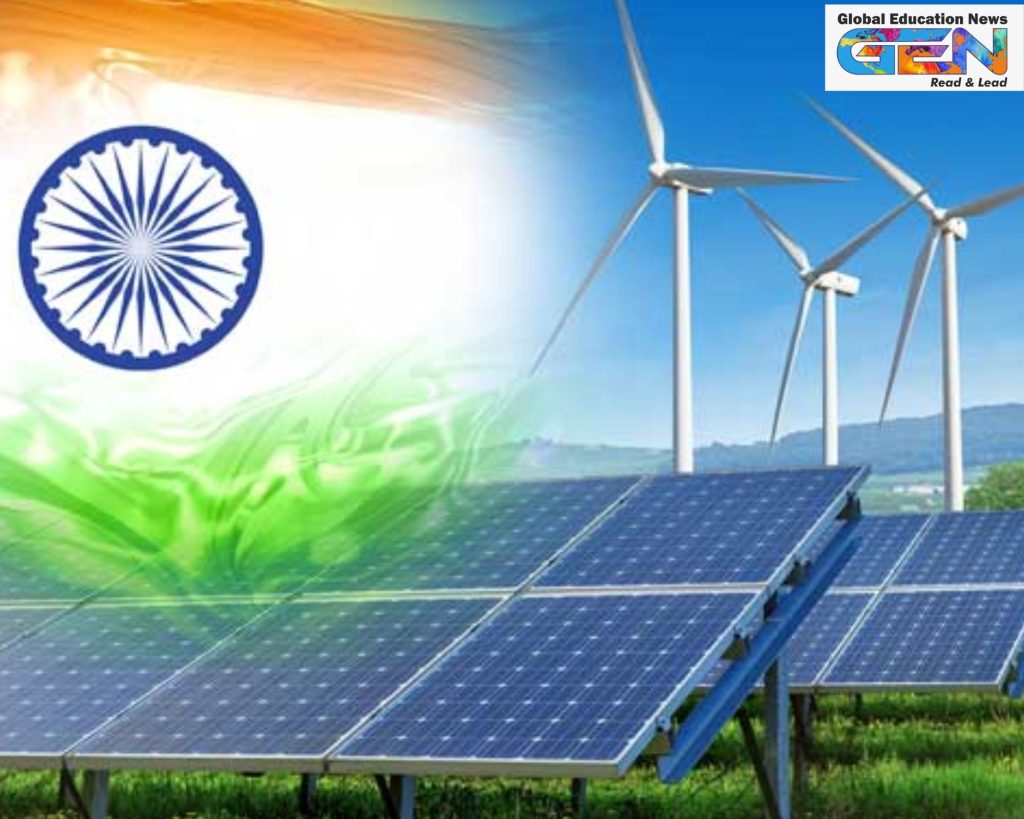
🌱 India’s Renewable Energy Growth: A Snapshot
India has made significant progress in expanding its renewable energy capacity. As of March 2025, the country added a record 25 GW of renewable energy, bringing the total installed capacity to 222.86 GW. This includes:
- Solar Power: 102.57 GW
- Wind Power: 48.59 GW
- Hydropower: 52.07 GW
- Bioenergy: 11.45 GW
- Nuclear Power: 8.18 GW
Despite these impressive figures, renewables accounted for only about 20% of total electricity generation in 2024, indicating a gap between installed capacity and actual generation.
⚠️ Challenges Hindering Renewable Energy Generation
Several factors contribute to the disparity between renewable energy capacity and actual generation:
- Intermittency of Renewable Sources: Solar and wind power are variable and dependent on weather conditions, leading to inconsistent energy supply.
- Limited Energy Storage: Insufficient battery storage capacity hampers the ability to store excess energy generated during peak production times for use during periods of low generation.
- Grid Infrastructure Issues: The existing grid infrastructure is not fully equipped to handle the integration of renewable energy, leading to transmission losses and inefficiencies.
- High Electricity Demand: Rising electricity demand, especially during extreme weather events, increases reliance on fossil fuels to meet the shortfall.
🔋 Energy Storage: The Missing Link
Energy storage is crucial for balancing the supply and demand of electricity. However, India faces challenges in this area:
- Battery Storage: The country relies heavily on imported batteries, which increases costs and limits scalability.
- Pumped Storage: While a potential solution, pumped storage projects are capital-intensive and have long gestation periods.
Without adequate storage solutions, the benefits of renewable energy are diminished, and the grid remains dependent on fossil fuels.
🏭 The Coal Conundrum
Despite the growth in renewable energy, coal remains a dominant source of electricity in India:
- Coal’s Share: As of 2024, coal accounted for approximately 75% of total electricity generation.
- New Coal Projects: Approximately 27 GW of new coal capacity is under construction or in advanced planning stages.
The continued reliance on coal poses challenges to achieving climate goals and transitioning to a sustainable energy mix.
🌍 Future Projections and Global Comparisons
India aims to reduce coal’s share in electricity generation to 17-19% by 2030 and phase out coal power entirely by 2040. Achieving these targets will require substantial international financial support and a concerted effort to scale up renewable energy and storage solutions.
Comparatively, countries like Norway and Switzerland have largely decarbonized their power sectors, serving as models for India’s energy transition.
✅ Conclusion: Navigating the Path to a Sustainable Energy Future
India’s renewable energy sector has made commendable progress, but challenges remain. Addressing issues related to energy storage, grid infrastructure, and the continued reliance on coal is essential for achieving a sustainable and low-carbon energy future. With strategic investments, policy support, and international collaboration, India can overcome these hurdles and lead the way in global renewable energy efforts.