India is pulling out all the stops to expose Pakistan’s role in fueling terrorism, launching an ambitious diplomatic campaign targeting United Nations Security Council (UNSC) members and key global players. With Pakistan holding a non-permanent UNSC seat in 2025-2026, India is seizing the moment to rally international support, particularly with incoming UNSC members like Latvia, Democratic Republic of Congo (DRC), Bahrain, Liberia, and Colombia starting their terms in January 2026. Sparked by the Pahalgam terror attack on April 22, 2025, and India’s retaliatory Operation Sindoor, this multi-pronged outreach aims to isolate Pakistan and reshape global narratives on terrorism. Here’s how India is rewriting the diplomatic playbook!
Why the Push? Pakistan’s UNSC Influence Sparks Urgency
Key Points:
- Pakistan’s UNSC seat (2025-2026) gives it a platform to deflect terrorism accusations.
- India’s Operation Sindoor targeted nine terror sites in Pakistan post-Pahalgam attack.
- UNSC statement on the attack was diluted due to Pakistan and China’s influence.
The Pahalgam attack, which claimed 26 lives, exposed Pakistan’s ties to groups like The Resistance Front (TRF), an offshoot of Lashkar-e-Taiba. Pakistan’s UNSC presence allowed it to block naming TRF in a UNSC statement, frustrating India’s push for accountability. Now, India is countering this by briefing current and incoming UNSC members to ensure they challenge Pakistan’s narrative. Foreign Secretary Vikram Misri emphasized India’s zero-tolerance policy, highlighting that Operation Sindoor struck terror hubs, not civilians, to underscore India’s measured response.
Who’s on India’s Radar? Strategic Country Targets
Key Points:
- UNSC focus: Permanent members (US, UK, France, Russia, excluding China) and non-permanent members like Algeria, Guyana, Denmark, and Greece.
- Incoming 2026 UNSC members: Latvia, DRC, Bahrain, Liberia, Colombia.
- 59 MPs across seven delegations visiting 33 countries, including G7 and BRICS nations.
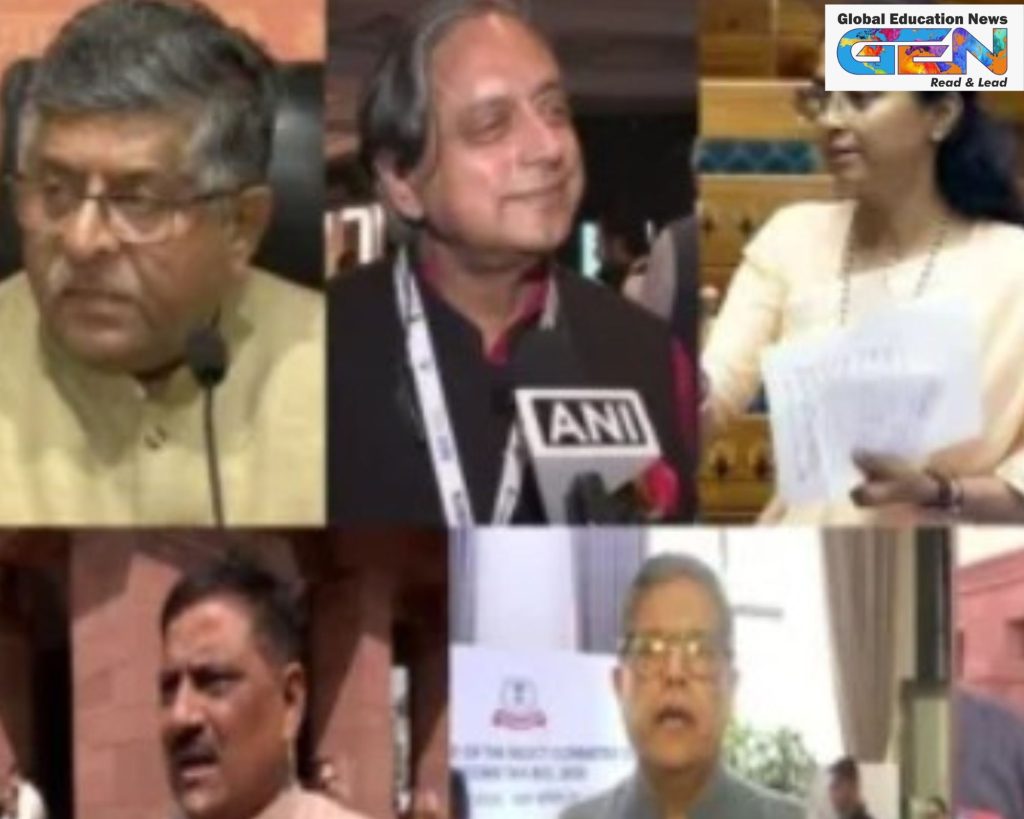
India’s outreach is laser-focused. Delegations led by leaders like Shashi Tharoor (US, Panama, Guyana, Brazil, Colombia), Kanimozhi Karunanidhi (Spain, Greece, Slovenia, Latvia, Russia), and Shrikant Shinde (UAE, Liberia, DRC, Sierra Leone) are hitting key regions. These include permanent UNSC members for global clout, non-permanent members like Algeria (term ending 2025) and Denmark (2025-2026), and incoming 2026 members to shape future UNSC debates. BRICS nations like Brazil and South Africa, and African Union host Ethiopia, are also on the list to build a broad coalition.
Winning Over Muslim-Majority Nations
Key Points:
- Targeting Saudi Arabia, UAE, Qatar, and Bahrain to counter Pakistan’s influence in the OIC.
- India’s ties with Gulf Cooperation Council (GCC) strengthened by PM Modi’s recent visits.
- Algeria and Malaysia included to challenge Pakistan’s regional sway.
India is making bold moves in West Asia and Southeast Asia, engaging Muslim-majority nations traditionally aligned with Pakistan. The OIC issued a Pakistan-backed statement calling Kashmir a “core issue,” which India dismissed as “absurd.” Now, delegations led by Baijayant Panda (Saudi Arabia, Kuwait, Bahrain, Algeria) and Shrikant Shinde (UAE) are leveraging India’s growing ties—bolstered by PM Modi’s visits to Kuwait and Saudi Arabia—to shift perspectives. These nations, part of the GCC, are reassessing ties with Pakistan, giving India a diplomatic edge.
G7, BRICS, and Beyond: Building a Global Coalition
Key Points:
- G7 engagement: Germany, Italy, Japan, and the US for global influence.
- BRICS focus: Brazil, South Africa, and Russia to align emerging economies.
- African Union host Ethiopia and ASEAN chair Malaysia for regional support.
India’s not stopping at the UNSC. G7 countries like Germany and Japan, visited by Ravi Shankar Prasad and Sanjay Jha, are key for economic and diplomatic heft. BRICS members Brazil and South Africa, part of Supriya Sule’s itinerary, align with India’s vision for a multipolar world. Ethiopia, hosting the African Union, and Malaysia, chairing ASEAN in 2025, are strategic picks to amplify India’s anti-terror message in Africa and Southeast Asia. This multi-layered approach ensures India’s voice resonates across global forums.
How It’s Happening: Power-Packed Delegations
Key Points:
- 51 MPs and former diplomats, led by figures like Tharoor, Prasad, and Kanimozhi.
- Meetings with parliaments, think-tanks, media, and heads of state.
- Dossiers on Pakistan’s terror history, including 26/11 and Pathankot, to be shared.
India’s sending a united front with seven all-party delegations, including 31 NDA and 20 opposition MPs, showcasing national consensus. They’ll meet foreign ministers, parliamentarians, and media in countries like the US (Senate Foreign Relations Committee) and EU (Brussels HQ). Armed with dossiers detailing Pakistan’s role in attacks like Mumbai 26/11, the delegations aim to expose Pakistan’s “hollow” probes. Aparajita Sarangi emphasized countering Pakistan’s 19-month UNSC propaganda window.
The Big Goal: Isolating Pakistan Globally
Key Points:
- Build a global coalition to pressure Pakistan on terrorism.
- Counter Pakistan’s Kashmir narrative at the UNSC.
- Strengthen India’s zero-tolerance stance post-Operation Sindoor.
India’s mission is clear: isolate Pakistan and dismantle its “victimhood façade.” The UNSC emergency meeting on the Pahalgam attack saw Pakistan dodge accountability, but India’s outreach scored points as members questioned Pakistan’s terror links. By engaging 33 countries, including African nations with historical Indian ties (e.g., 4,000 Indian troops in Sierra Leone’s UNAMSIL mission), India aims to ensure future UNSC statements reflect its priorities.
Challenges and Criticisms
Key Points:
- China’s support for Pakistan remains a hurdle.
- OIC’s Kashmir stance complicates West Asian outreach.
- Congress’ Jairam Ramesh calls the move “opportunistic.”
Not everyone’s on board. China, a permanent UNSC member, backs Pakistan, diluting India’s efforts. The OIC’s pro-Pakistan statement adds complexity, though India’s growing GCC ties may shift dynamics. At home, Congress’ Jairam Ramesh criticized the campaign as “hypocritical,” arguing BJP’s domestic politics harms India’s global image. Yet, the inclusion of opposition leaders like Tharoor and Kanimozhi signals unity.
What’s Next? A Global Anti-Terror Push
Key Points:
- Delegations depart May 21–25, 2025, covering North America, Africa, Asia, and Europe.
- Results expected by late 2025, ahead of 2026 UNSC term changes.
- Stay updated via mea.gov.in for official announcements.
With delegations hitting the road from May 21, India’s campaign is in full swing. Success hinges on convincing nations like Latvia (new mission in Riga) and DRC (Indian UN peacekeeping presence) to back India’s stance. By June 2025, expect outcomes that could reshape UNSC discussions. Students and parents can track progress on mea.gov.in and engage with X discussions like #OperationSindoor for real-time sentiment. India’s united front is a bold bet—will it redefine the global fight against terrorism?